Summer of 2026 named UK’s hottest on record after five heatwaves
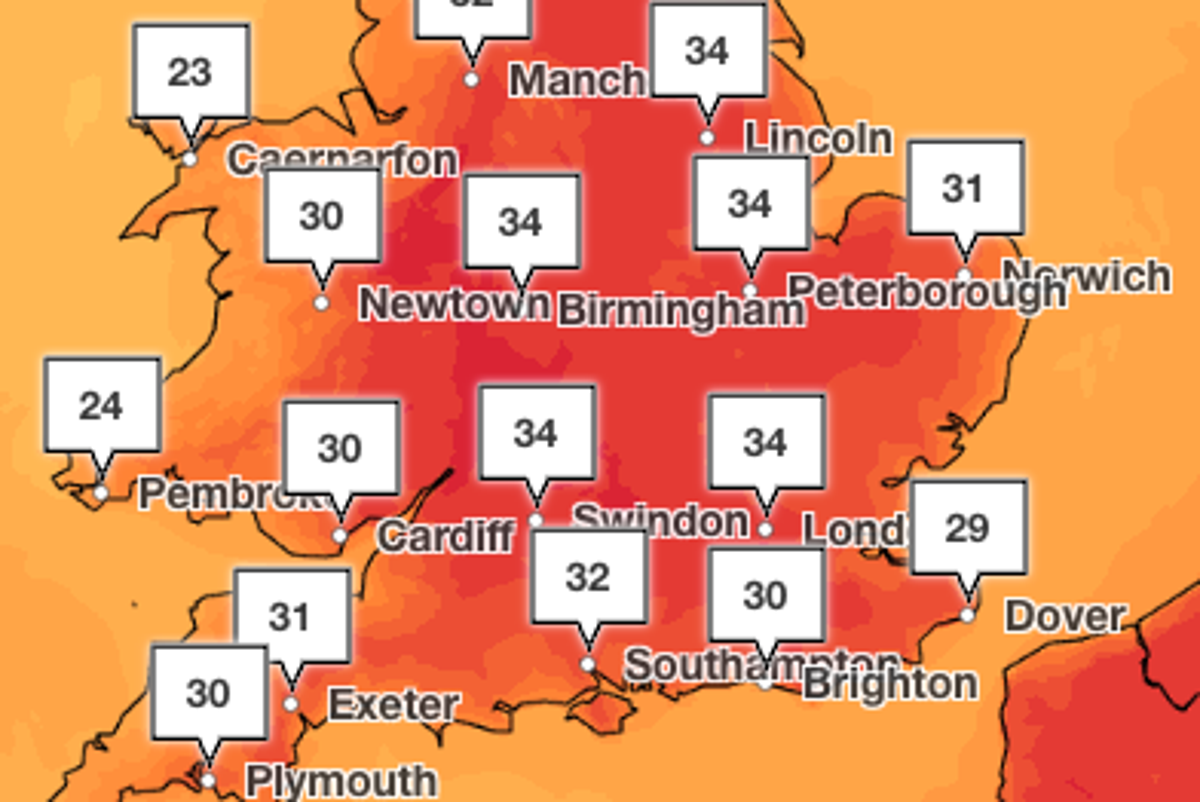
The Met Office has confirmed the UK has provisionally experienced its hottest summer since records began nearly 150 years ago.
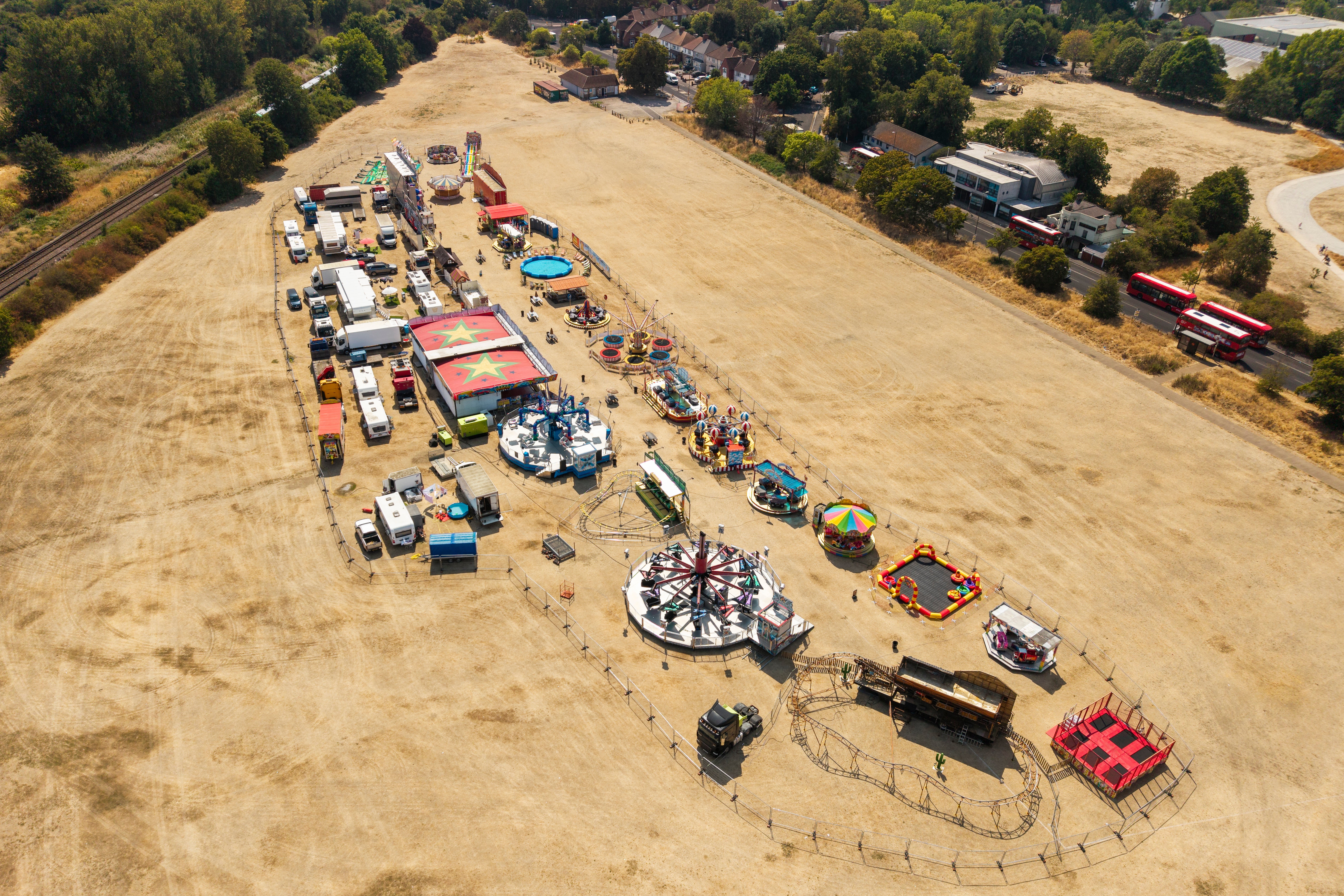
Five heatwaves between May and August left the majority of the country in drought and have sparked wildfires and travel disruption.
The UK recorded a mean average temperature across June, July and August of 16.5C, beating the previous seasonal high of 16.1C set last year, the Met Office said.
The forecaster previously suggested the UK was on course for its hottest summer on record, provided temperatures remained around average for the rest of August, and it is expected the final figures for the month will break the previous record.
Despite a cooler end to August, areas of high pressure have dominated, with dry conditions from continental Europe causing temperatures to rise.
As a result, the Met Office recorded 40 days of temperatures above 30C, breaking the previous record of 34 days.
The highest temperature recorded this summer was on 13 August at Kew Gardens, when the mercury hit 38.1C.
While this did not beat the all-time highest record, which was measured at 40.3C in Lincolnshire in July 2022, several other records were broken, including a temperature of 37C or higher being recorded on three separate days.
Prior to 2026, temperatures of over 37C had only been recorded nine times in the UK – three of which have occurred this year.
The first heatwave in May also broke that month’s temperature record by more than 2C, while parts of the UK experienced a three-week heatwave in July and August.
The national weather service began recording this temperature data for the UK in 1884 and usually confirms its provisional seasonal figures on the first day of the new season.
Summer 2025 was previously the UK’s hottest on record, when the mean average temperature across June, July and August was 16.1C, beating the previous seasonal high of 15.76C set in 2018.
As the first day of meteorological autumn arrived, five flood alerts, meaning flooding is possible, were in place for England, with wet and windy conditions forecast across the North West and in Scotland.
Elsewhere, conditions were drier with only scattered showers expected.
Further into September, forecasters say a period of unsettled weather is likely, but more rain is expected in northern and western areas, while the South and East are more likely to see longer, drier spells.
Most of England and the whole of Wales remain in drought, and experts say conditions will continue to worsen until there is sustained rainfall across the country.
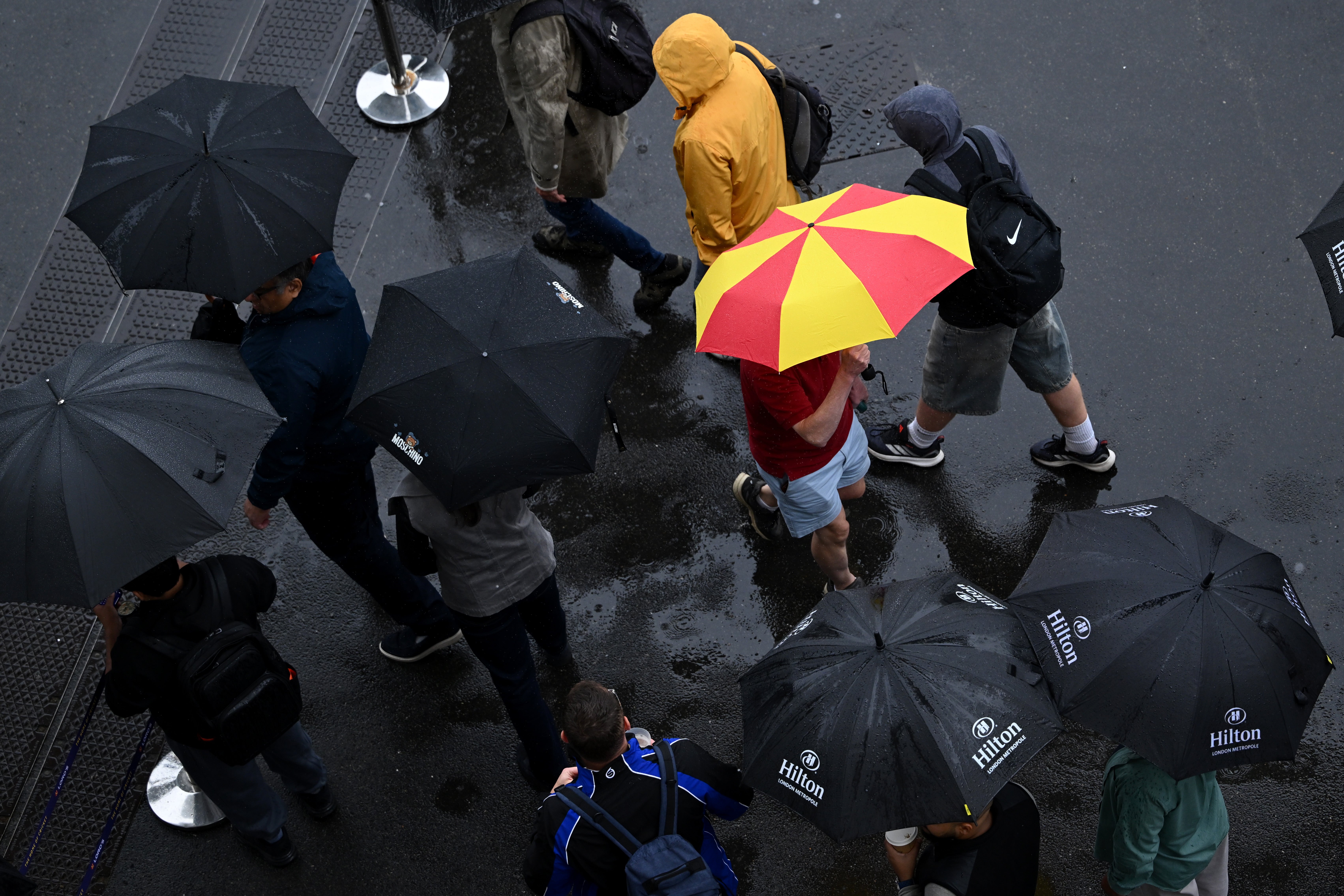
However, the UK is set to experience more storms and rain over the upcoming autumn and winter seasons caused by an “unprecedented” El Niño event, forecasters have warned.
El Niño is declared when sea temperatures in the tropical eastern Pacific rise 0.5C above the long-term average, impacting global rainfall patterns and average temperatures.
The natural warming of sea temperatures is forecast to reach more than 3C in the coming months, making this year’s weather event “the largest since the 19th century”, according to the Met Office.
It creates a heightened risk of drought in the tropics, southern Africa and north-east Australia, while north-western Europe – including the UK – is likely to experience wetter and stormier conditions in the coming autumn and early winter, the forecaster said.
KioskNews shows a cleaned-up reading view extracted from the publisher’s page — the original always lives on their site, not ours.