Why Xi and Takaichi will not repeat the 2014 Apec summit’s China-Japan diplomatic thaw
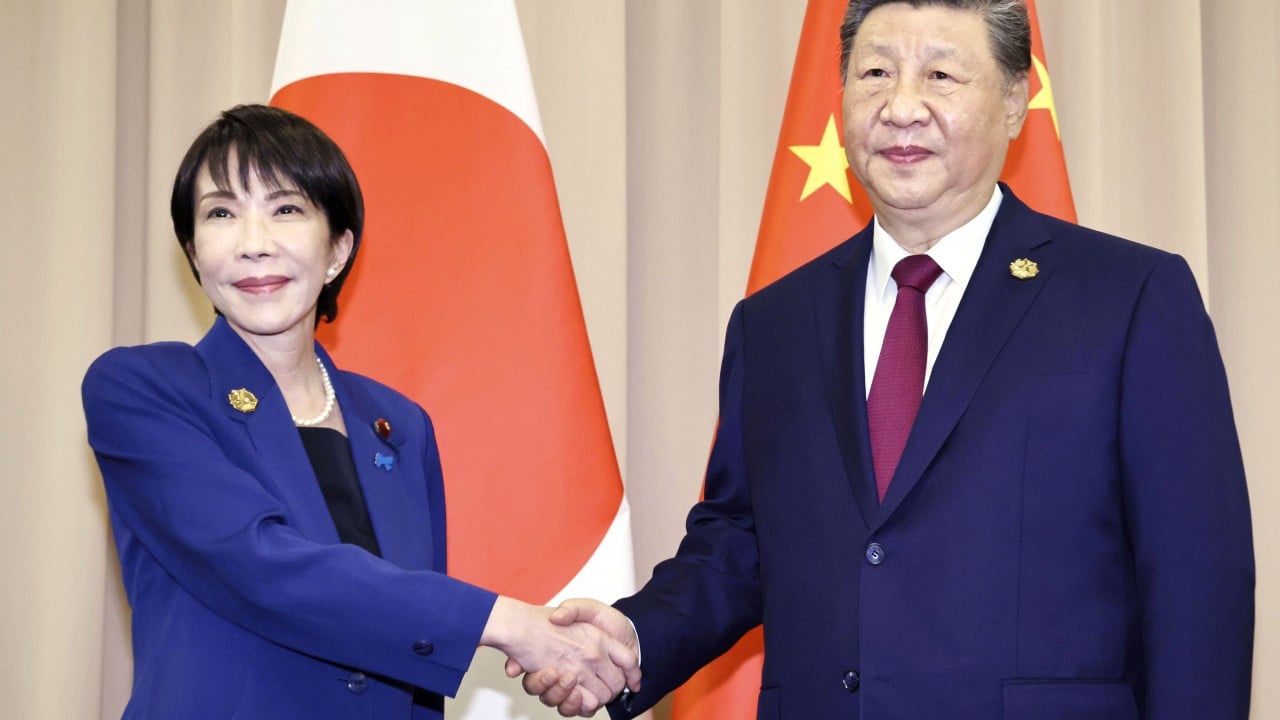
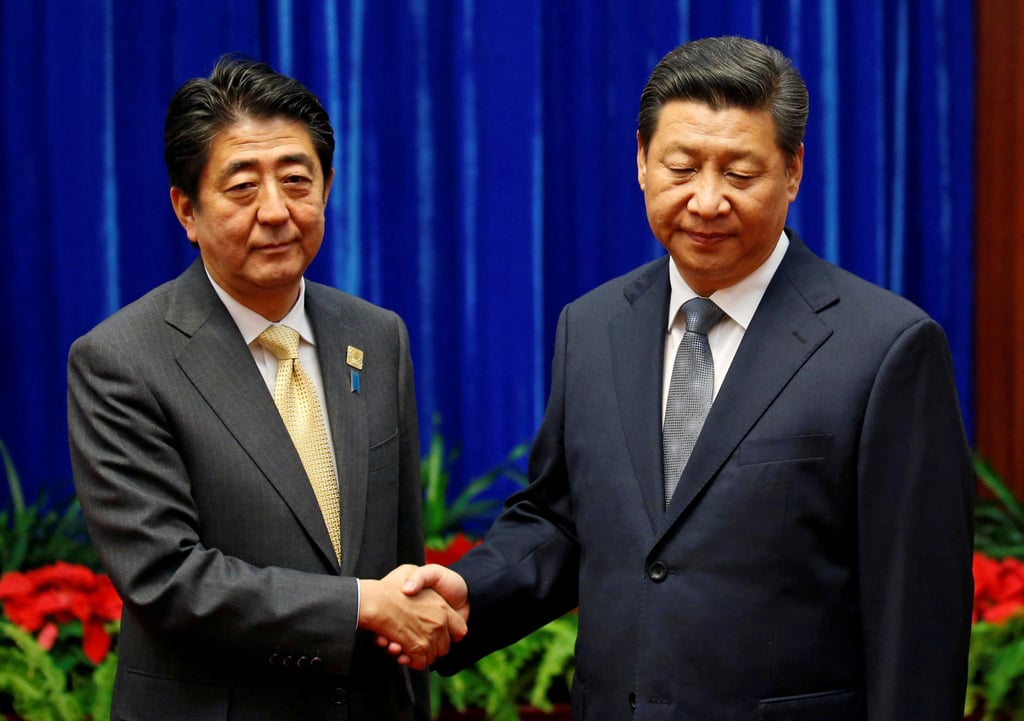
In November 2014, two years after a bitter dispute over a handful of uninhabited islands pushed ties to historic lows, Chinese President Xi Jinping and then Japanese prime minister Shinzo Abe shared an uneasy, hard-won handshake ahead of a bilateral meeting on the margins of the Apec summit in Beijing.
Twelve years on, as China prepares to host the Asia-Pacific Economic Cooperation forum in its southern tech hub of Shenzhen, history is unlikely to repeat itself.
Sources told the South China Morning Post that while Xi and Japanese Prime Minister Sanae Takaichi could shake hands, they were unlikely to meet on the summit’s sidelines, laying bare how her remarks on Taiwan have plunged Asia’s two largest economies into a protracted diplomatic deep freeze.
Asked last week if the two leaders would meet, foreign ministry spokesman Guo Jiakun simply said that China would work with all parties to make the forum a success.
Relations soured sharply in November last year, after Takaichi said that a conflict in the Taiwan Strait could require Japan to intervene in self-defence.
Beijing sees Taiwan as part of China to be reunited by force if necessary. Most countries, including the United States and its treaty ally Japan, do not recognise Taiwan as an independent state, but Washington is opposed to any attempt to take the self-ruled island by force and is committed to supplying it with weapons.
The impasse stands in stark contrast to 2014, when Beijing and Tokyo forged a diplomatic breakthrough and made the Xi-Abe meeting happen.
Ties were rocky after Tokyo’s 2012 move to nationalise the Diaoyu Islands in the East China Sea – known as the Senkaku Islands in Japan – triggered widespread anti-Japan demonstrations across China. Abe’s 2013 visit to Tokyo’s controversial Yasukuni Shrine, which honours several convicted World War II criminals alongside Japan’s fallen soldiers, further deepened the rift.
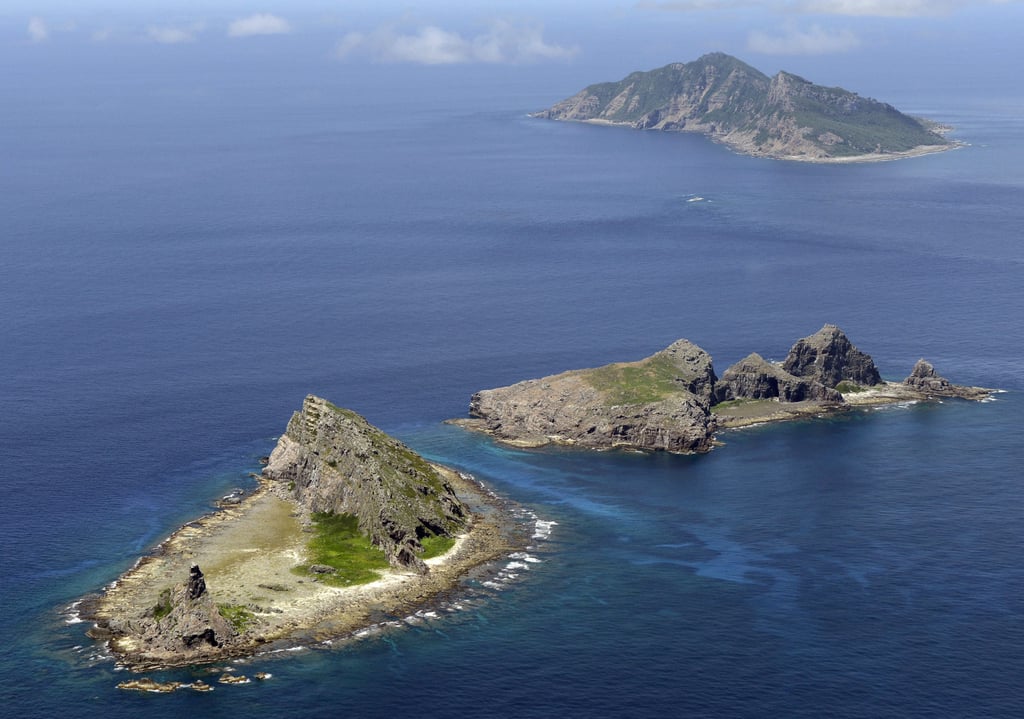
Yet, months of behind-the-scenes diplomacy culminated in the “four-point principled consensus”, in which the two sides acknowledged their different stances on maritime tensions and agreed to build dialogue and crisis management mechanisms, paving the way for their leaders to meet.
Toru Horiuchi, a China-Japan relations expert at the Chinese University of Hong Kong, said the 2014 breakthrough was possible because the two sides agreed to disagree over the disputed islands, using deliberately ambiguous wording that allowed each nation to defend its position. But such diplomatic leeway would be far harder to achieve over Taiwan.
“Even if the two governments are currently engaging in negotiations before the Apec summit, they may not be able to reach an agreement, given the extremely sensitive nature of the Taiwan issue for China.”
He added that this outcome implied the two sides “may not even be able to reach a face-saving agreement” over the Taiwan issue.
Kim Baek-ju, a senior researcher specialising in Japanese affairs at Sogang University in Seoul, noted that while the current stand-off superficially mirrored the situation in the early 2010s, the dispute’s nature had fundamentally shifted.
“While both Japan and China could compromise and be satisfied simply by ‘maintaining the status quo’ over the Senkaku Islands, the Taiwan issue touches upon national identity, leaving no room for compromise,” Kim said.
“Currently, bilateral ties are in a deadlock with no breakthrough in sight.”
04:47
Why have Takaichi’s Taiwan comments sent China-Japan ties into a tailspin?
A lack of trusted backchannels due to the erosion of Japan’s traditional pro-China political factions had compounded the problem, experts said.
Seasoned China-friendly figures in Japan’s ruling Liberal Democratic Party (LDP) have retired or are now deceased, including former prime minister Yasuo Fukuda, who died in late October.
According to Kim, factions once considered pro-China within the LDP, such as the Kochikai, have also been effectively disbanded.
“In short, a generational change has taken place in Japanese politics, with the pro-China politicians’ pipeline being severed,” Kim said.
“This situation means that improvement in future China-Japan relations will be difficult without decisions made at the highest leadership level.”
Horiuchi echoed this concern, pointing out its immediate practical effect – Takaichi lacks any figure close to her capable of resuming dialogue with Beijing.
“Without such channels, it may be difficult to reach a face-saving agreement acceptable to both sides, which may require behind-the-scenes assurances that will not be publicly disclosed.”
KioskNews shows a cleaned-up reading view extracted from the publisher’s page — the original always lives on their site, not ours.