Hip Hop pioneer with chronic hiccups left unable to eat or drink normally
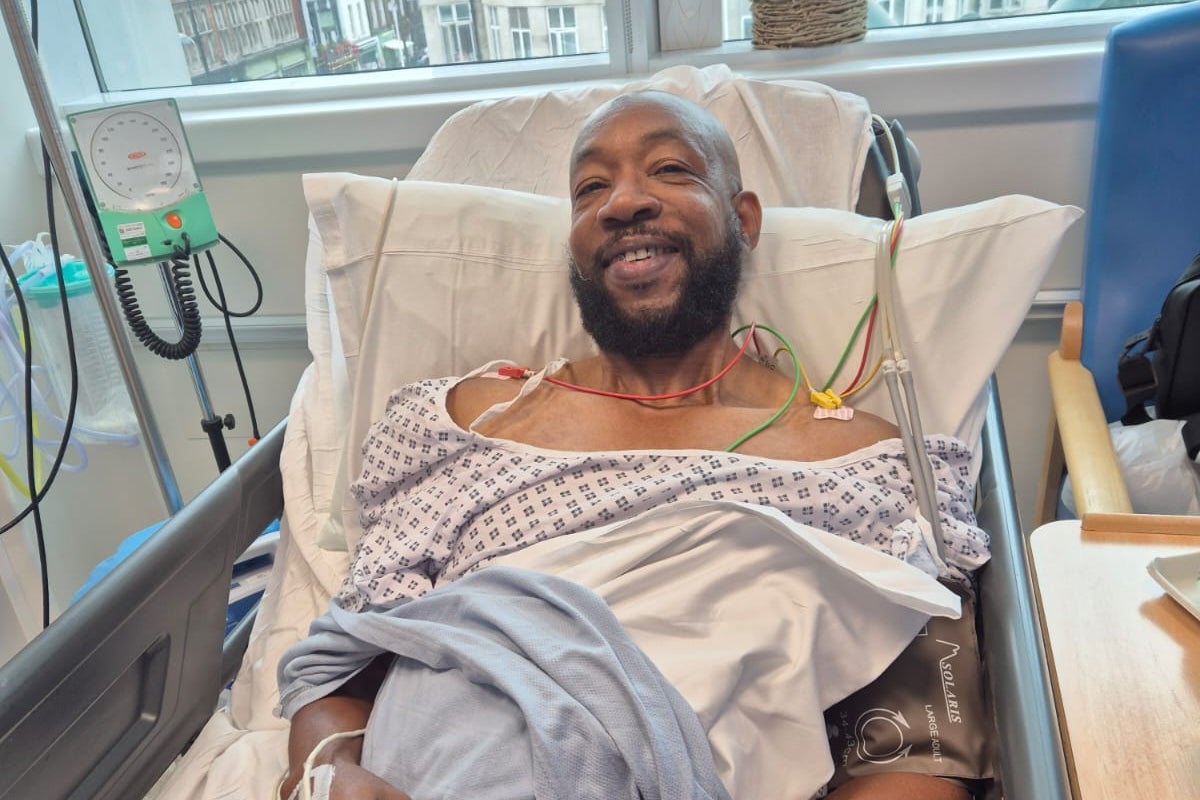
A hip-hop pioneer whose life has been plagued by violent chronic hiccups has been unable to eat, drink or sleep without the spasms for nearly 20 years.
Mell’O’, born Michael Henry from south London, grew up surrounded by reggae, soul, hip hop and jazz and started to make records in the late 80s.
But Mr Henry, now in his 50s, was forced to stop performing and producing his music when a rare condition that causes chronic hiccups took over his life.
“It totally destroyed my confidence, it affected how I value myself, I wasn’t able to do all the things that I enjoyed. I spent most of my walking day hiccuping violently,” he toldThe Independent.
He was diagnosed with Type III achalasia in 2024 — a condition that affects about one in 100,000 people and causes the muscle at the bottom of the food pipe to not relax. But for almost two decades doctors were baffled over what was causing his hiccups as it is not a common symptom of the disorder.

Mr Henry first experienced an unusual episode of hiccups in 2006 when he had uncontrollable spasms for about half an hour. While he thought it was unusual he didn’t seek medical help.
But two years later he experienced another episode which lasted for hours and from then on his hiccups became more regular and more intense.
Hiccups are repeated spasms or sudden movements of the diaphragm that you can't control. Most people get hiccups that only last a few minutes, according to the NHS. But In rare cases, hiccups that last longer than 48 hours can be due to a medical condition.
“Within a year I was having hiccups three or four days in a row. On a day that I'm having a cycle like this, it will be four to five hours and then it might stop for an hour and then go again,” Mr Henry said.
“I would be exhausted because of the hiccups and then they wouldn't stop, so I'd fall asleep hiccuping,” he added.
But it wasn’t just interrupting his sleep, the violent spasms would cause him to wake up choking on his own vomit, unable to breathe. He also struggled to keep food and drink down.
Mr Henry said during this time he did go to the doctors and saw a consultant specialist about his condition, but after multiple tests doctors were still “baffled”. He was told he had dysphagia — which is the medical term for difficulty, discomfort, or pain when swallowing food, liquids, or even saliva.
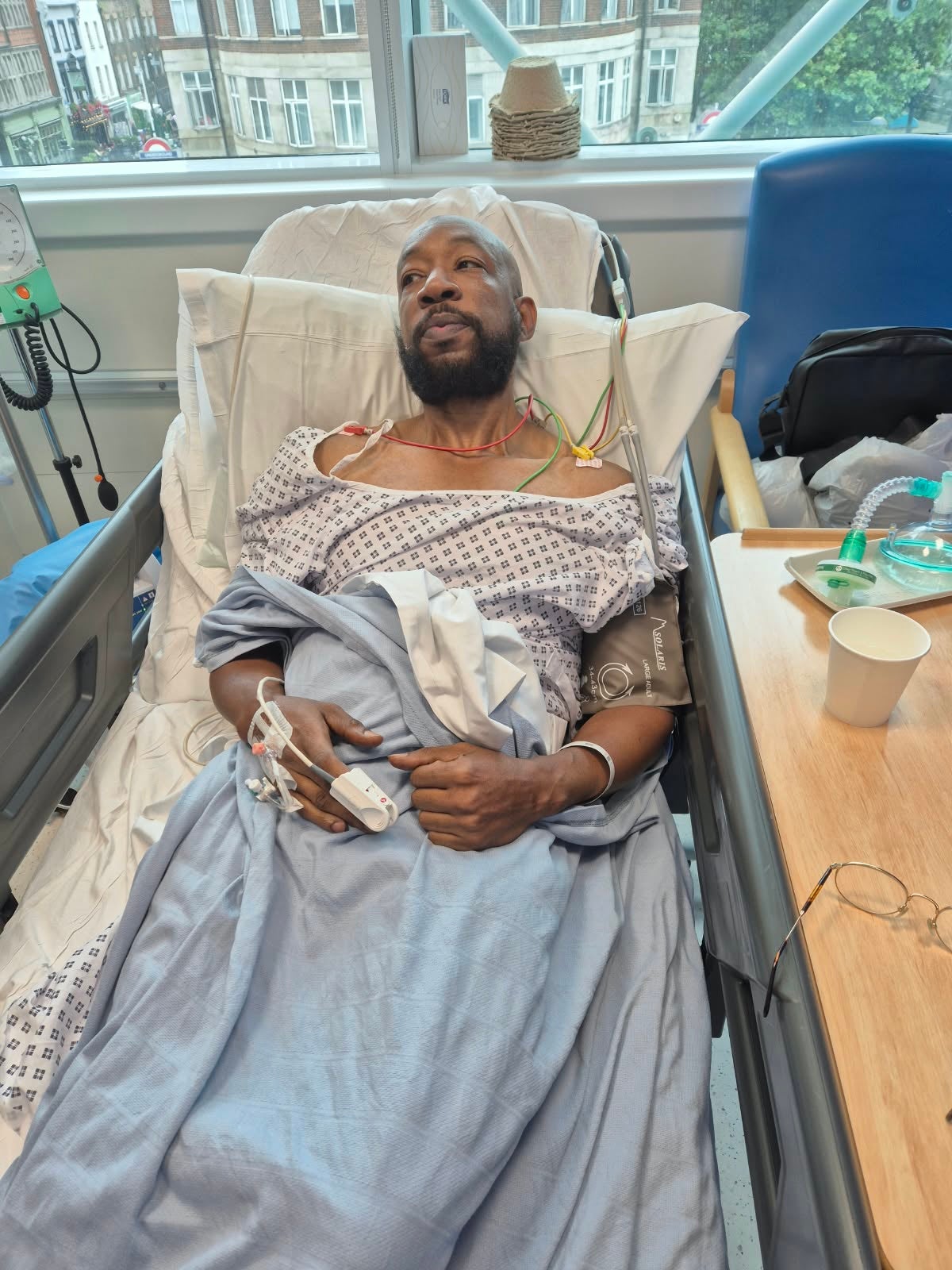
By 2011 he was exasperated of being “sick all the time” and went to A&E and told doctors he has been suffering with hiccups that can last for up to four hours for years. He was given an anti-spasmodic medication and a muscle relaxant. It worked for two years, but then his symptoms creeped back.
“I had a lot of things where I was providing services for people, bringing communities together, I was putting on events, I was working with young people a lot as well and eventually it all had to come to an end,” he said.
He explained that he started to withdraw from his social life and didn’t get an eight hour sleep for years. He was forced to cancel gigs and told promoters to remove his name from flyers in case he had to cancel a show.
In 2024, he visited specialist doctors at University College London Hospital (UCLH) who diagnosed him using a combination of two tests.
Since Mr Henry has had two procedures to widen part of his food pipe, using a thin tub called a catheter with a balloon attached.
But while he has had some improvements, such as being able to eat and drink more frequently without vomiting, Mr Henry is still not cured.
Dr Rami Swiseis, a consultant gastroenterologist at UCLH, explained Mr Henry’s case is not straightforward, and said he is due to have an operation called POEM (per-oral endoscopic myotomy) and he will monitor how he responds.
This operation involves cutting the muscle fibres in the ring of muscle that lets food and drink into the stomach. This muscle acts like a valve to stop food and drink from moving back up the food pipe, according to the NHS.
Doctors believe this operation is his bast chance at recovery, but the NHS waiting list is about a year long and Mr Henry has launched a fundraiser on Gofundme to help pay for private surgery.
“Although private treatment is available, the cost is more than I can afford on my own. After living with this condition for so many years, I want to pursue the treatment available to me, but I cannot take this step without financial assistance,” Mr Henry wrote on his fundraiser.
“After so many years of living with this condition, I feel it is time to reach out and give myself the opportunity to seek a better future,” He added.
KioskNews shows a cleaned-up reading view extracted from the publisher’s page — the original always lives on their site, not ours.