India's Readiness For Sustainable Aviation Fuel At 52%: Boeing
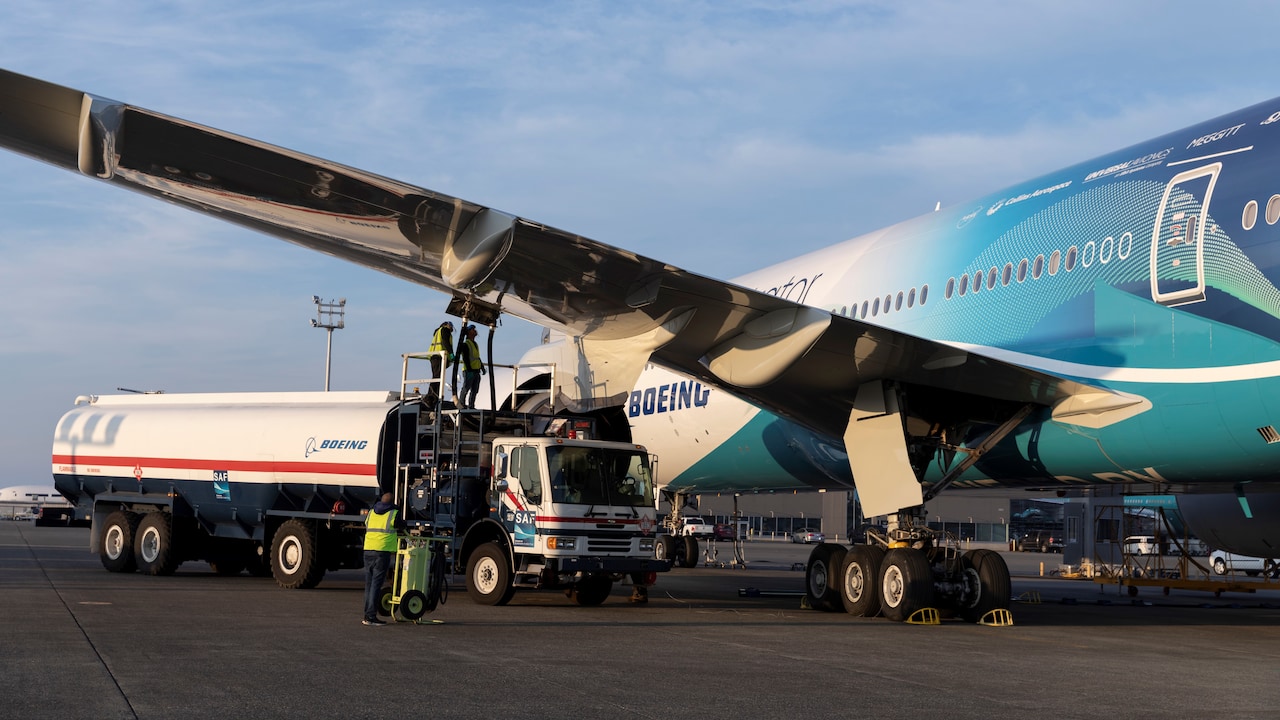
India is making steady progress towards adopting Sustainable Aviation Fuel (SAF), according to a new report by Boeing and the Roundtable on Sustainable Biomaterials (RSB). However, the report added that India's ability to move from ambition to large-scale production remains constrained by gaps in policy and infrastructure, among other things.
The report gives India an overall SAF readiness score of 52 per cent. The assessment is based on conditions prevailing around the middle of 2026 and is intended as a measure of India's domestic readiness.
The findings come as India prepares for an expansion of its aviation sector while also seeking to reduce the carbon intensity of air travel. India has indicated blending targets of 1 per cent SAF by 2027, 2 per cent by 2028 and 5 per cent by 2030, while entering the mandatory phase of the International Civil Aviation Organization's Carbon Offsetting and Reduction Scheme for International Aviation (CORSIA) from 2027.
The report says India's challenge is not primarily a shortage of potential feedstock or technical capability. Instead, the harder task will be building the system needed to turn that potential into a dependable commercial supply of fuel.
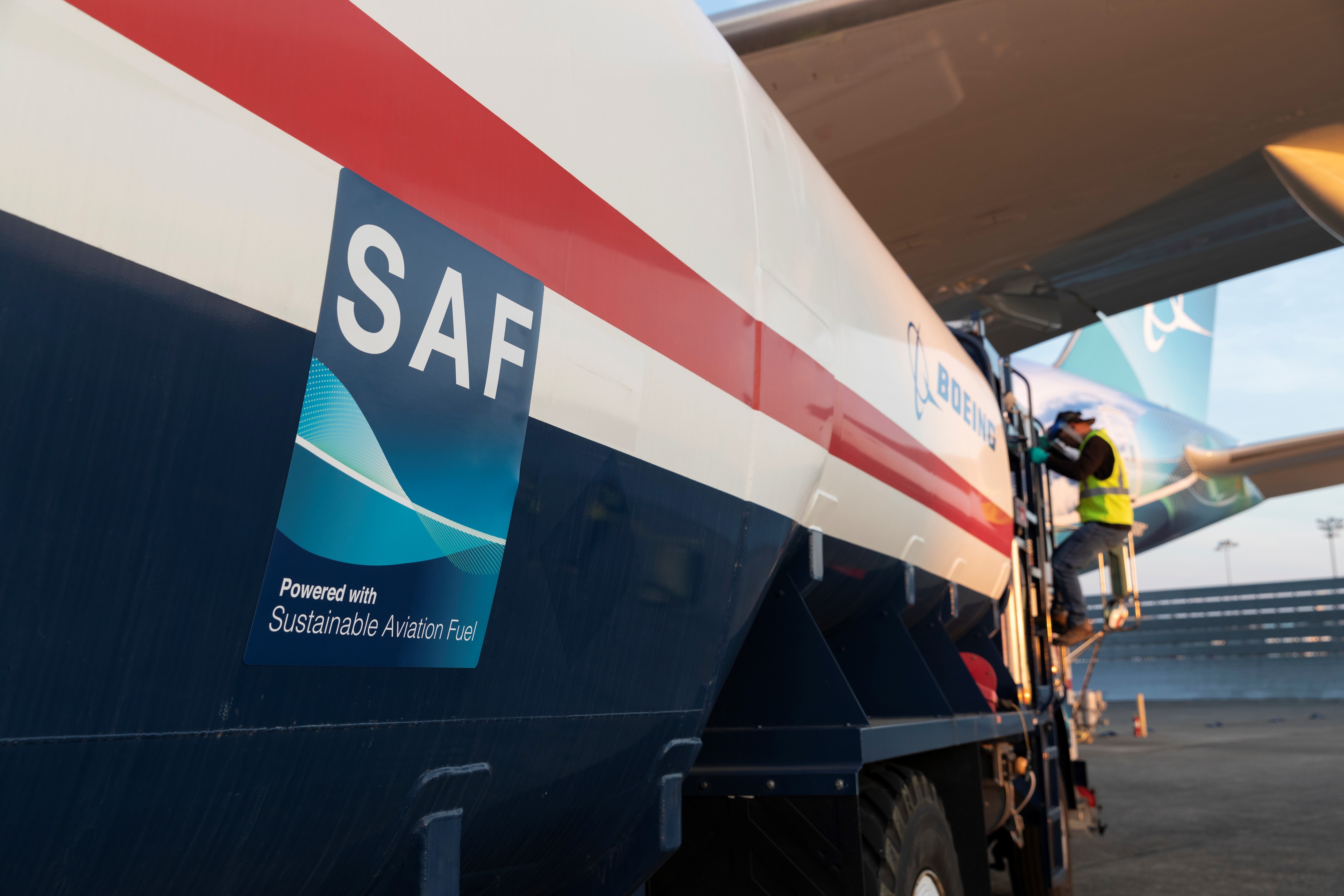
Its feedstock readiness is assessed at 78 per cent, while SAF production capacity and technology readiness each score 60 per cent. Policy and regulation scores 53 per cent, while research and development is at 50 per cent. The weaker areas are supply chain and logistics at 45 per cent, investment and financing at 40 per cent, enabling infrastructure and services at 40 per cent, and market demand at just 30 per cent.
India's theoretical SAF production potential is estimated in the report at 14 million to 33 million tonnes a year, based on available feedstock resources. By comparison, SAF demand under a 5 per cent blending scenario covering both domestic and international aviation is projected at about 720 million litres a year by 2030, equivalent to roughly 0.6 million tonnes.
That gap reveals that India has considerable resource potential relative to its near-term requirement. The problem is getting those resources into the production system reliably.
Another key finding in the report is that India's SAF challenge lies less in whether the country can produce the fuel and more in whether it can create the conditions that make production commercially viable.
Policy along with R&D are assessed as areas showing progress and strategic intent. But investment and financing, market demand, and enabling infrastructure and services are identified as particularly weak areas.
The report therefore describes the 52 per cent score as evidence of momentum constrained by structural gaps, rather than a lack of ambition or capability.
KioskNews shows a cleaned-up reading view extracted from the publisher’s page — the original always lives on their site, not ours.