Can sound waves help Mumbai save water amid drought? BMC turns to new tech to fix pipeline leaks
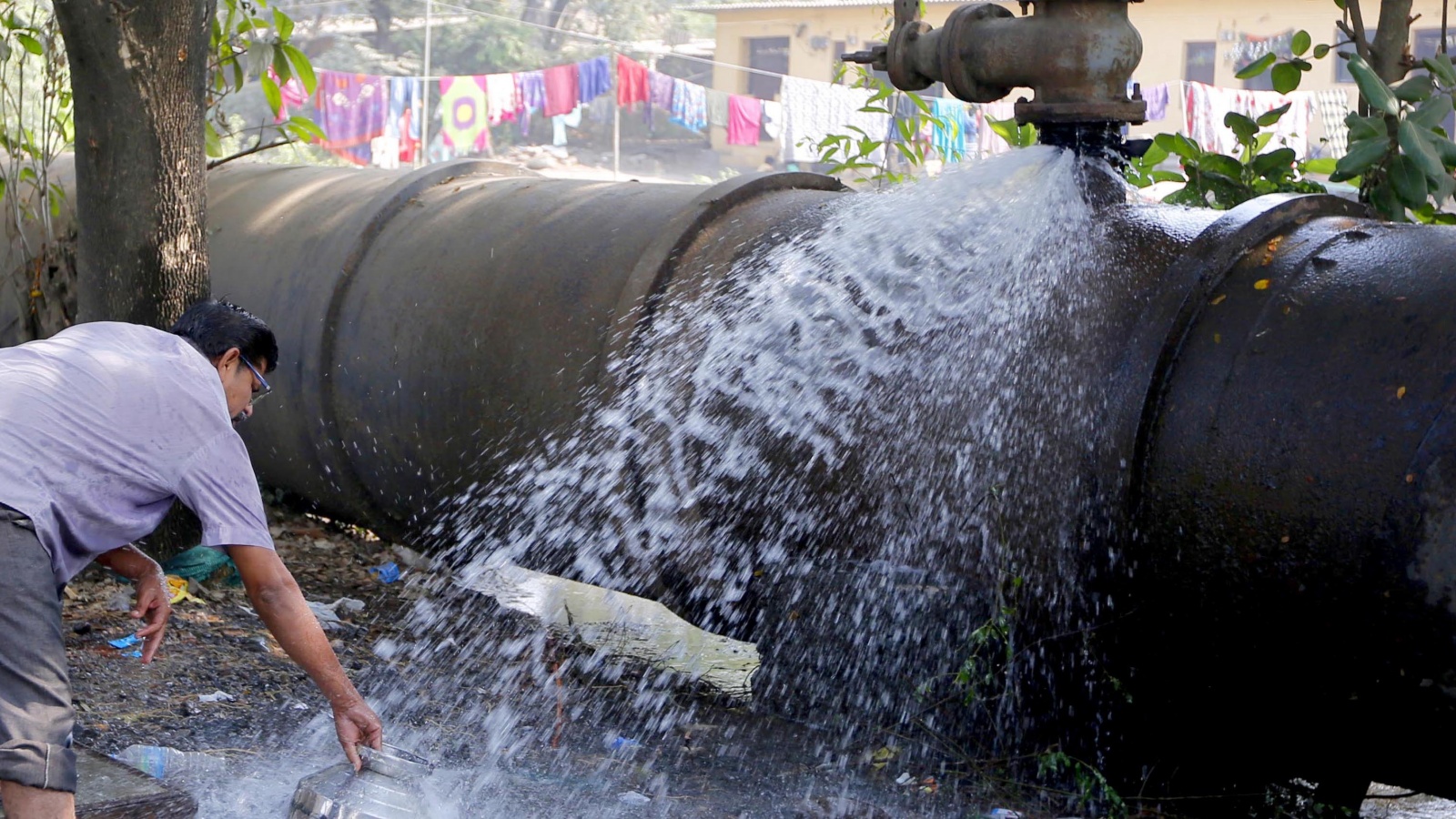
With Mumbai facing a 10 per cent water cut following deficient rainfall, the Brihanmumbai Municipal Corporation (BMC) plans to step up efforts to plug leakages in its ageing water supply network by using SONAR technology to pinpoint underground leaks and increasing the pace of pipeline replacement up to five-fold.
The civic body estimates that nearly 34 per cent of the water it supplies, or around 1,394 million litres per day (MLD), is lost to leakages and water theft. With a network stretching nearly 6,000 km, much of it decades old, the BMC plans to replace 250-300 km of pipelines annually, against the current 60-70 km.
One of the key interventions under consideration is the use of Sound Navigation and Ranging (SONAR) technology to identify underground leakages. The technology uses sound waves to detect objects and identify changes beneath the surface.
“Whenever there is leakage, water starts gushing out from underneath the ground onto the streets or roads above. Often, after digging the surface, we discover that the source of leakage is not at the spot from where the water comes out. Following this, we need to do our own calculations, narrow down a few suspected points and continue to dig the roads until the leakages are located,” Abhijit Bangar, Additional Municipal Commissioner (Projects), told The Indian Express.
He said repeated digging damages roads, while the actual source of a leak can remain undetected for some time. SONAR technology is expected to help pinpoint leaks and reduce the need for exploratory digging.
The BMC is also looking to accelerate the replacement of its ageing pipeline network. Civic officials said the current pace of replacing 60-70 km of pipelines annually accounts for barely one per cent of the network. The target is to raise this to 250-300 km a year, replacing around 5-6 per cent of the network annually.
“If we see from a metric point, the BMC is now able to replace only 1 per cent of the existing pipeline network. Going forward, we aim to replace 5-6 per cent of the existing old pipelines annually with new ones, scaling up the progress to 25-30 per cent in the next four years, resulting in fewer losses of water,” Bangar said.
Story continues below this ad
The civic body also plans to expand its Water for All policy, introduced in 2021, under which it provides dedicated water connections to slum settlements to bring more households into the formal supply network and curb water theft.
According to BMC data, the civic body has received 35,697 applications under the policy and granted 29,110 water connections so far.
Bangar said the BMC is in the process of appointing a consultant to assess the feasibility of the proposed interventions and prepare a detailed report within six months. The civic body plans to begin implementing the measures around the middle of 2027.
The move comes a week after Mumbai Mayor Ritu Tawde asked the civic administration to submit a report to the civic house on measures to prevent water loss.
Why it matters
Story continues below this ad
Mumbai depends on seven lakes, Tulsi, Vihar, Bhatsa, Tansa, Modak Sagar, Upper Vaitarna and Middle Vaitarna, located across the city’s suburbs and neighbouring districts, for its water supply. The lakes are replenished by monsoon rainfall, and the stored water is transported to households and establishments through the pipeline network.
The city’s daily water demand stands at around 4,600 MLD, while the BMC supplies approximately 4,100 MLD. Of this, an estimated 1,394 MLD is lost to leakages and theft.
With deficient rainfall this year and higher temperatures accelerating evaporation, the BMC has imposed a 10 per cent water cut to ensure available stocks last until September next year.
Mumbai’s water loss: The numbers
- Daily water demand: 4,600 MLD
- Daily water supply: 4,100 MLD
- Estimated water lost to leakages and theft: 1,394 MLD (34%)
- Length of existing pipeline network: 6,000 km
What the BMC plans
Story continues below this ad
- Use SONAR technology to pinpoint underground leaks
- Increase annual pipeline replacement from 60-70 km to 250-300 km
- Expand the Water for All policy to provide formal water connections in slum settlements
KioskNews shows a cleaned-up reading view extracted from the publisher’s page — the original always lives on their site, not ours.