Malaysia must watch Saudi Arabia with increased scrutiny

Washington’s decision to order non-emergency American diplomatic personnel and their families to leave Saudi Arabia is more than a precautionary measure. It signals a dangerous deterioration in the security environment of West Asia.
For Malaysia, the implications are immediate, strategic and potentially costly.
Saudi Arabia is not merely another oil-producing country. It is a pivotal power in the Gulf Cooperation Council (GCC), the custodian of Islam’s two holiest cities and an indispensable pillar of global energy security.
When Washington begins withdrawing diplomatic personnel from Riyadh, Kuala Lumpur must pay attention.
The decision follows increasingly audacious attacks by Yemen’s Houthis against Saudi airports, energy installations and civilian infrastructure.
The recent targeting of Riyadh’s King Khalid International Airport and Saudi Aramco’s Shaybah oilfield demonstrates how asymmetric warfare can undermine even a militarily sophisticated state.
Saudi Arabia possesses advanced Western weapons systems, extensive financial resources and powerful international partnerships. Yet relatively inexpensive drones and missiles continue to penetrate or challenge its defensive arrangements.
This carries five important lessons for Malaysia.
First, energy security cannot be separated from national security.
Although Malaysia produces petroleum and natural gas, its economy remains vulnerable to disruptions in global energy markets.
Higher transportation costs, expensive imported industrial inputs and renewed inflationary pressures could weaken domestic purchasing power.
Prime Minister Anwar Ibrahim’s unity government has worked to preserve economic stability amid considerable international uncertainty.
A prolonged crisis in Saudi Arabia could undermine these efforts, especially if disruptions spread across the Persian Gulf and Red Sea.
Second, maritime security must be understood as an interconnected strategic system.
The Strait of Hormuz and Bab el-Mandeb are indispensable arteries of international commerce.
If both become increasingly dangerous, shipping companies will face higher insurance premiums, longer journeys and mounting operational costs.
Malaysia, strategically positioned along the Strait of Malacca, cannot remain insulated from these developments.
Disruptions in West Asia can eventually affect Malaysian ports, manufacturers, exporters and consumers.
Third, the Houthis have demonstrated the growing effectiveness of asymmetric warfare.
Military superiority no longer guarantees comprehensive security.
Drones, missiles, cyberattacks and sabotage can inflict enormous economic damage without requiring conventional military parity.
Malaysia and Asean must therefore strengthen the protection of airports, ports, energy installations and communications networks.
The strategic lesson is straightforward: resilience matters as much as deterrence.
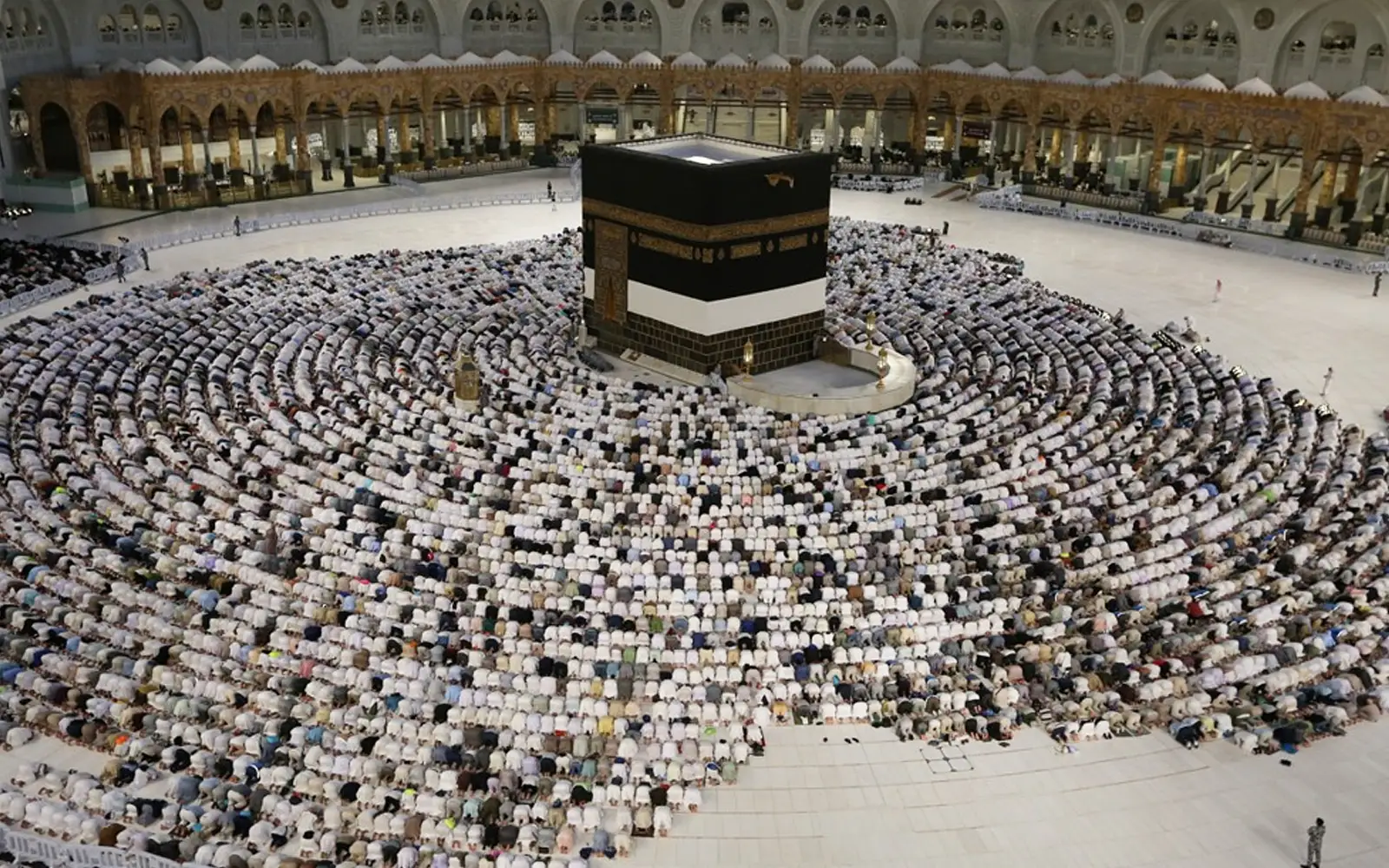
Fourth, Saudi instability carries serious implications for Malaysian pilgrims.
Mecca and Madinah remain central to the religious lives of Malaysian Muslims.
Any deterioration in aviation security or airport operations could complicate haj and umrah arrangements.
Wisma Putra, Tabung Haji and Malaysia’s diplomatic missions must strengthen contingency planning, particularly regarding evacuation procedures, flight disruptions and consular assistance.
The safety of Malaysian citizens must remain paramount.
Fifth, the American decision exposes the limitations of excessive dependence on external security guarantees.
The United States remains militarily formidable. Nevertheless, its decision to reduce diplomatic exposure demonstrates that even Washington cannot eliminate every security threat confronting its allies.
Malaysia must therefore deepen its strategic relationships with Saudi Arabia, Turkey, Pakistan, China and other influential powers.
The views expressed are those of the writer and do not necessarily reflect those of FMT.
Subscribe to our newsletter and get news delivered to your mailbox.
KioskNews shows a cleaned-up reading view extracted from the publisher’s page — the original always lives on their site, not ours.