‘You’ve got to be pretty tough to be a drag queen out there’: Damien Frost’s immaculate queer portraits
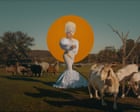
One bright spring day, the photographer Damien Frost arrived at a farm in Gungal, outside Muswellbrook, New South Wales. Goats grazed in a paddock, eucalyptus trees stretched into the brilliant blue sky and a tin shed weathered in the sun. Frost walked into the shed and entered another world.
“It’s a drag studio,” says Frost. Lining the walls were dozens of wigs and rails of flamboyant outfits belonging to Beverly Fabulosity. “I’ve never seen anything like it. It was a very Priscilla scenario.”
Frost grew up in Australia and is now based in London, where for more than a decade he has photographed drag queens and club kids for his acclaimed Night Flowers series. Since late August, he has been back in his home country, commissioned by Newcastle’s New Annual festival to photograph night owls in and around the city. These new portraits are being exhibited alongside a selection from Frost’s archive at Watt Space gallery as part of the festival.
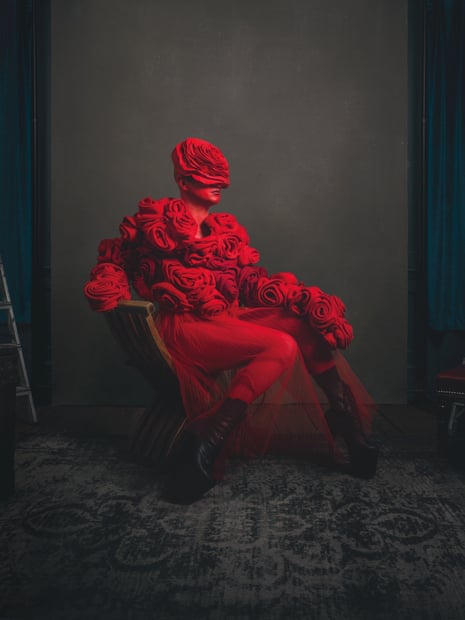
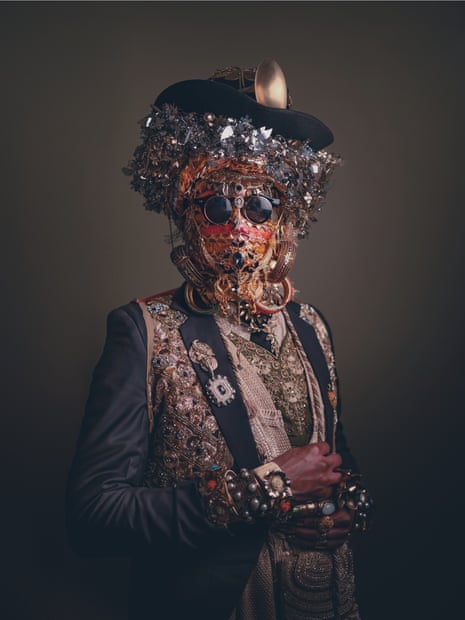
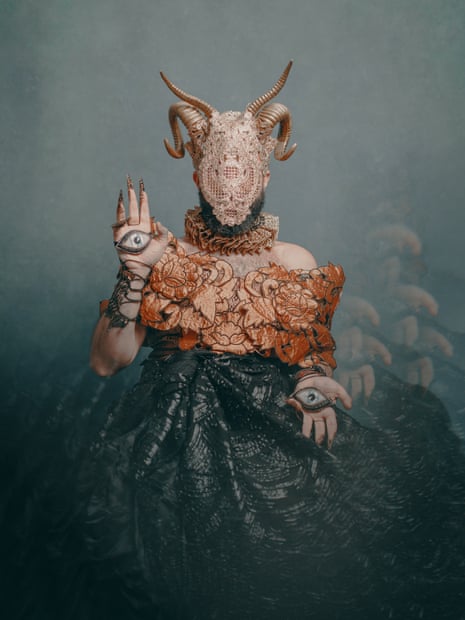
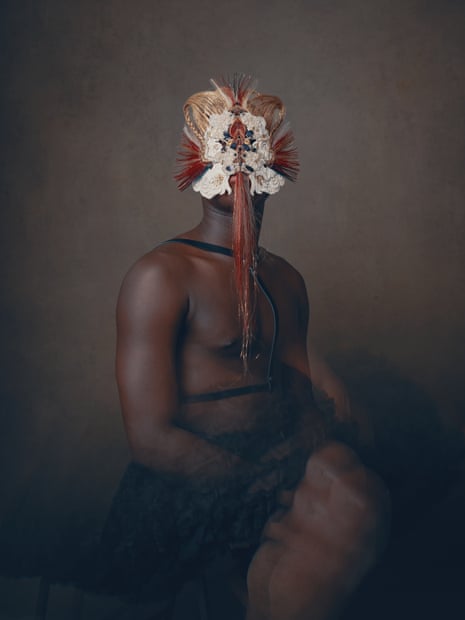
The exhibition is a full-circle moment for Frost, who studied at the University of Newcastle after growing up in Sydney. Returning to Australia has inspired a change in his approach: in London, he meets and photographs his subjects in or around clubs, although his portraits appear so meticulously staged that viewers often assume they were taken in a studio. “Coming back to my home country, I wanted to show a little bit of the environment these people are working in,” he says.
The locations are a far cry from nightclubs or the catwalks of RuPaul’s Drag Race. One person posed near the city’s port against a backdrop of coal trains. Others appear in their homes, on suburban streets, in the Stockton sand dunes. Beverly Fabulosity is pictured in a field wearing a white gown and a towering wig, goats milling around her. “You’ve got to be pretty tough to be a drag queen out there,” says Frost.
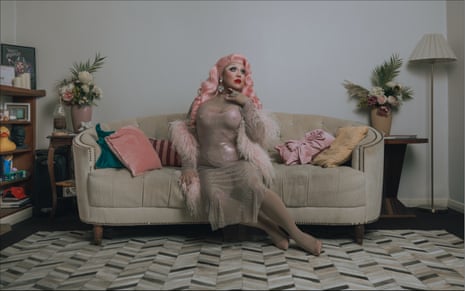
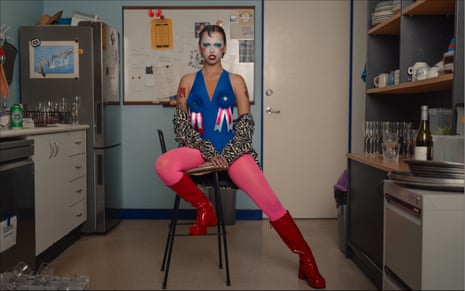
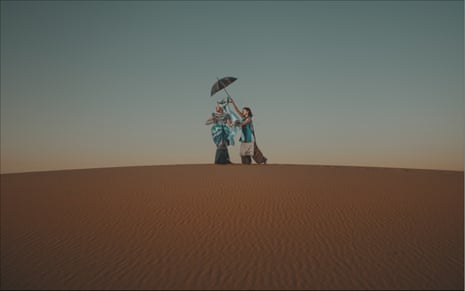
Whether he photographs people on a farm or at a warehouse party, Frost is most interested in how people use fashion, makeup and prosthetics to explore their identity. “I’m not looking for people in fancy dress, I’m looking for people who are expressing something,” he says. Sometimes, this goes beyond experiments with glamour, style or gender. “A lot of the photos I take, the characters can be quite grotesque,” says Frost. “Often, it’s people dressing up as a manifestation of how they feel they’ve been treated … they’re made to feel like a monster, so they reclaim that.”
Some of his subjects work for months on a single look they only wear once. “I liken it to Buddhist sand sculptures, where they spend hours and hours on an intricate pattern and just wipe it all off at the end,” says Frost. His photographs immortalise these creations and showcase them to people who might never otherwise encounter them.
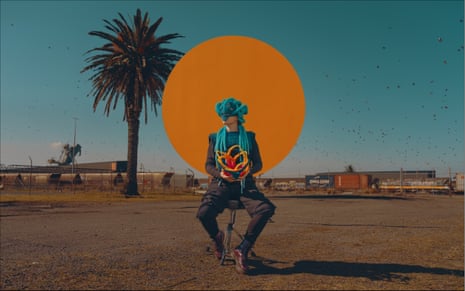
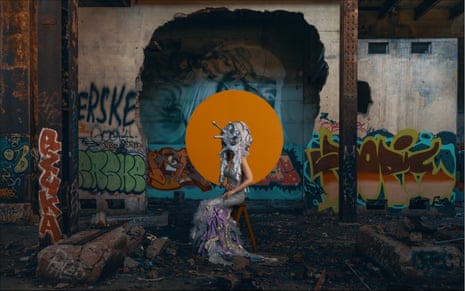
Looking through his archive, Frost can trace changes in drag culture. Economic pressures have led to the closure of more than half the LGBTQ+ venues in London. On top of that, “not just in drag, but even in artistic practices, social media’s algorithms now influence the direction that people go with their work”, says Frost. This leads to “a lot of people who turn [themselves] into a brand … which they then don’t want to deviate from”.
More radical forms of self-expression are still out there, though: “You just have to look a bit harder for them.”
-
Night Flowers: Damien Frost is at Watt Space gallery until 4 October as part of the New Annual festival in Newcastle, NSW
KioskNews shows a cleaned-up reading view extracted from the publisher’s page — the original always lives on their site, not ours.