Parking meter operator to pay HK$1.3 million over citywide outage
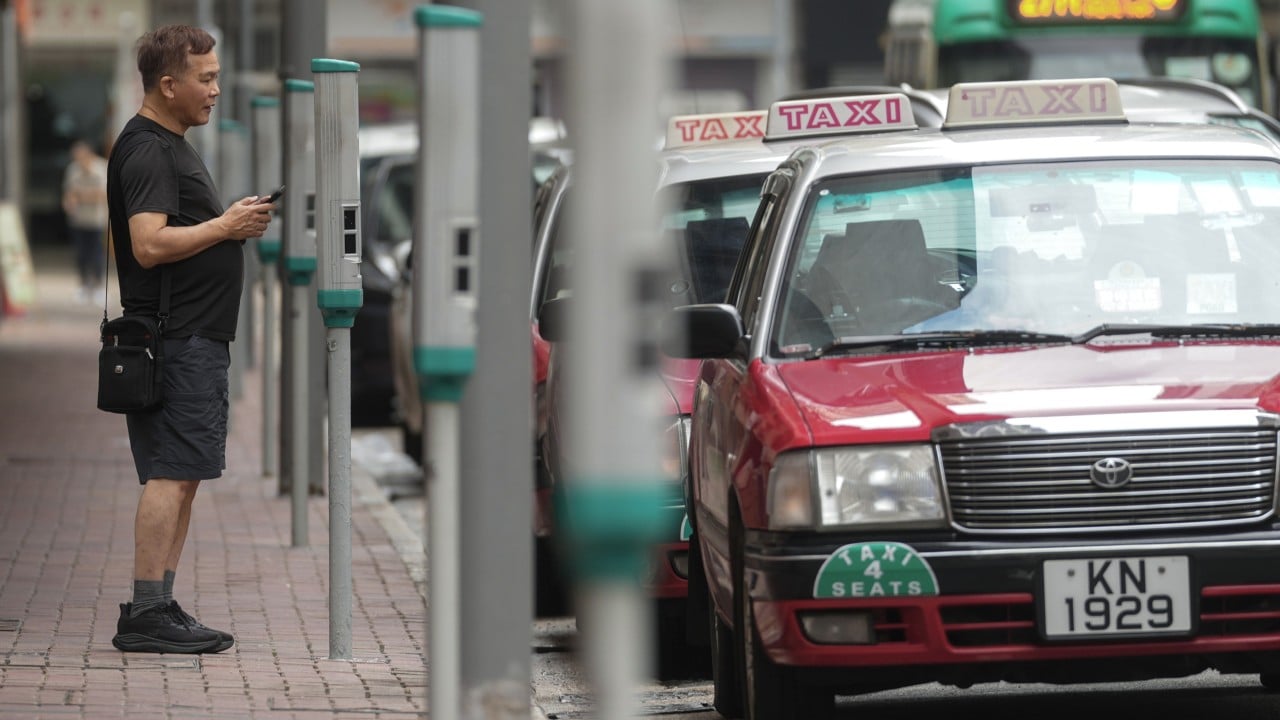
A parking meter operator has agreed to pay the government about HK$1.3 million (US$165,682) after a citywide outage that affected more than half of Hong Kong’s devices earlier this month, the transport minister has told lawmakers.
Secretary for Transport and Logistics Mable Chan said the Transport Department, the Electrical and Mechanical Services Department and the Digital Policy Office had reviewed the operator’s incident report and found that the disruption was caused by a software update carried out in the early hours of November 3.
The update contained a flaw that prevented the backend system from communicating properly with the parking meters, resulting in a four-hour outage affecting about 11,000 devices across the city.
Chan said the incident was not caused by hardware failure, network disruption or a cyberattack and did not involve any leakage of personal or payment data.
Soon after the breakdown, the government instructed the operator to issue full refunds to the original payment methods for all transactions made between 8.20am and 12.15pm on the day of the outage.
Chan told the Legislative Council that the operator had refunded all charges incurred during the outage. It had also agreed to compensate the government about HK$1.3 million.
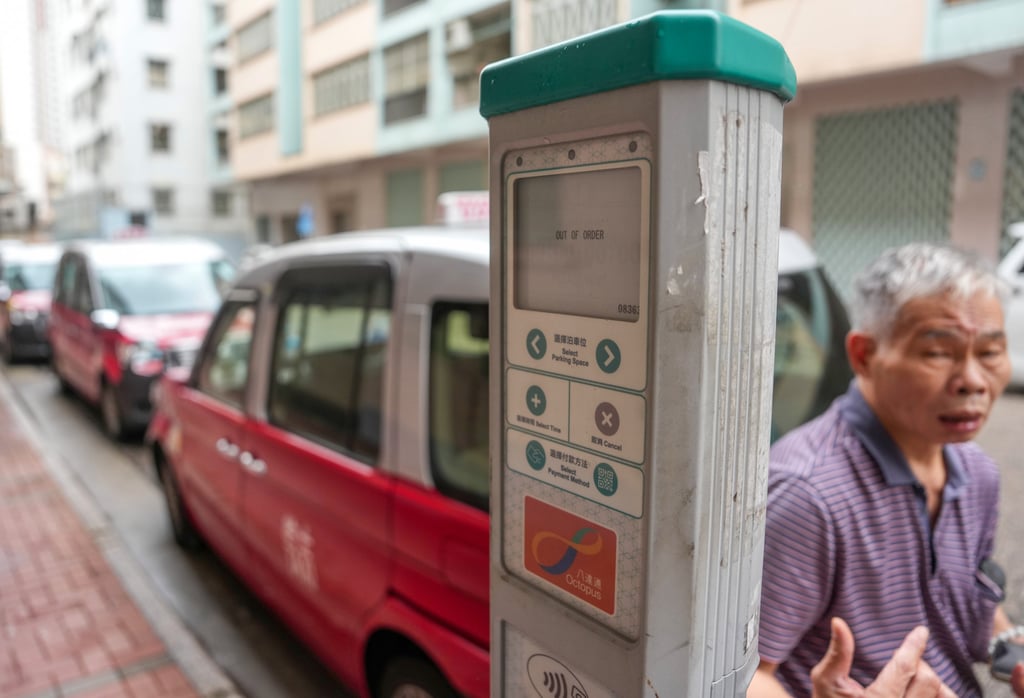
The incident also prompted police to review penalty tickets issued at on-street parking spaces during the disruption.
The operator was also required to conduct a thorough investigation and submit an incident report
In 2019, the Transport Department awarded contracts worth a combined HK$682 million to a joint venture between Hong Kong Telecommunications (HKT) and Flowbird to replace the city’s parking meters and manage, operate and maintain the new-generation meters under an 11-year contract.
Chan said the three departments had reviewed the system’s engineering design and management procedures to prevent a recurrence. The Transport Department also ordered the operator to strengthen monitoring and tighten controls over software updates.
Moving forward, the operator has committed to conducting high-intensity load tests in a simulated staging environment and carrying out small-scale trials before rolling out updates citywide.
Chan described the operator’s handling of the incident as far from satisfactory, noting that the flawed software update had been rolled out without prior testing.
She said the operator had updated both the primary and backup systems simultaneously, meaning the backup system was unable to take over when the primary system failed.
Chan added that the Transport Department would continue to regularly assess the operator’s performance and service quality.
KioskNews shows a cleaned-up reading view extracted from the publisher’s page — the original always lives on their site, not ours.