Vietnam partners with Denmark to propel its wind energy ambition
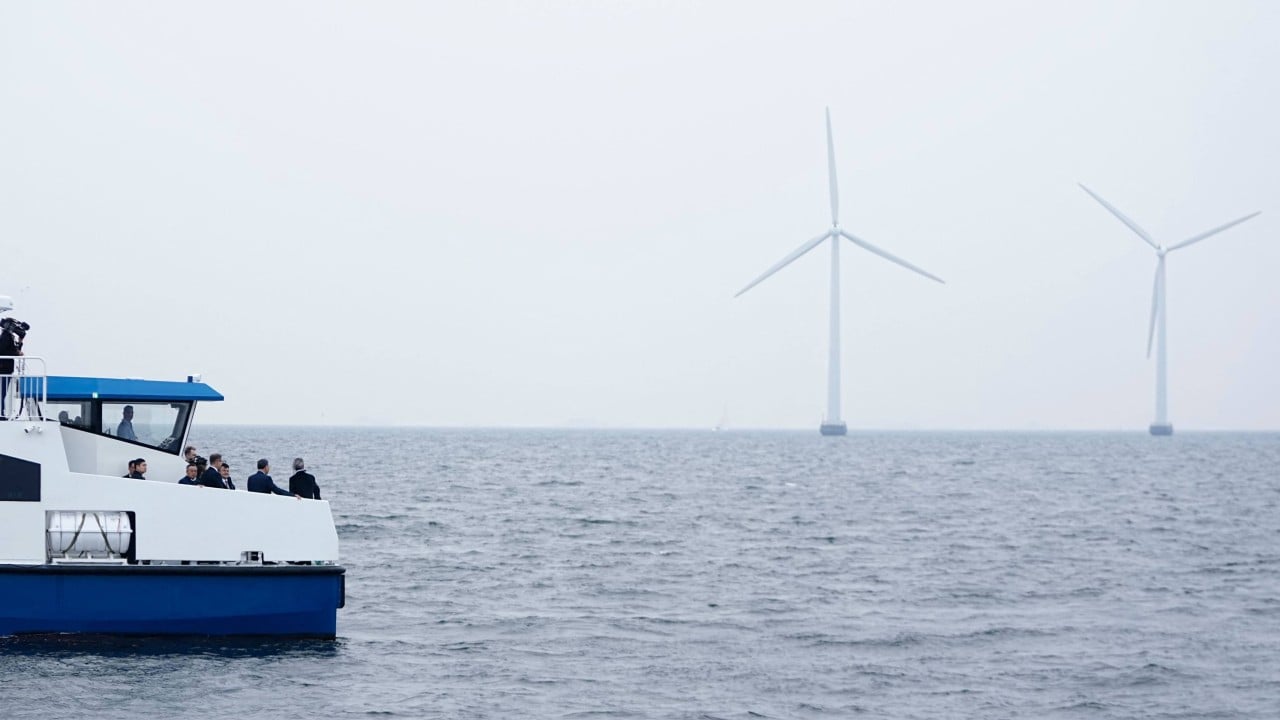
A wind energy partnership between Vietnam and Denmark has fuelled expectations of the Southeast Asian country boosting its competitiveness in renewable electricity to serve overseas and domestic markets.
Vietnam is well placed to grow its renewable electricity sector by tapping its large pool of engineering talent and abundant wind resources with help from Denmark, a global leader in wind energy, according to analysts.
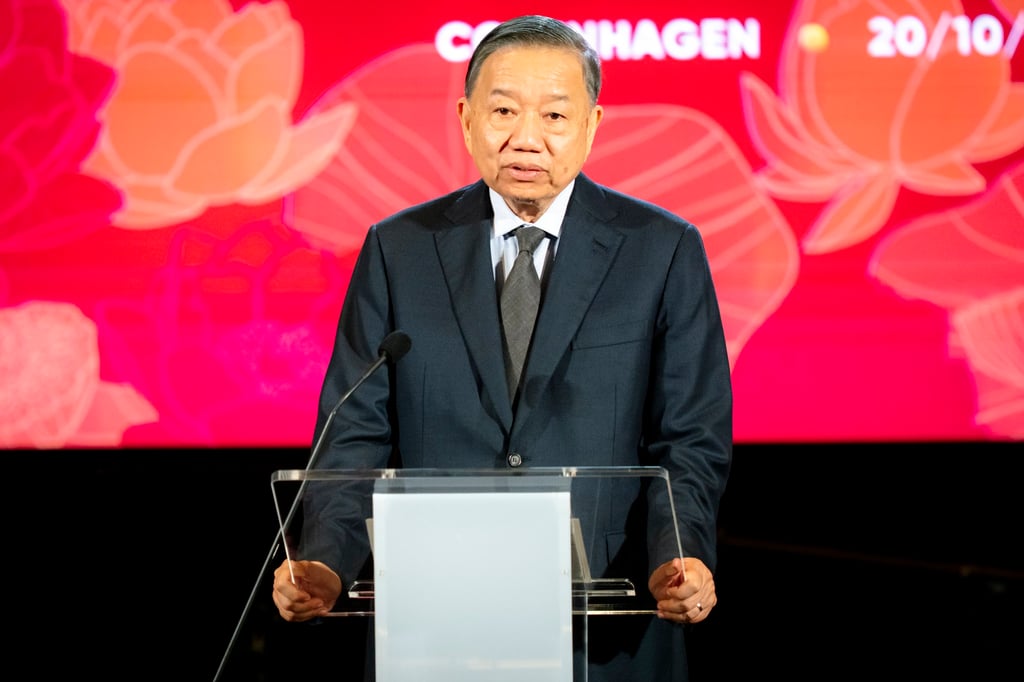
On Tuesday, the two countries signed a comprehensive strategic partnership during the three-day state visit by Vietnamese President To Lam to Denmark.
As part of the cooperation, Vietnamese state-owned energy group Petrovietnam signed an agreement with the Copenhagen Infrastructure Partners (CIP) to build the South Central Region 1 offshore wind project, a 1,000MW development that forms a part of Vietnam’s electricity generation plan.
Offshore wind refers to the generation of electricity using wind farms located in waters such as seas and oceans.
The deal builds on Petrovietnam’s growing role in the global offshore wind supply market. In September, the company began shipping offshore substations to Poland’s Baltica 2 wind farm, which is expected to power 2.4 million Polish households in late 2027.
Nam Nguyen, a Hanoi-based energy policy analyst, said Vietnam had acquired considerable expertise in the wind sector through years of developing its domestic offshore oil and gas industry, which shares many technical and infrastructure requirements with offshore wind projects, such as deploying service vessels and offshore foundations.
This has allowed Petrovietnam to win multiple contracts to supply offshore wind equipment and facilities in overseas markets, according to Nguyen.
He said Denmark had supported Vietnam’s efforts to grow its wind and other renewable energy sectors through initiatives such as the Danish-Vietnamese Energy Partnership Programme, while CIP had invested in the country for years.
Manh Tri Dao, director for the Centre for Environmental Economics and Climate Change Studies, noted the synergy between the two sides by combining Vietnam’s offshore engineering capabilities with Denmark’s large-scale wind development experience and financing.
Referring to the South Central Region 1 project, Dao said: “If successfully implemented, these collaborations could provide a valuable example for future projects beyond this partnership, showing Vietnam’s capacity to co-develop offshore wind with international partners,” he added.
Lam Pham, an Asia energy analyst for Ember Energy, said the partnership could boost downstream sectors within Vietnam, such as manufacturing and maintenance, leading to more skilled jobs created, citing the country’s existing partnership with Vestas, a Danish wind turbine maker.
Earlier this month, Vestas announced it had secured contracts to supply 16 wind turbines to two wind farms in central Vietnam.
While Vietnam is growing its overseas offshore wind markets, it is still falling short in generating electricity from nearshore wind locally, according to Pham.
Nearshore wind refers to the generation of electricity using wind turbines installed in waters close to the shoreline, typically up to 15km (9.3 miles).
Referring to Vietnam’s current capacity of 0.8GW of nearshore wind, Pham said: “The priority now is to build on its manufacturing strengths by establishing a clear, predictable domestic market, enabling Vietnam to benefit not only from supplying global offshore wind projects but also from developing its own wind resources,” he added.
Among the barriers that Vietnam’s domestic wind industry faced, Pham said, were uncertainties over project approvals, area planning and marine surveys, as well as financing risks.
Nguyen said that Vietnam should also develop its supporting infrastructure to grow the industry. Citing the fragmented port infrastructure across coastal provinces, he added that such risks could limit the opportunity for companies to invest in large-scale offshore wind projects.
Analysts call for Hanoi to streamline its industrial policies to boost the development of related industries and renewable electricity supply and help reduce project costs.
Dao said this was crucial given that energy consumption by businesses in Vietnam would likely surge in tandem with growing demand for tech facilities.
“Continued improvements to renewable power procurement rules can help Vietnamese industries and international manufacturers access clean electricity, including for emerging, energy-intensive demand such as data centres,” he added.
Nam said another area that Vietnamese policymakers could do to support the growth of the wind sector was to allow for more competition.
“The country would still need to accelerate the development of a more competitive electricity market and establish more stable and predictable support policies for emerging technologies such as offshore wind and other renewable energy sources,” he added.
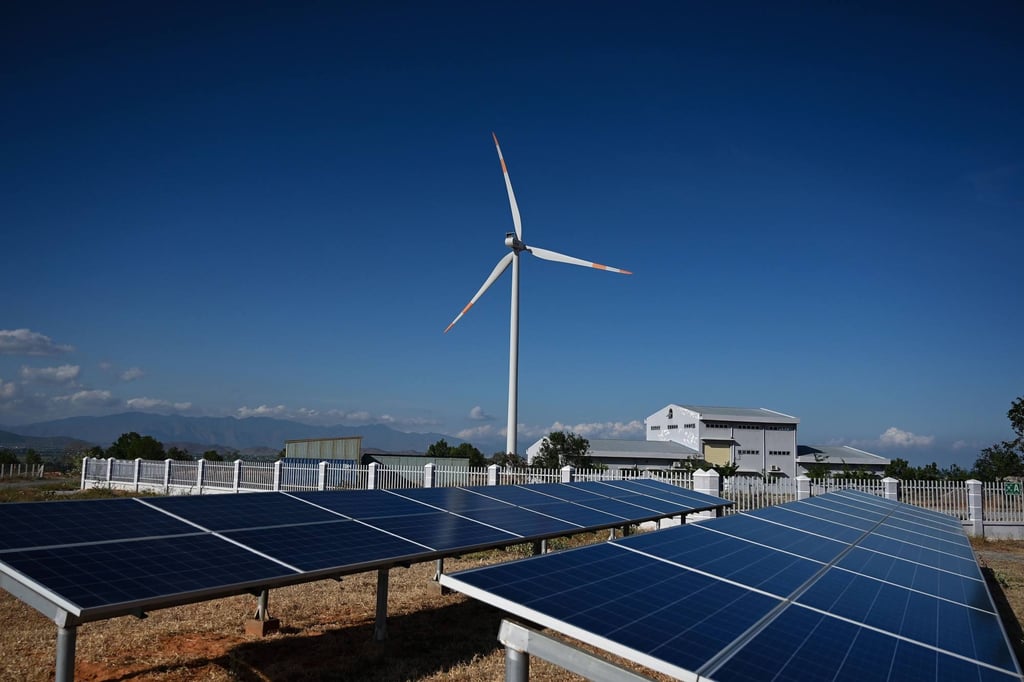
Vietnam is aiming to achieve net zero emissions and phase out coal use by 2050 by increasing electricity generation from renewable sources such as wind and solar. It currently only generates wind power from onshore and nearshore facilities but aims to achieve 6,000MW capacity of offshore wind by 2030.
Pham said: “With the right policy, financing and grid conditions, offshore wind could strengthen both Vietnam’s energy security and the long-term competitiveness of its industries.”
KioskNews shows a cleaned-up reading view extracted from the publisher’s page — the original always lives on their site, not ours.