Mangyan couple keeps education alive in remote communities
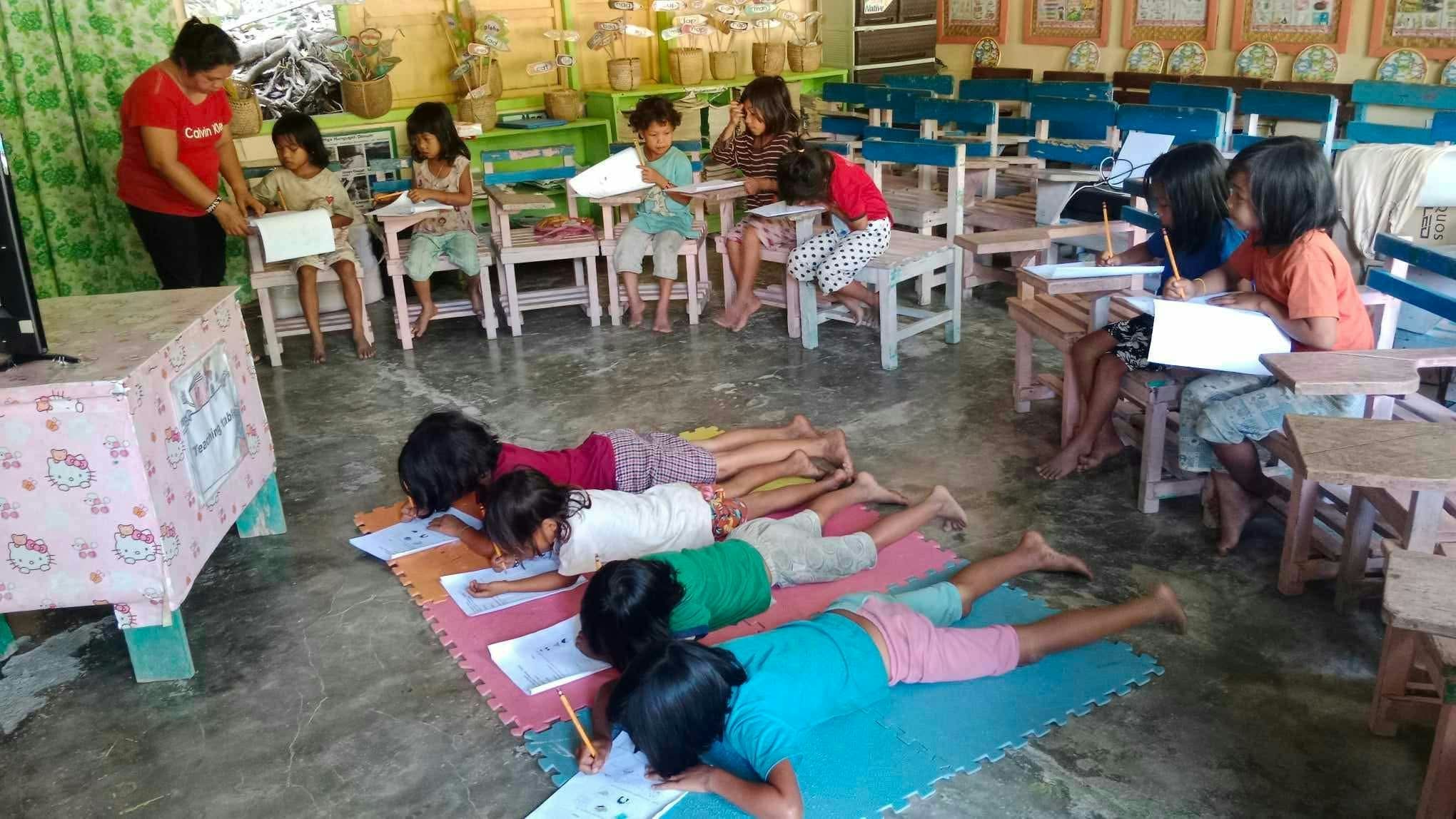

BONGABONG, ORIENTAL MINDORO — Before she became a teacher, Gloria Lintawagin Reyes knew what it was like to enter a classroom carrying not only her schoolbooks but also the full weight of being Mangyan.
“I was born into a simple family. My parents were unable to attend school. Because of our difficult circumstances, I dreamed of finishing my education and becoming a teacher someday so I could have a good job,” said Gloria, 36, in a recent interview.
But school also exposed her to discrimination.
Article continues after this advertisement
READ: Antique teacher brings school closer to IP students
FEATURED STORIES
NEWSINFO
NEWSINFO
NEWSINFO
“During my elementary school years, I experienced unequal treatment from Tagalog people toward us Mangyans. We experienced discrimination,” she said.
She recalled being called “Mangyan, mangmang,” words that stayed with her even as she continued her education.
“My family and the discrimination I experienced became my inspiration to continue my education. Whenever I remember those experiences, I become even more determined to pursue my studies,” Gloria said.
READ: Marcos hails teachers, vows prioritization of education sector
Article continues after this advertisement
Today, Gloria and her husband, Arnold Reyes, 40, are teachers serving indigenous children in some of the most remote communities of Oriental Mindoro.
For the couple, teaching is more than a profession. It is a way to open opportunities for Mangyan children while helping them preserve the culture, language, and identity they bring into the classroom.
Article continues after this advertisement
“I chose to become a teacher so I could share my knowledge, experiences, and inspiration with my students, and help reduce discrimination against Mangyan children because one of their teachers is also an Indigenous Mangyan,” she said.
Remote classroom
Arnold, a Buhid Mangyan from Bongabong, helped establish Naswak Hatubuan Bangon Elementary School, which serves learners in a mountainous community where reaching school can be difficult and dangerous.
Before becoming a permanent Department of Education teacher in 2018, he served as a volunteer teacher with the Mangyan Mission and the Holy Spirit Sisters.
He continues to travel to the community every week, crossing rivers and helping repair damaged bridges to keep the route to school open.
READ: Marcos urges teachers to form principled, discerning Filipinos
In August, 12 teachers were reportedly stranded after the Bongabong River suddenly rose and were later rescued by police and disaster responders.
For teachers assigned to remote indigenous communities, reaching the classroom can be an act of perseverance.
Gloria, who belongs to the Alangan Mangyan tribe, also experienced the challenge of teaching children from another Mangyan group.
“It was difficult for me to teach the Bangon tribe because I came from the Alangan tribe. But we have similar cultures and traditions, so I was able to adapt some of the lessons,” she said.
Her background in anthropology also helped her understand the importance of culture in education.
Gloria uses Mangyan languages, traditions, and indigenous knowledge in her lessons, including Bangon and Buhid languages, traditional songs and stories, and examples drawn from the children’s daily lives.
“It is important for Mangyan children to see their culture inside the classroom. While they are learning modern knowledge, they should not forget their culture but instead enrich it further,” she said.
She also believes lessons should be connected to the real lives and experiences of indigenous children.
Building confidence
For Gloria, some of the most rewarding moments come when students realize that lessons they once feared are within their reach.
“This is how easy it is, Ma’am. We thought studying was difficult. We thought we couldn’t do it,” students would tell her.
She has also seen shy learners gradually gain confidence.
“The biggest change we have seen in our students is that they have gained self-confidence. Before, they would not answer. Now, they are gradually learning to interact with other people,” she said.
One former student illustrates what that confidence can lead to.
READ: Five reasons Filipino teachers are also our second parents
Gloria recalled a learner who walked three hours every day to attend school, sometimes braving floods and heavy rain. That student is now teaching at Naswak Hatubuan Bangon High School.
For Gloria, it’s a reminder that the children she teaches can eventually become the people who serve the next generation.
Difficult journey
The couple’s commitment to the Bangon community came with a personal loss.
While serving the community, they lost their firstborn child.
“There were times when we wanted to give up because while we were serving the Bangon tribe, we lost our firstborn. It felt as if our dreams had collapsed and we no longer wanted to continue,” Gloria said.
Support from their family, friends, the Holy Spirit Sisters, and the Mangyan Mission helped them move forward.
“They believed that we could overcome this, and there are still many people waiting for our service,” she said.
The couple continued teaching and serving the community, with their two daughters growing up in a family where education and service are part of everyday life.
Gloria believes education can help Mangyan communities confront discrimination while strengthening their confidence in their own identity.
“Education plays a big role in the Mangyan community because it can become a way to eliminate discrimination against us Mangyans,” she said.
At the same time, she wants her students to adapt to modern education without losing their roots.
“We help Mangyan children take pride in their identity while adapting to modern education by continuing to use their own language and encouraging them to be proud that they belong to the Mangyan tribe,” Gloria said.
Her dream goes beyond seeing her students graduate.
Your subscription could not be saved. Please try again.
Your subscription has been successful.
“I dream that someday my students will also be able to inspire and serve other Mangyan children because of what they have experienced,” she said./coa
KioskNews shows a cleaned-up reading view extracted from the publisher’s page — the original always lives on their site, not ours.