Prabowo’s haze apology leaves doubts over Indonesia’s Asean commitment
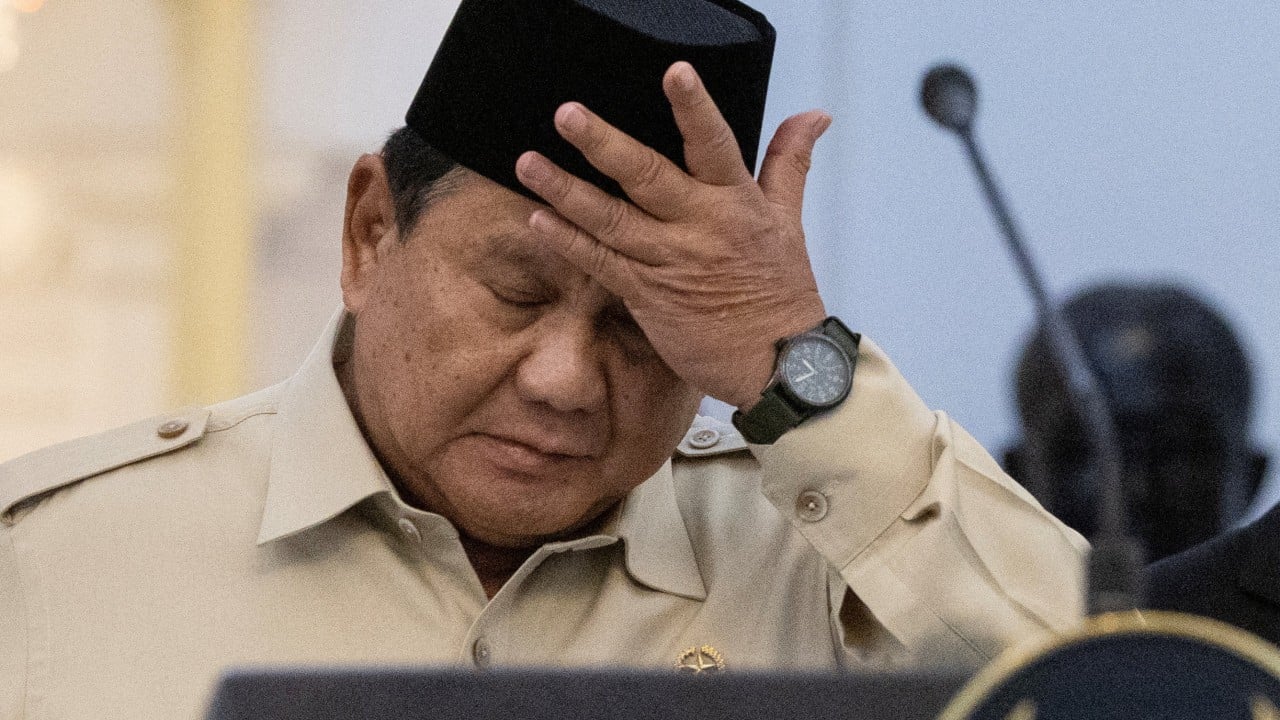
Indonesian President Prabowo Subianto’s apology to Singapore and Malaysia over haze from forest fires may signal a more conciliatory approach towards regional neighbours, analysts say – but they are divided on whether his rhetoric reflected a genuine return of diplomatic focus to Asean.
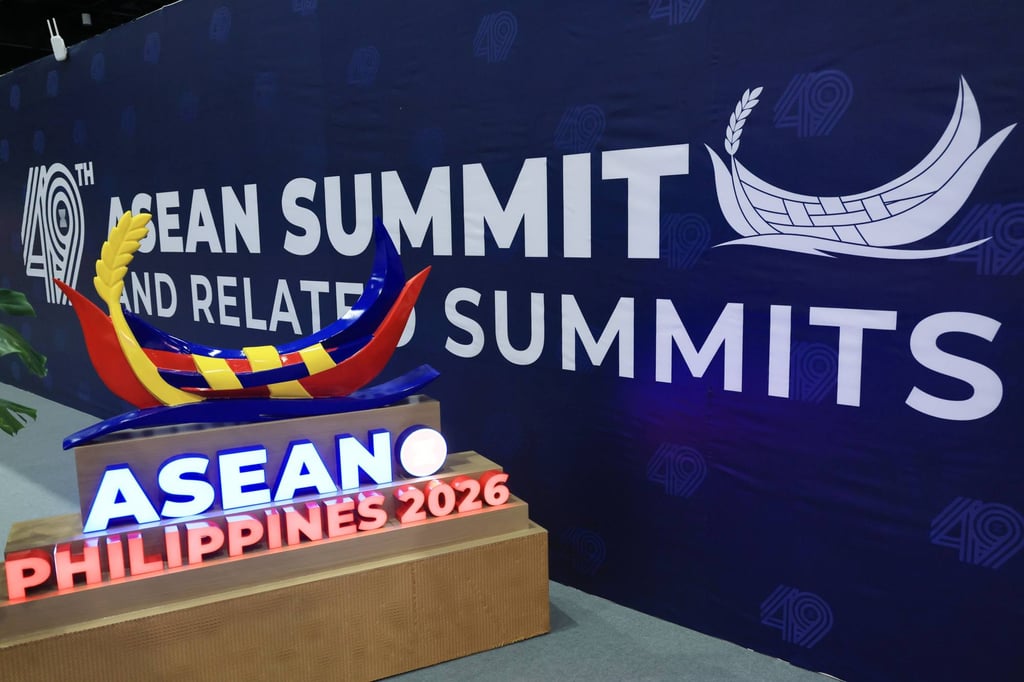
“I would like to apologise to my neighbouring countries, Malaysia and Singapore, when we had a very big forest fire which took nearly four months for us to control,” Prabowo told fellow leaders at Sunday’s plenary session of the 49th Association of Southeast Asian Nations summit in the Philippines.
While acknowledging the impact on neighbouring countries, Prabowo maintained that the fires were not Indonesia’s fault, saying his government had done its best to contain them.
The apology came as Prabowo called for greater Asean unity in the face of global “economic disruption, geopolitical tension, the weaponisation of trade and intensive competition for resources”.
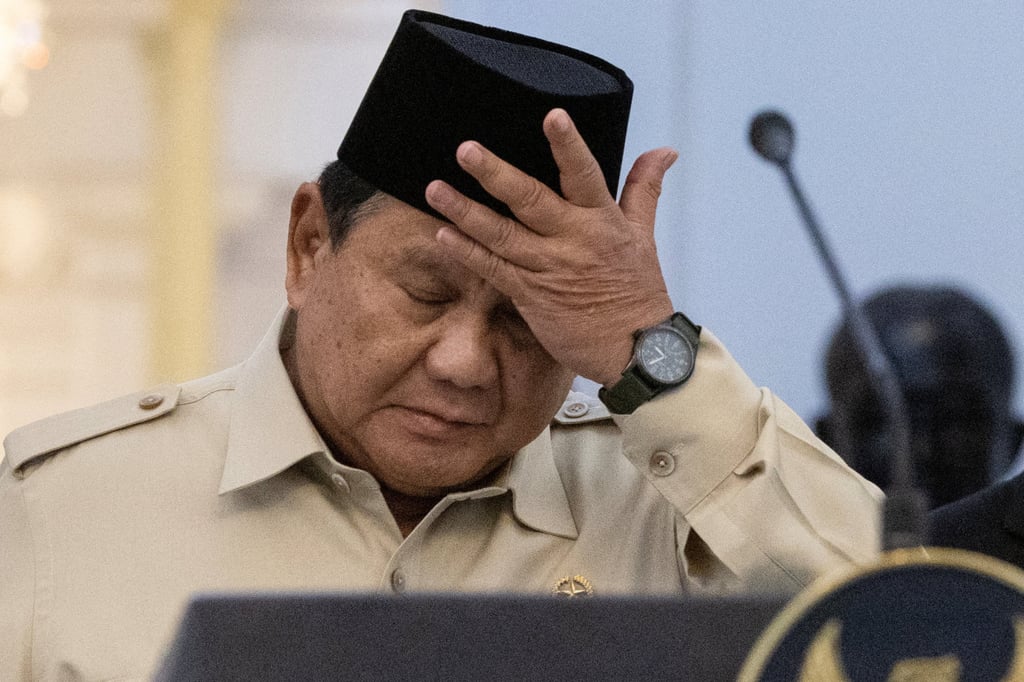
Yet he also stressed that “strength begins at home”, outlining his vision of food and energy self-sufficiency for Indonesia.
“If we take care of our own people, we can contribute more effectively in the multilateral field,” Prabowo said, adding that cooperation “has been central to securing peace” as Asean approached its seventh decade.
Government spokeswoman Jasmine Herawan said in a statement to local media that Prabowo’s focus on food and energy security was in line with the theme of this year’s summit: “Navigating Our Future, Together”.
“Indonesia urges cooperation to maintain people’s purchasing power, strengthen security and maximise economic opportunities across the region,” she said.
Vinsensio Dugis, who specialises in Southeast Asian politics and foreign policy analysis at the University of Airlangga in Surabaya, described Prabowo’s rhetoric as a “very subtle” pivot back towards Asean. “It remains to be seen whether this will continue since it is early days,” he said.
Other observers doubted that the speech represented a genuine change in foreign policy priorities.
Prabowo mentioned Asean centrality only once, invoking the principle that the bloc should be the driving force and main focal point of regional political and security arrangements. He used it to call on Asean to “safeguard peace, uphold dialogue and strengthen cooperation across our region”.
“The problem is not a lack of Asean rhetoric,” said Yohanes Sulaiman, an associate professor of international relations at Jenderal Achmad Yani University in Cimahi. “It is the lack of convincing evidence that this rhetoric translates into sustained political commitment.”
Yohanes said Prabowo “keeps saying ‘Asean is important’ but doesn’t walk the talk”, added that the president’s emphasis on national resilience being the basis for regional resilience was merely “repeating an old mantra” dating back to years immediately after Asean’s founding.
Merely attending an Asean summit isn’t a sufficient signal that he is reorienting his focus away from the great powers
Trystanto Sanjaya, a geopolitical analyst and visiting fellow at the Norwegian Institute of International Affairs, said he had seen no discernible change in Prabowo’s stance on Asean.
“Merely attending an Asean summit isn’t a sufficient signal that he is reorienting his focus away from the great powers,” he said.
Under Prabowo, Indonesia has cast a wider net in cultivating ties with great powers, joining Brics in January 2025 and US President Donald Trump’s “Board of Peace” the following year.
Trystanto said Jakarta had been “largely absent” from Asean’s recent diplomatic crises, such as last year’s Thailand-Cambodia border conflict. He contrasted this with the “shuttle diplomacy role” played by former foreign minister Marty Natalegawa, who salvaged a consensus after a 2012 foreign ministers’ meeting in Cambodia failed to issue a joint communique for the first time in the bloc’s history.
He also cited former foreign minister Retno Marsudi’s role in coordinating a special leaders’ meeting on Myanmar’s coup in 2021.
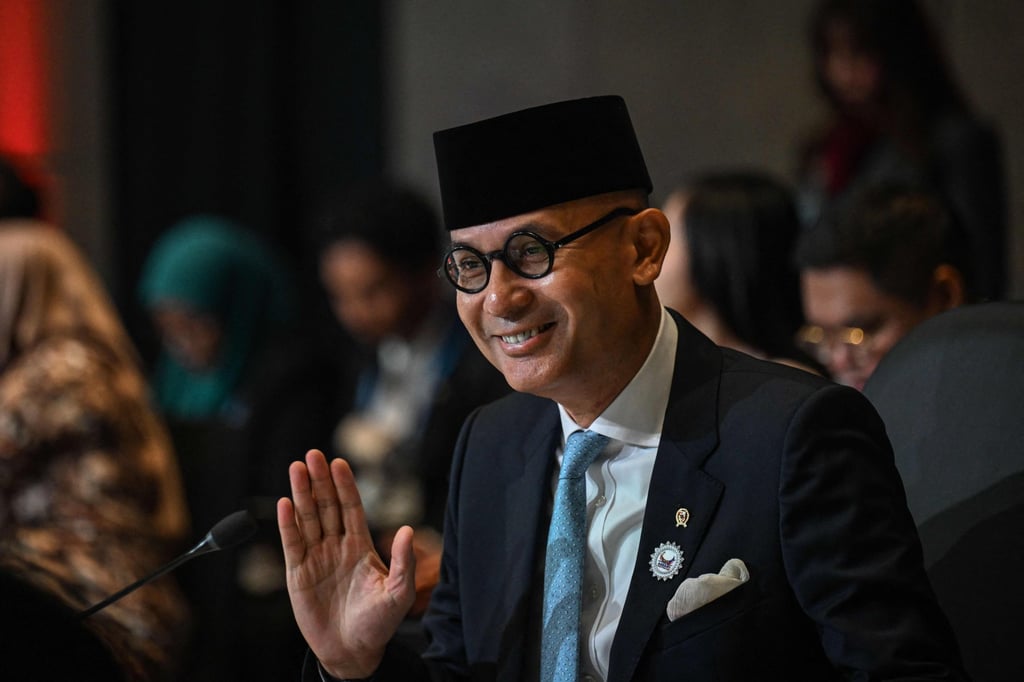
In the latest of several cabinet reshuffles since taking office in 2024, Prabowo appointed career diplomat Arrmanatha Christiawan Nasir as foreign minister on October 1, replacing Sugiono, widely described as a close protege of the president.
“If there’s indeed a shift [in the foreign policy direction], I’d attribute this to the influence of the new foreign minister,” Vinsensio said.
Trystanto urged Prabowo to do more than give Asean centrality a verbal nod. “I am thinking of something along the lines of a joint statement, in the case of a meeting between Prabowo and an official of a major power, which says both parties are willing to uphold Asean centrality.”
Economic priorities
While analysts debate the direction of Indonesia’s regional diplomacy, Jakarta’s economic priorities offer a more tangible indication of what Prabowo hopes to achieve through Asean.
Indonesia’s discourse throughout the summit has been dominated by its economic interests, particularly in energy security, food supplies and digital trade.
Jasmine said Indonesia’s main agenda items included accelerating ratification of the Asean Petroleum Security Agreement and strengthening the Asean Plus Three Emergency Rice Reserve in coordination with China, Japan and South Korea.
She also welcomed Saturday’s signing of the Asean Digital Economy Framework Agreement as a positive development that could “open up opportunities” for Indonesian small and medium-sized enterprises “so that they can access the Asean market more easily”.
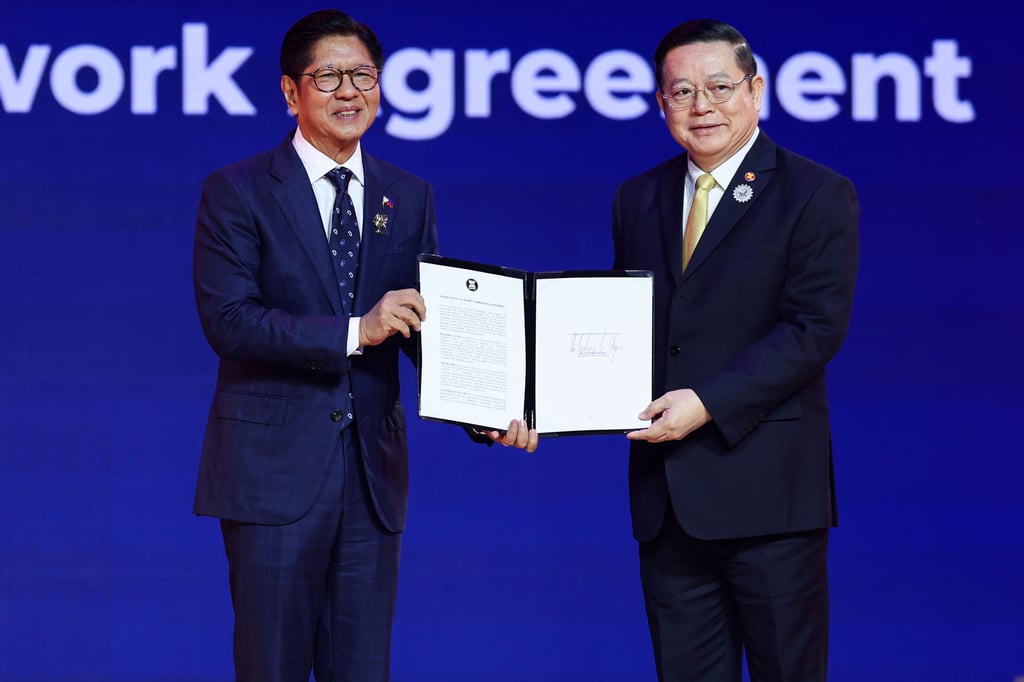
Prabowo was similarly enthused, calling the agreement in his speech “a great opportunity to ensure future growth, with the potential to unlock a digital economy worth US$2 trillion by 2030”.
Yohanes cautioned that Indonesia should not assume other Asean members shared its priorities. “There are competing interests,” he said. “For instance, Manila’s main concern is the South China Sea.”
Vinsensio said practical interests could explain Prabowo’s renewed interest in the bloc. “The president has probably found out that in times of emergency, fellow Asean countries are the ones Indonesia can turn to for tangible results,” he said, describing other forums such as Brics as “necessary but too far removed”.
Ultimately, Yohanes said he expected Indonesia’s national interests to prevail.
“Indonesia will put its own food and energy self-sufficiency first and treat Asean as a supplement, not a substitute,” he said.
KioskNews shows a cleaned-up reading view extracted from the publisher’s page — the original always lives on their site, not ours.