‘Why does my lower back hurt when I bend forward, but feel better when I stand or walk?’
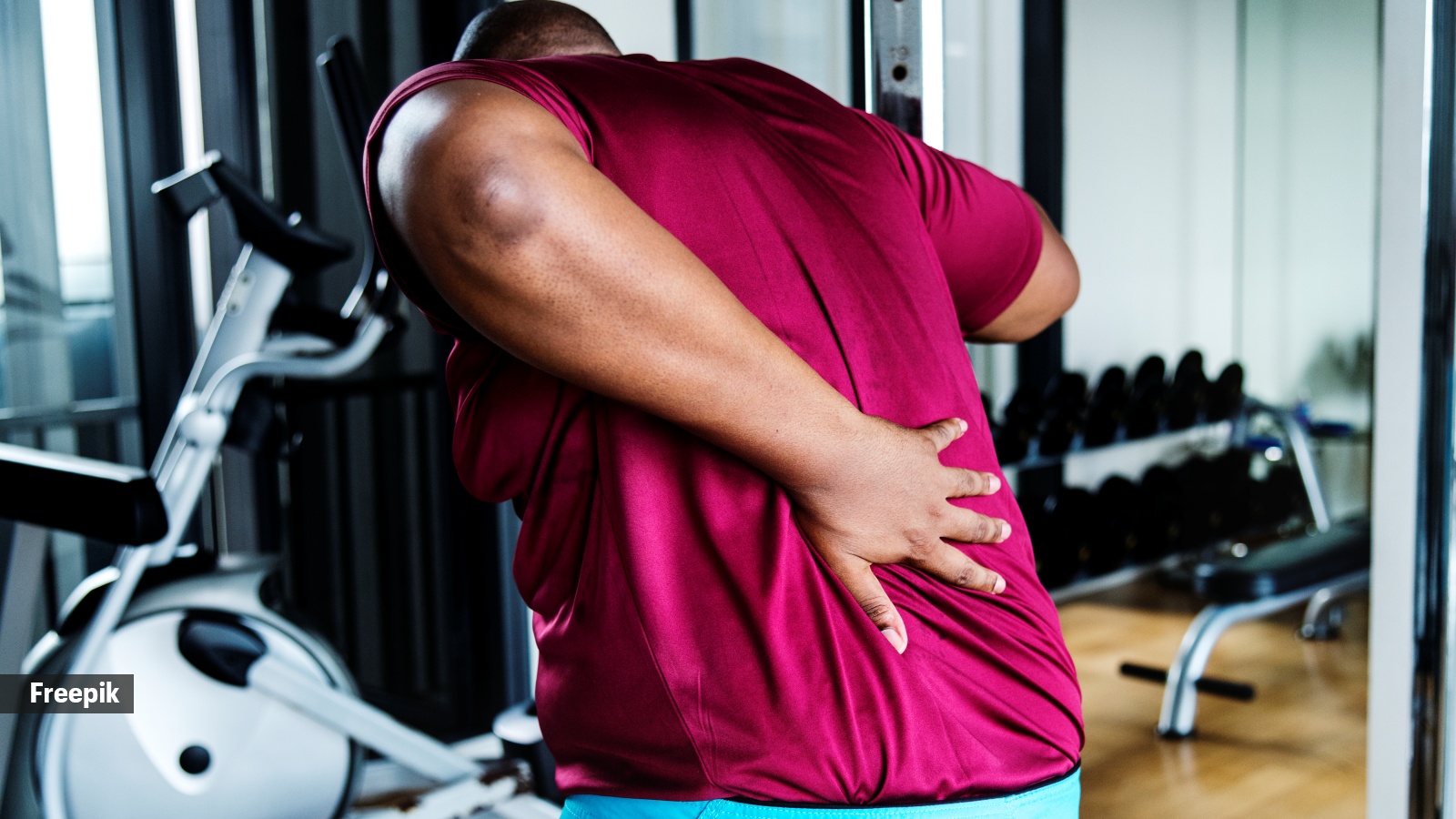
If your lower back hurts when you bend forward but feels better once you stand up or walk, you may wonder why changing your position makes such a difference.
A similar question troubled an internet user who turned to Quora for answers: ‘Why does my lower back hurt when I bend forward, but feel better when I stand or walk?’
We reached out to Dr Anup Khatri, Senior Consultant, Orthopaedics, Gleneagles Hospital, Parel, Mumbai, seeking answers.
DISCLAIMER: This article is based on information from the public domain and/or the experts we spoke to. Always consult your health practitioner before starting any routine.
What could be causing it?
“Pain that worsens on bending forward can occur when the muscles, ligaments, or discs in the lower back are being strained,” he tells indianexpress.com.
There are several possible reasons, and not all of them involve a serious spine problem. As Dr Khatri explains, poor posture, prolonged sitting, weak core muscles, incorrect lifting techniques and muscle strain can all contribute to this type of pain.
Similarly, a sudden increase in physical activity can also put additional stress on the lower back. In some people, disc-related problems or wear-and-tear changes in the spine may be involved.
Story continues below this ad
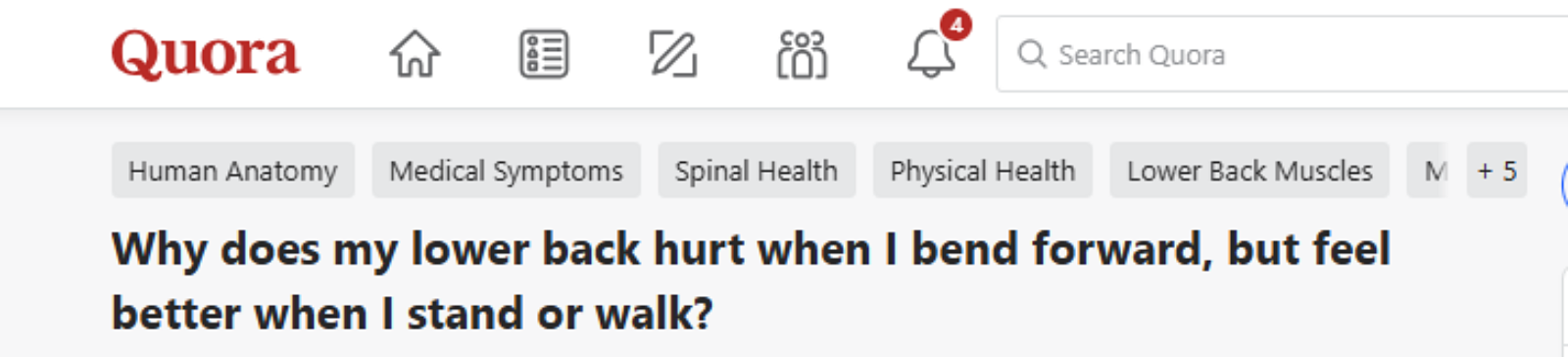 Screenshot of the query posted on Quora
“The exact cause depends on the symptoms, duration, and clinical examination,” Dr Khatri notes. This is why the pattern of pain alone cannot confirm whether someone has a muscle strain, disc problem or another spinal condition.
But then why doesn’t it come up while standing or walking? That might be because the “back is responding better to a more neutral position.”
How can you tell what may be causing the pain?
The other symptoms that accompany back pain can provide useful clues. “Muscle or posture-related pain is often localised and may improve with rest, gentle movement and correcting posture,” Dr Khatri says.
Pain that travels from the lower back into the buttock or leg is different. “Disc or spine-related problems may cause pain that travels into the buttock or leg, along with tingling, numbness or weakness,” he explains.
Story continues below this ad
However, these symptoms should not be used to self-diagnose a disc or spine problem. “Persistent or recurrent pain should be assessed rather than self-diagnosed.”
What can you do at home?
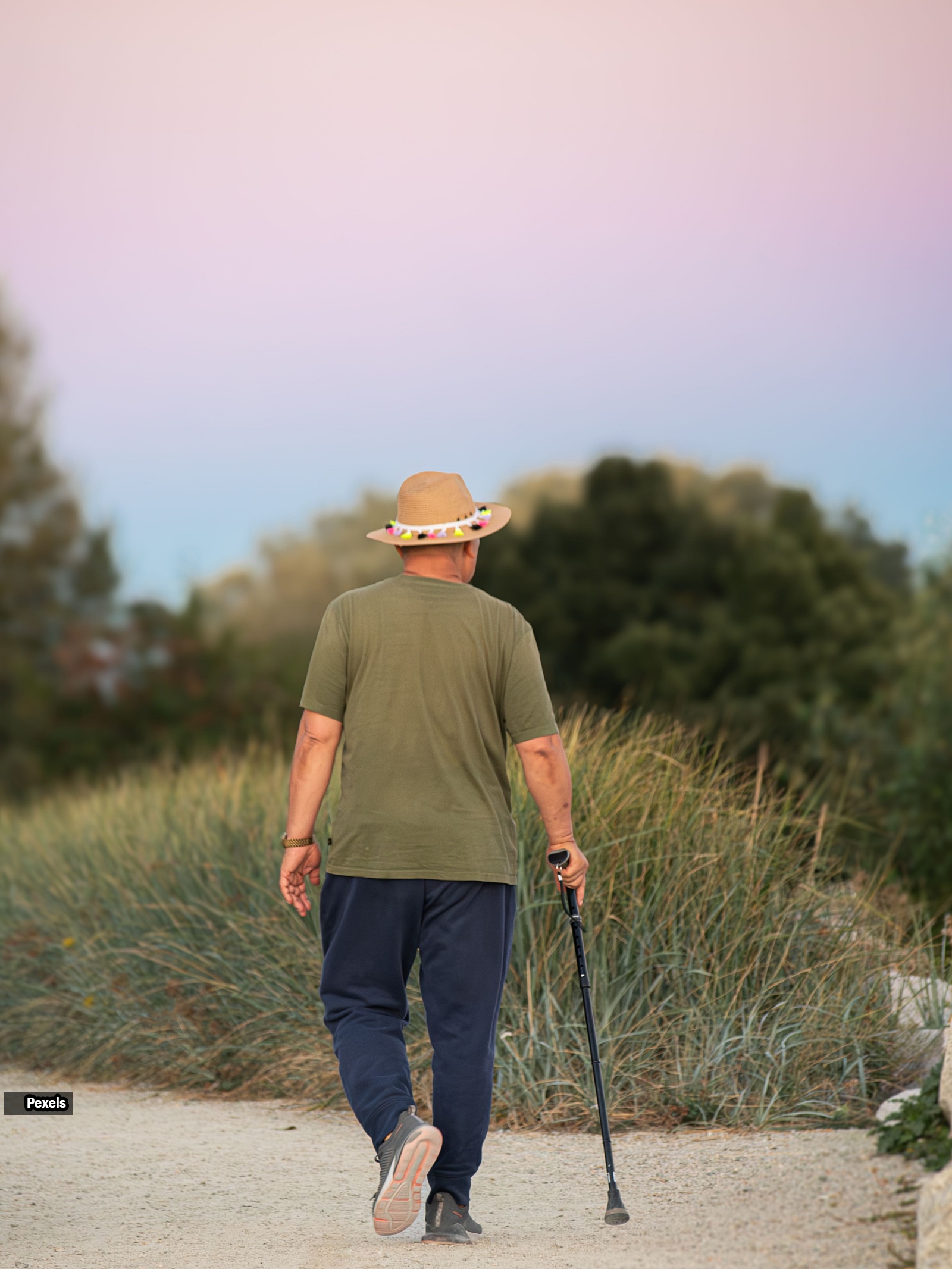 Short periods of relative rest, gentle walking, avoiding heavy lifting, and maintaining a comfortable posture can help (Image: Pexels)
For mild lower back pain, you do not necessarily need to stop moving altogether. Short periods of relative rest, gentle walking, avoiding heavy lifting and maintaining a comfortable posture can help.
Complete bed rest or avoiding all forward bending is generally not necessary unless a doctor advises it,” Dr Khatri further clarifies.
Instead, bend carefully and gradually, and avoid forcing a movement that increases the pain.
Story continues below this ad
When should you see a doctor?
If the pain is severe, keeps returning, persists despite simple measures or starts affecting your everyday activities, it should be evaluated by an orthopaedic specialist.
Pain that develops after a fall or injury, or is accompanied by symptoms in the legs, also warrants medical assessment.
Some symptoms should not be managed at home. “New or worsening weakness in the legs, significant numbness, loss of sensation around the groin or inner thighs, or difficulty controlling the bladder or bowel are important warning signs,” Dr Khatri says.
“These symptoms can indicate significant nerve compression and require urgent medical evaluation rather than home treatment,” the orthopedician concludes.
Story continues below this ad
DISCLAIMER: This article is based on information from the public domain and/or the experts we spoke to. Always consult your health practitioner before starting any routine.
KioskNews shows a cleaned-up reading view extracted from the publisher’s page — the original always lives on their site, not ours.