This Forgotten Masterpiece Influenced Many of the Best Fantasy Books of the Last 40 Years

David is a Senior Editor at Collider focused primarily on Lists. His professional journey began in the mid-2010s as a Marketing specialist before embarking on his writing career in the 2020s. At Collider, David started as a Senior Writer in late 2022 and has been a Senior Editor since mid-2023. He is in charge of ideating compelling and engaging List articles by working closely with writers, both Senior and Junior, as well as other editors. Occasionally, David also reviews movies and TV shows and writes episode recaps. Currently, David is also writing his second novel, a psychological horror satire that will, hopefully, be picked up for publication sometime next year.
Sign in to your Collider account
In the 21st century, few literary genres have been as universally beloved or impactful as fantasy. Arguably the oldest genre in any medium, fantasy remains a source of entertainment, thanks to its ability to immerse audiences in new, daring, magical worlds outside the confines of reality and defy every possibility. It's no surprise that countless fantasy books come out every year, and the genre shows no signs of stopping.
Modern fantasy stories usually fall into either hard or soft magic, depending on the book's worldbuilding. Hard magic refers to those systems that have rigorous, well-defined rules and limitations, establishing the reach and impact of the power clearly. Many popular authors, from Brandon Sanderson to Patrick Rothfuss, have greatly contributed to the development of hard magic this century. However, they owe everything to a seminal book from 1980: Lyndon Hardy's Master of the Five Magics, a foundational entry into modern fantasy and a clear predecessor of hard magic.
What Is 'Master of the Five Magics' About?

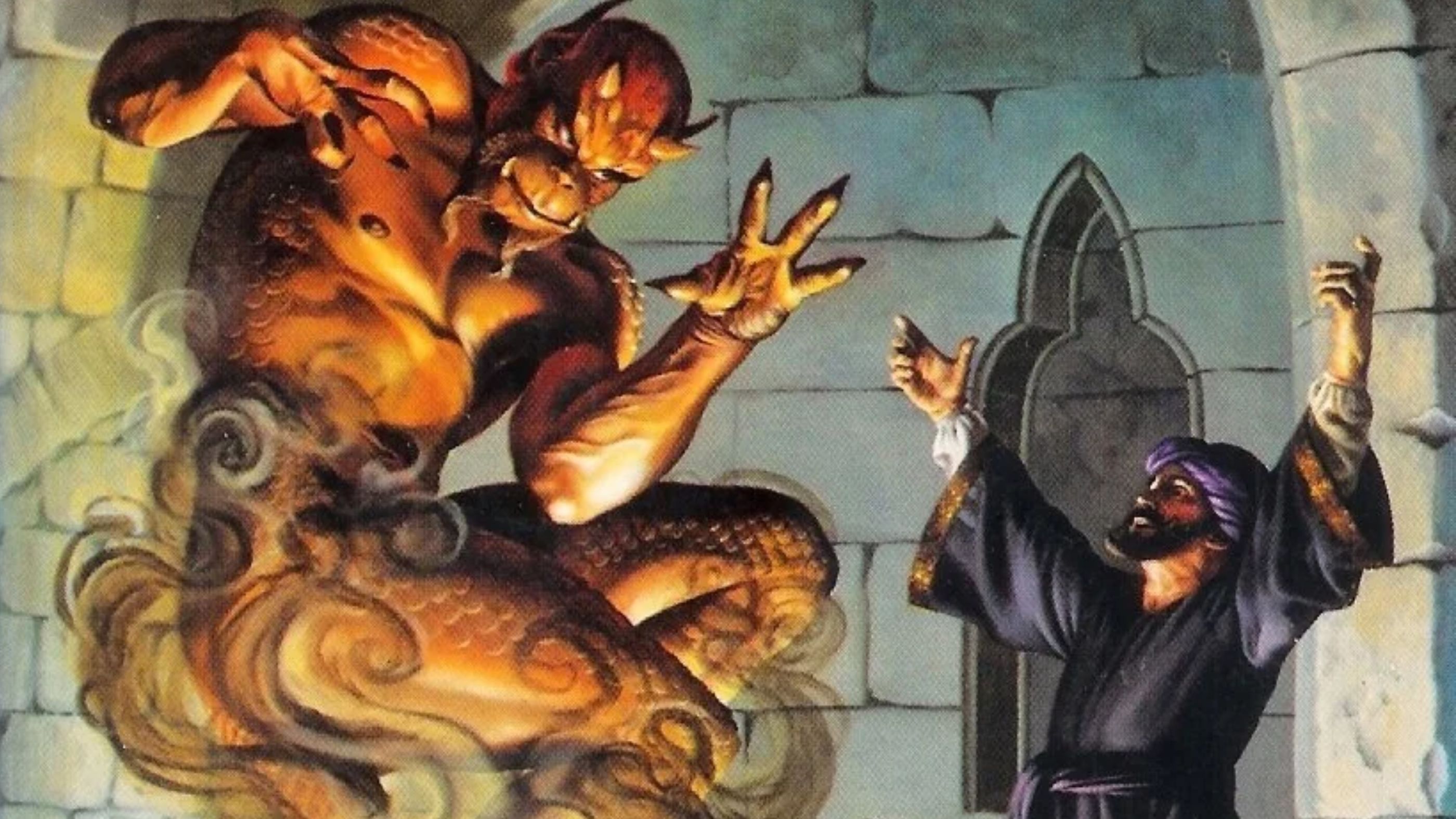
Set in the fictional land of Procolon, Master of the Five Magics centers on young Alodar, a humble man who seeks to earn the hand in marriage of Queen Vendora and restore his family's honor. To do it, Alodar goes on a quest to master the five known disciplines of magic: Thaumaturgy, contagious magic based on sympathy; Alchemy, potions ruled by probability; Magic, creation through strict formulas; Sorcery, mind control and illusion; and Wizardry, the long-forgotten art of summoning dangerous demons.
The book is divided into six parts. The first five are focused on each of the five disciplines, while the sixth one sees Alodar using everything he has learned to battle an imminent threat. Master of the Five Magics follows a classic hero's journey, to the point where Alodar ultimately chooses to abandon his marriage intentions and instead continues pursuing knowledge, hoping to one day reach the title of Archmage.
Collider Exclusive · 8 Questions · 2 Minutes What Fantasy World Do You Belong To? Middle-earth · Grand Line · The Continent · Camp Half-Blood
Pick your magic, your crew, where you want to wake up and who you would rather be fighting, and we will tell you which world you actually belong in. Four are open to you: an ancient kingdom living through its last good age, an endless sea full of pirates, a continent that pays people to kill monsters, and a summer camp where the Greek gods are extremely real and mostly a nuisance.
💍Middle-earth(Rings of Power)
👒Grand Line(One Piece)
🐺The Continent(The Witcher)
🔱Camp Half-Blood(Percy Jackson)
01
What kind of power do you want? Every one of these worlds runs on a completely different sort of magic.
02
Who is travelling with you? Nobody gets through any of these stories entirely on their own.
03
Where do you want to wake up tomorrow? The best fantasy is usually just somewhere you would genuinely like to live.
04
How are you making a living out there? Even in fantasy somebody has to pay for the horse.
05
There is something in the woods. What do you do about it? All four of these worlds keep something unpleasant out there in the dark.
06
Who is the villain of your story? The enemy tells you far more about a world than the hero ever does.
07
What do you actually believe in out there? Every world hands its heroes one rule and asks them to hold onto it.
08
A thousand years from now, how are you remembered? Eight questions in, this is the one that decides your world.
The Map Is Drawn Your World Is…
Four worlds and four completely different ideas of what a good life looks like. This is where you belong, what it would ask of you, and what you would get back in return.
Middle-earth
You belong somewhere old enough that the mountains have names and somebody can still tell you who gave them. Middle-earth is for people who think the right thing is worth doing even when it will not be finished in their lifetime.
- This is the only world on the list where doing good is understood as a very long defeat, fought anyway, by people who will never see how it ends.
- You are drawn to grandeur, to white cities and deep forges and the sense that almost everything you touch is older than your entire family line.
- The Rings of Power is set in the last good age before it all goes wrong, which gives every quiet scene in it a slightly unbearable weight.
- You would take the hard road, and you would take it on foot.
The Grand Line
You want the sea, a crew, and absolutely nobody telling you where you are allowed to go. The Grand Line is the world for people whose main ambition in life is finding out what is over there.
- One Piece has run for decades on one very simple engine, which is a group of people who each want something impossible and have decided to go and get it together.
- You collect people. Your ideal crew is a set of misfits who were each written off somewhere else before you turned up and offered them a better idea.
- The world is enormous and deliberately ridiculous, and the emotional gut punches land harder because of that rather than in spite of it.
- You would set sail knowing the map runs out, which is more or less the entire point of it.
The Continent
You would rather be feared and useful than liked and useless. The Continent is a world where the monsters are the straightforward part of the job and the people are where it all gets complicated.
- Witchers get paid to do what nobody else will and resented for existing at all, which is a trade most people would refuse and you would probably accept.
- You have no real illusions about which side is the good one, largely because on the Continent that question tends to have a disappointing answer.
- The best of these stories are not about the fighting. They are about somebody with a rigid code being repeatedly cornered into caring about people.
- You would take the coin, finish the job properly, and be out of town before the story got told wrong.
Camp Half-Blood
You want the myths to be real and loose in the actual world, and you want to find out at about thirteen that you were never anywhere near as ordinary as everybody kept telling you.
- Percy Jackson takes the oldest stories we have and drops them into car parks and diners, which makes the gods considerably funnier and a great deal worse.
- You would be the kid every school gave up on, who turns out to have been built for something nobody thought to test for.
- The series is genuinely about friendship rather than destiny, and it says so out loud every time a prophecy tries to get in the way.
- Camp Half-Blood is the real fantasy here: a place where the thing that made you difficult everywhere else is the thing that makes you belong.
'Master of the Five Magics' Pioneered Hard Fantasy

Today, most fantasy authors stick to either hard or soft magic. As previously mentioned, hard magic refers to a strict system governed by established rules and with well-defined boundaries that make the power both more immersive and far more daunting as a reader. In contrast, soft magic refers to magic that is far more elusive and mystical; parts of it are unclear, with the author deliberately keeping them a secret, thus making it feel more ancient, alluring, and mysterious. Think of the Force in Star Wars or the magic of the old gods in A Song of Ice and Fire: you don't fully understand it because Lucas and Martin don't want you to.
Considering these definitions, we can safely say Master of the Five Magics falls strictly in the hard magic category. In fact, it's among the earliest books to establish a carefully constructed magic system with a conscious reasoning behind each of its disciplines. Take Alchemy, which is governed by the Doctrine of Signatures: it establishes that each ingredient has specific physical attributes, which in turn dictate the powers of a potion. Magic creates objects through formulas that must be perfect; any flaw will result in failure, and the objects created under the right conditions will last forever. For Wizardry, fire is the key to opening the portal to the realm of demons. The Law of Dichotomy states that, once a demon appears, a contest of wills will determine who is the slave and who is the master; there must always be one of each.
The worldbuilding here is nothing short of impressive. Hardy spends considerable time establishing the rules of each discipline; the real magic, however, is how his writing never becomes didactic despite being admittedly dry, instead remaining engaging and immersive. In a way, Hardy is the perfect teacher, making us feel just as Alodar, as if we were actually learning each discipline of magic alongside him. The creativity on display is astonishing, with the book establishing many of the traits and conventions that would become popular in fantasy in the following decades.
'Master of the Five Magics' Has Influenced the Work of Many Fantasy Giants
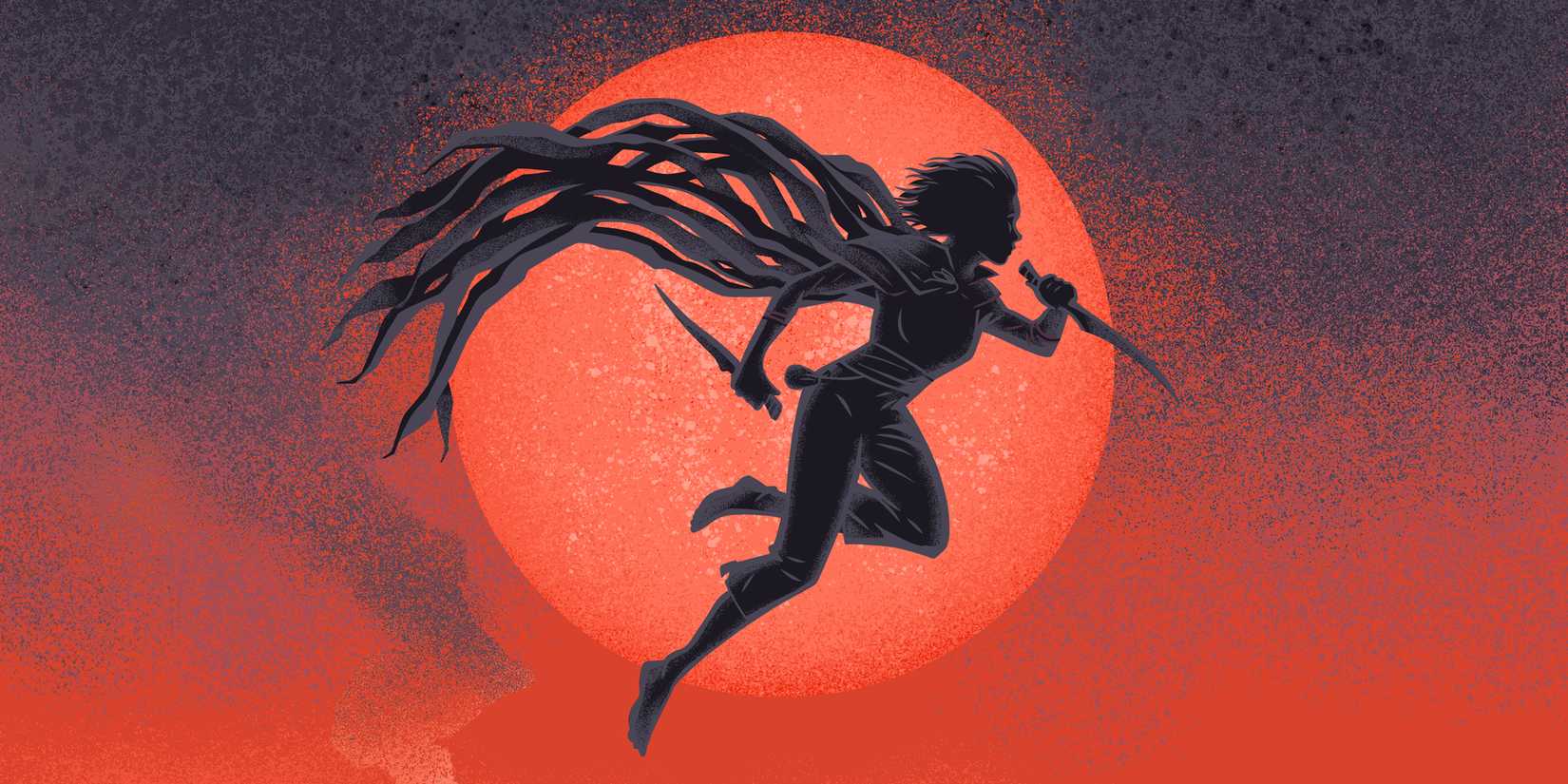
Following Tolkien's success, mid-20th-century fantasy kept things elusive, with magic benefiting from suggestion rather than confirmation. From the '80s on, and largely influenced by authors like Hardy and Robert Jordan, magic systems became more structured and rule-governed. Today, we can see footprints of Master of the Five Magics in many of modern fantasy's best and most highly regarded works.
For starters, many of Brandon Sanderson's acclaimed books can be traced back to Master of the Five Magics. Like Hardy, Sanderson lives for the strict magic systems that thrive on organization and structure. The metal-influenced system of the Mistborn saga follows a rigorous set of rules, with the type of metal determining the outcome of the magic. Similarly, the Stormlight Archive's Surgebinding sees practitioners use Stormlight to manipulate one of the 10 surges. That's the gist of it, but the intricacies of this system are far too many to explain in just one paragraph.
Authors like Patrick Rothfuss, best known for his masterful Kingkiller Chronicle trilogy, openly cited Hardy and Master of the Five Magics as an inspiration. Similarly, Richard Garfield, creator of the popular card game Magic: The Gathering, was inspired by Hardy when crafting the game's five-color model. Here, we have three creators behind some of the best and most acclaimed fantasy works of the last 40 years, all united by their appreciation of Master of the Five Magics, with two even directly citing it as a crucial work behind their own creations. That's no small feat, and it only cements Hardy's book as one of the foundational building blocks upon which all modern fantasy rises.
Sadly, Master of the Five Magics doesn't enjoy the same recognition or enduring popularity as the works it inspired. Yet, it's never too late to rediscover a masterful book, and hidden gems are always ready to be dug out. Hardy's masterpiece might not be the best fantasy book by modern standards — the writing can get a bit dry, and its plot conventions will not be as groundbreaking to modern readers — but it remains a crucial turning point for the genre as a whole. Those who love fantasy are bound to experience it at least once in their lives, but Master of the Five Magics is a must-read even for those who are only casual fans. After all, how often do you get to feel like an actual magic student? It doesn't get much better than that.
KioskNews shows a cleaned-up reading view extracted from the publisher’s page — the original always lives on their site, not ours.