UK supermarkets are selling salmon fed on chicken. Here’s why
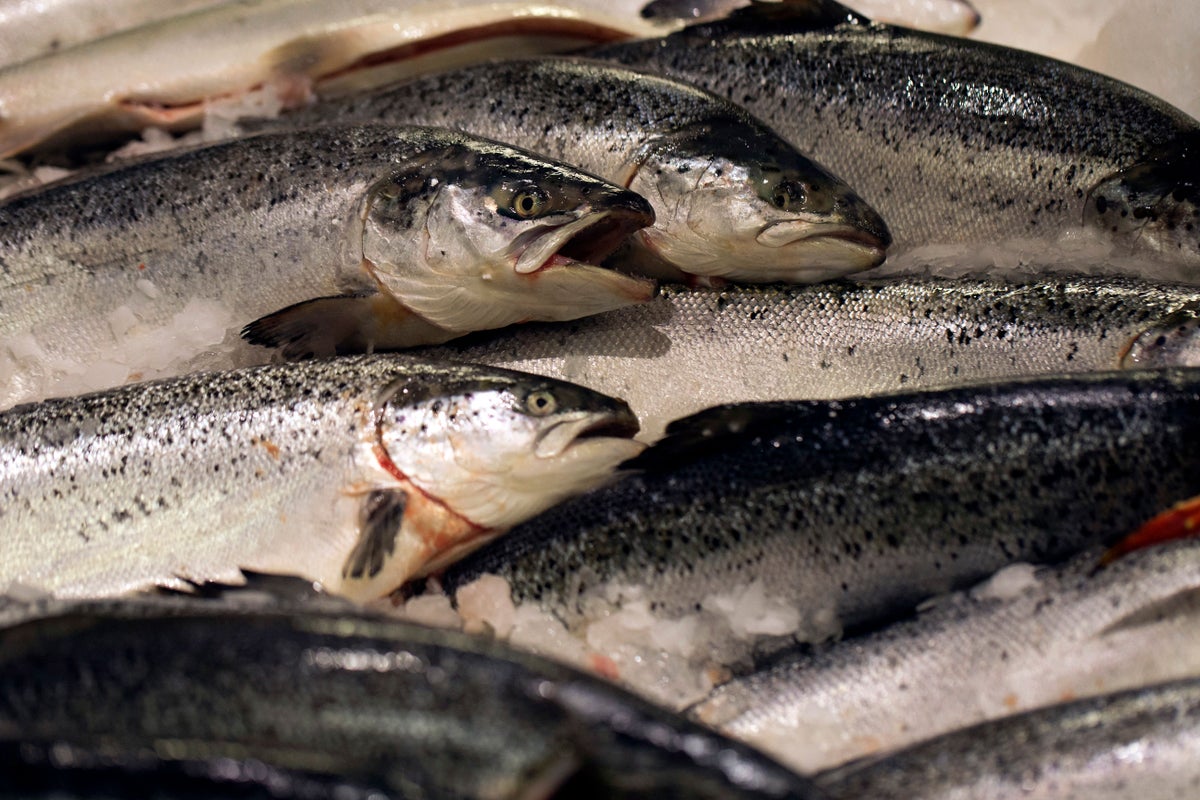
British shoppers might be buying salmon raised on chicken as major producers switch to cheaper and more sustainable feed options.
Some UK supermarkets have previously ruled out selling chicken-fed salmon to customers, but in recent months, a growing number of European suppliers have started feeding their fish with poultry byproducts.
Lerøy Seafood Group, which supplies to Tesco, is among the latest to introduce poultry-derived ingredients into its feed and says the shift has helped reduce its carbon footprint.
Jørgen Skeide, from the Norwegian seafood corporation, told The Independent: “The availability of marine raw materials is limited, and a broader range of feed ingredients will be needed if we are to continue producing seafood responsibly in the future.
“Introducing poultry-derived ingredients is not necessarily about replacing marine ingredients on a one-to-one basis. Rather, it is about reducing our dependence on a limited range of raw materials.”

Mr Skeide said he understood poultry-derived ingredients would be “unfamiliar” for consumers, but said it met requirements for fish welfare, food safety, product quality and environmental performance.
He said Lerøy Seafood Group only approves poultry by-products from animals produced for human consumption, using the parts that are not consumed by people.
In July, Norway’s Grieg Seafood also introduced chicken meal into its feed amid rising costs. SalMar, the world’s second-largest salmon producer, started testing poultry-based feed in March.
British retailers are not required to list fish feed ingredients on the packaging of any animal products.
Sophie Ryan, chief executive of Global Salmon Initiative, said feed was one of “the biggest sustainability challenges in salmon farming” and using chicken byproducts could be a more eco-friendly practice for many producers.
“Poultry meal and oil are made from the parts of chickens that people don’t eat. Typically, after processing, these parts are discarded to the landfill and wasted,” she added.
Ms Ryan said it was understandable if consumers were “surprised” to learn that their fish has been fed with chicken, but believes it can “offer the benefit of reducing environmental footprint and improving circularity, while maintaining the nutritional value”.
Heather Richie, an expert in seafood retail and EU fisheries policy, said consumers should be able “to decide for themselves whether they are comfortable with the practice”.
She added: “Where a production method might influence someone’s purchasing decision, there is a reasonable argument for making that information accessible. Consumers should not have to investigate the entire supply chain to find out how their food was produced.
“Supermarkets have considerable influence because they set the standards their suppliers must meet... if a retailer has previously excluded poultry-derived ingredients from its salmon, it is reasonable to ask whether that policy still stands. If it changes, customers should be able to find out.”
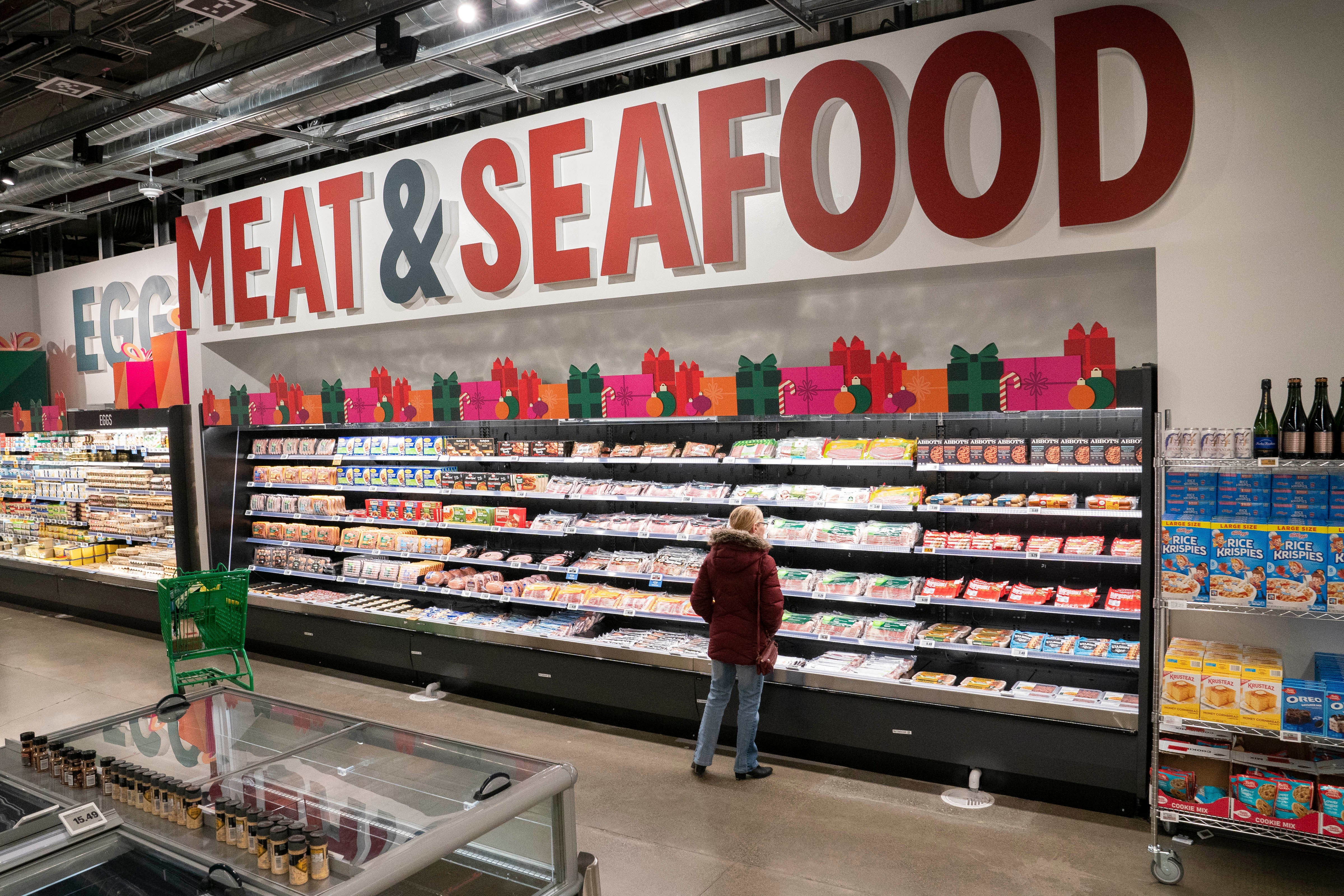
Jim Bligh, a director of food policy at the British Retail Consortium, said: “All fish feed is licensed and strictly controlled by the Food Standards Agency.
“Retailers work closely with their suppliers to source more sustainable feed, taking into account factors such as the environmental impact of ingredients and alternative options that can reduce the pressure on wild-caught fish species.”
Sainsbury’s said it did not permit poultry-derived ingredients in feed used for its own-label salmon.
Waitrose also said it did not use poultry protein in feed for its salmon.
Tesco, which has previously prohibited poultry-derived meal and oil in fish feed, did not respond to a request for comment, and Asda referred to the statement from the British Retail Consortium.
KioskNews shows a cleaned-up reading view extracted from the publisher’s page — the original always lives on their site, not ours.