Laos faces calls to spur reforms after exit from least developed country list

Laos may have attained its long-standing goal of graduating from the United Nations’ least developed country (LDC) category, but still faces major challenges in implementing much-needed reforms and achieving sustainable long-term economic growth, according to analysts.
UN Trade and Development, which is tasked with helping developing countries integrate into the global economy, announced Laos’ elevation on Tuesday, five years after the General Assembly gave its approval for the change.
Laos is said to have met all three graduation thresholds – national income, health and education, and vulnerability to economic and environmental shocks – following a UN review in 2024.
Originally designated an LDC in 1971, Laos is the first Southeast Asian country and the ninth worldwide to have graduated from the status. Cambodia, Myanmar and East Timor are still classified as LDCs.
Despite its status upgrade, Laos was only “partially prepared” for a smooth and sustainable economic transition, said Norihiko Yamada, deputy director general at Japan’s Institute of Developing Economies.
While Bangladesh and Nepal obtained a three-year postponement of their LDC graduation to November 2029 after requesting a delay in October, citing economic vulnerabilities, Laos did not do so.
“This does not necessarily mean that Laos is in a stronger position,” said Yamada, adding that Bangladesh performed better than Laos on all three graduation thresholds, while Nepal was ahead in two.
According to Yamada, there is also a political dimension, after the ruling Lao People’s Revolutionary Party made the country’s graduation a national goal in 1996. Graduation “reinforces the party’s legitimacy and its narrative of national development” for having achieved the economic milestone, he added.
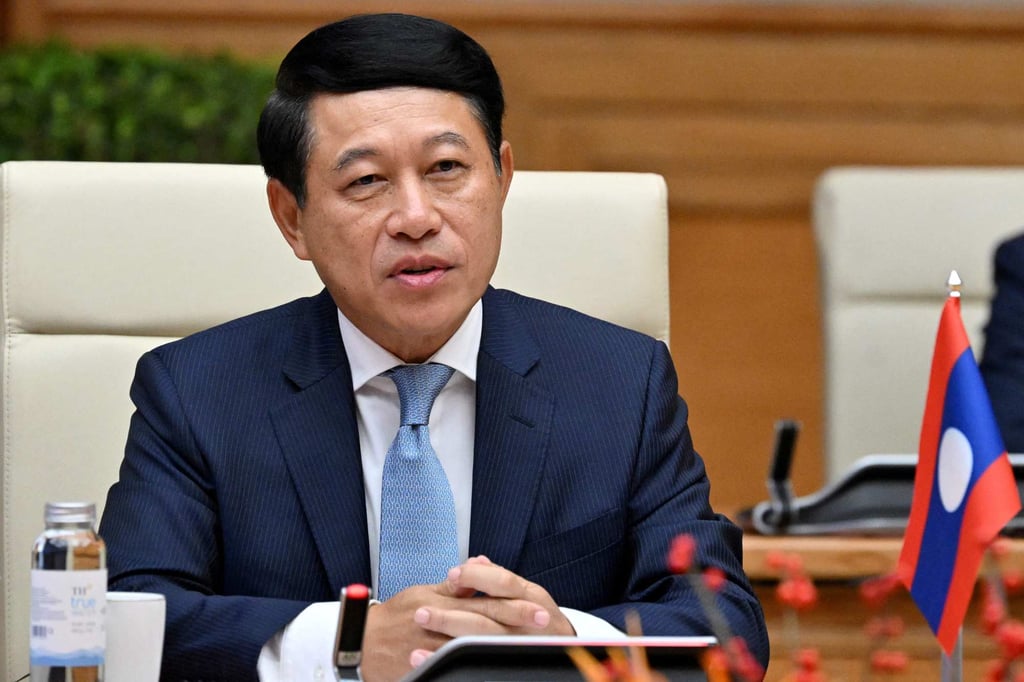
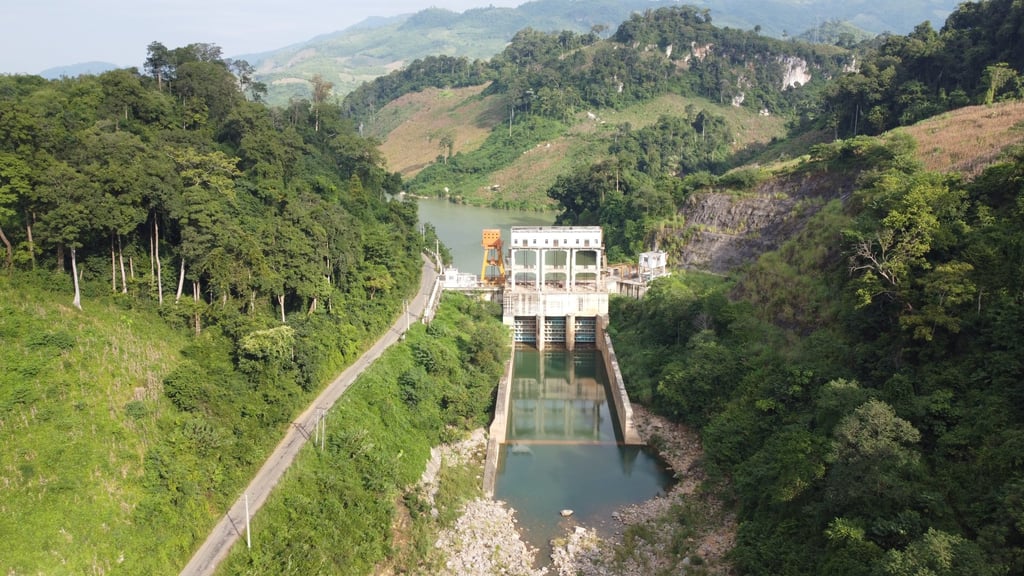
Yamada warned that Laos remained reliant on hydropower exports and mining of its natural resources to drive its economy while its financial position was still precarious.
“Economic diversification remains limited, while the investment climate has not improved enough to attract large-scale manufacturing investment comparable to that seen in countries such as Vietnam or Cambodia,” he said.
“Public debt remains high, foreign-exchange reserves remain relatively constrained, and although the Lao kip [currency] has stabilised compared with the height of the economic crisis, it remains weak.”
Oliver Tappe, a senior researcher at the Global South Studies Centre at the University of Cologne, said graduating from LDC would pose a challenge for the country’s manufacturers, as they could lose duty-free access or face higher tariffs.
Non-profit groups dependent on international aid could also be affected by the upgrade, Tappe said.
Another major challenge is the significant shortage of skilled Laotian workers in the country, according to Tappe.
About 300,000 documented Laotians were working abroad, with up to 95 per cent of them in Thailand, according to data from the Laotian government and Thailand’s Ministry of Labour.
Compounding the problem was Laos’ underfunded education system, with school dropouts increasing and university enrolments falling, Tappe said.
The challenges faced by Laos’ resource-reliant economy meant attaining middle-income status down the line would be difficult, he added.
Dubbed the “battery of Southeast Asia”, Laos’ electricity exports rose to US$2.6 billion last year, or almost one-fifth of total exports.
Laos was also facing economic pressures arising from the Ukraine war, the energy supply shock and the El Nino weather phenomenon, said Kanni Wignaraja, the UN Development Programme’s (UNDP) regional director for Asia and the Pacific.
On a positive note, the country’s prudent monetary measures have helped ease its currency and inflationary pressures, according to Wignaraja.
A potential cut in funding from the Overseas Development Assistance programme for Laos, however, should spur Vientiane to make better use of those funds through selective approval of projects and more public-private partnerships, Wignaraja said.
UNDP has estimated that Laos, which received US$600 million from ODA annually on average in recent years, could see its funding from the programme cut by 10 to 15 per cent due to global aid cuts.
Given the external challenges, Laos should accelerate its economic diversification beyond natural resources and grow its sectors such as agribusiness, tourism, light manufacturing and logistics, according to Wignaraja.
“Investments in infrastructure have to go hand in hand with building capacities to deliver swift logistics, trade and investment facilitation services. This should be accompanied by advancing the digitalisation of public services and using data to anticipate and forecast risks and opportunities too,” Wignaraja said.
Yamada said that Laos’ pursuit of a broad-based economy should also entail expanding its market reach beyond China, a major buyer of agricultural products, minerals and electricity from the Southeast Asian country.
The pursuit of closer economic cooperation between Laos and the United Arab Emirates, such as in energy, as well as Vientiane’s recently upgraded status as a dialogue partner in the Shanghai Cooperation Organisation, could help widen the country’s growth opportunities, Yamada said.
Laos should take advantage of its LDC graduation by implementing major reforms to build a more diversified and competitive economy, he added.
“If those reforms succeed, graduation could become a genuine development milestone. If they do not, the country’s underlying vulnerabilities will remain largely unchanged despite its new status,” Yamada said.
KioskNews shows a cleaned-up reading view extracted from the publisher’s page — the original always lives on their site, not ours.