Driverless trains gain momentum as U.S. cities weigh automation costs
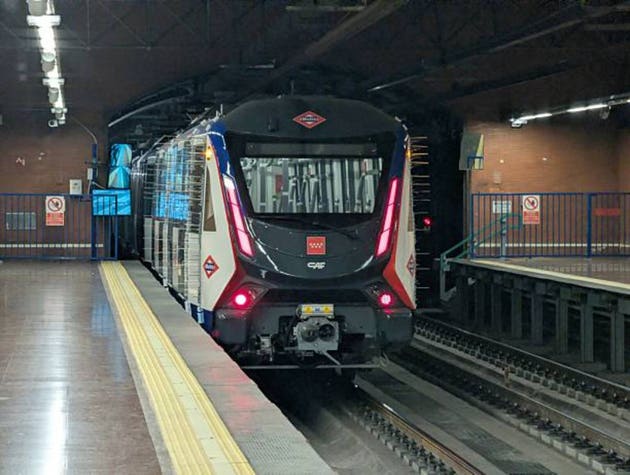
Javier Paredes Perez/iStock Editorial via Getty Images
Major U.S. transit systems are considering replacing human train operators with automated technology, potentially opening new opportunities for transportation equipment suppliers while raising questions about safety, labor costs and infrastructure spending.
Washington, D.C., is advancing plans to automate its Metro Red Line, while Los Angeles is evaluating a driverless subway beneath the Santa Monica Mountains, the Associated Press reported. Honolulu already operates an automated elevated rail system, putting it ahead of most major American cities.
For investors, the shift could create opportunities for rail technology companies, signaling equipment manufacturers and infrastructure contractors as transit agencies modernize aging networks. Automation promises lower long-term operating expenses and more frequent service, although substantial upfront investments, regulatory requirements and labor opposition could delay projects and limit potential returns.
Washington's transit authority has backed a nearly $1 billion proposal to upgrade its Red Line with technology that could eliminate the need for onboard operators as early as 2033. The project includes platform barriers designed to prevent passengers from entering the tracks, along with other safety improvements.
The initiative follows the restoration of automated train-control features that were suspended after a 2009 collision near Washington's Fort Totten station killed nine people. Investigators attributed the crash to a failure in the signaling system responsible for maintaining separation between trains, rather than the automated speed-control technology subsequently reinstated.
Honolulu's Skyline system, which opened in 2023 and expanded last year, offers an example of driverless transit already operating in the United States. The elevated network is expected to reach 19 miles (ca. 31 kilometers) when completed, and officials say its automated operations haven't caused any crashes or injuries.
Los Angeles, meanwhile, is conducting an environmental review of a proposed automated subway connecting the San Fernando Valley with the Westside employment district. The project would use shorter trains operating more frequently, with platform doors intended to improve passenger safety.
Transit unions remain skeptical, warning that eliminating onboard operators could complicate emergency evacuations and create additional safety risks. Supporters counter that automated rail systems, already common in parts of Europe and Asia, could improve reliability and reduce human error, potentially encouraging other U.S. cities to pursue similar investments.
KioskNews shows a cleaned-up reading view extracted from the publisher’s page — the original always lives on their site, not ours.