Ibuprofen, decongestants, and antacids: Everyday medicines people with high blood pressure should avoid
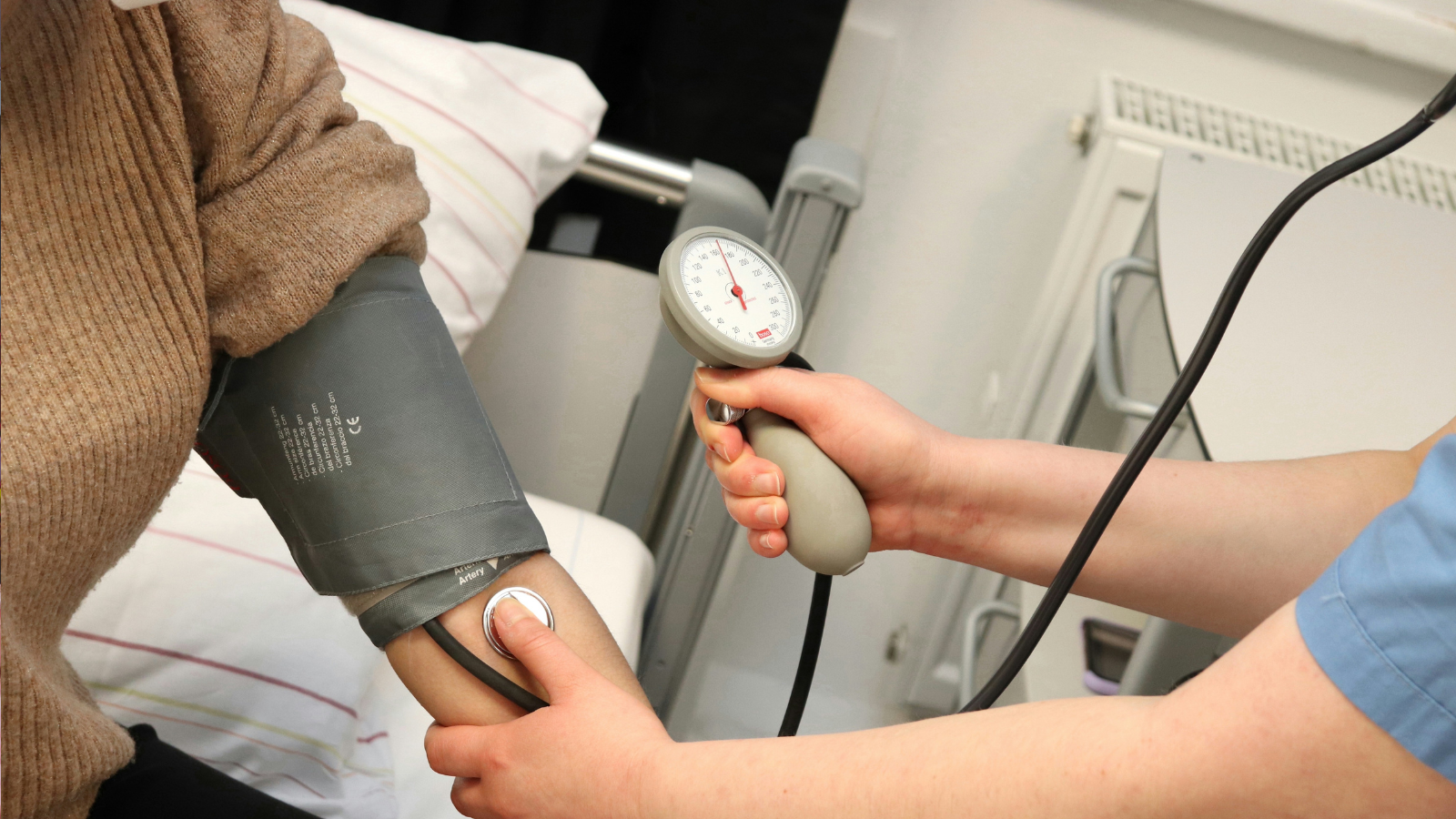
Some commonly used medicines, including certain painkillers and cold medicines, may raise blood pressure when used frequently. (Image Source: Unsplash)
If you have high blood pressure, you must take your prescribed medication regularly—but also know what may interfere with your blood-pressure control. Some commonly used medicines and supplements can raise BP or reduce your treatment’s effectiveness.
DISCLAIMER: This article is based on information from the public domain and/or the experts we spoke to. Always consult your health practitioner before starting any routine.
So, what are the medicines you should watch out for
Dr Sanjeev Chaudhary, Chairman – Cardiology, Marengo Asia Hospitals, Gurugram, lists the following:
- Painkillers such as ibuprofen, diclofenac and naproxen, when used frequently, can cause fluid retention and raise blood pressure. People with hypertension should avoid taking these medicines routinely without medical advice.
- Some cold and flu medicines, particularly decongestants containing pseudoephedrine or phenylephrine, can also increase BP and heart rate.
- Certain steroids, some hormonal medications and a few psychiatric medicines may affect blood pressure as well.
- Even medicines that appear harmless can matter: excessive use of antacids containing sodium, for example, can contribute to sodium intake.
 Herbal supplements and stimulant-based products are not automatically safe for people with hypertension. (Image Source: Unsplash)
The same caution applies to supplements.
Dr Sanjeev says, “Natural does not automatically mean ‘safe’. Products containing liquorice (mulethi), ginseng or ephedra, and some so-called energy or weight-loss supplements may increase BP or interfere with cardiovascular medicines. High doses of caffeine and stimulant-containing pre-workout products can also cause temporary rises in BP.”
It is also important to watch salt-containing effervescent tablets and supplements, particularly in people with hypertension, heart failure or kidney disease.
The safest approach, Dr Sanjeev says, is simple: Before starting any new medicine, supplement, herbal preparation or over-the-counter product, check with your doctor or pharmacist. Never stop your prescribed BP medication on your own. Good BP control depends not only on taking the right medicine, but also on avoiding substances that quietly work against it.
Story continues below this ad
DISCLAIMER: This article is based on information from the public domain and/or the experts we spoke to. Always consult your health practitioner before starting any routine.
KioskNews shows a cleaned-up reading view extracted from the publisher’s page — the original always lives on their site, not ours.