UN report a timely reminder of urgent need for climate change reforms
Sydney’s balmy start to spring brought out magnolias, wattles and beachgoers, reminding us that a flat white in the morning sun was one of life’s joys. But grim statistics and facts lurk beyond the pleasures.
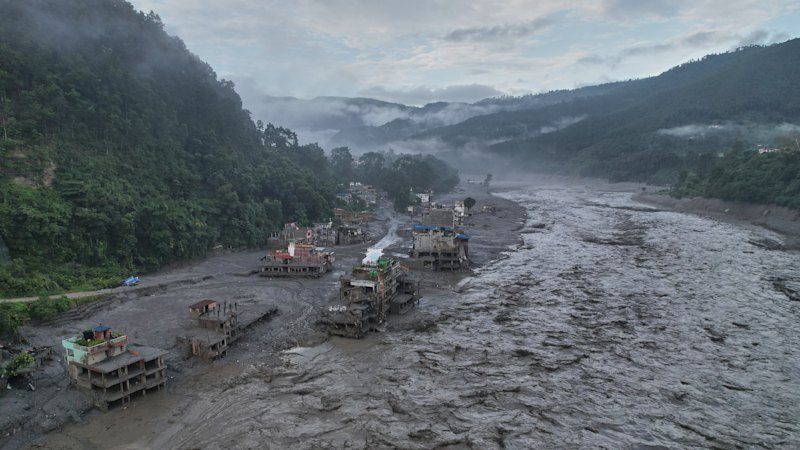
Sydney just experienced its warmest winter on record; in the northern summer, parts of Europe caught fire. Meanwhile, Antarctica fur seal and Emperor penguin numbers are crashing. An enormous mass of bedrock and glacier ice broke from a Himalayan peak, bringing devastation to Tibet and Nepal – among the thousands missing are 38 Australians.
The weather, natural events and disasters have been attributed to climate change. The latest United Nations climate report comes as a timely reminder of the need for urgent reforms.
The UN warns that the world will probably pass 1.5C global warming in 2030. It found that a temperature rise peak of 1.8C above pre-industrial levels was now the best-case scenario and highlighted what can be done to return to 1.5C after the overshoot. Nations have been trying to keep global temperatures to well below 2C as part of the Paris Agreement by reducing greenhouse gas emissions through nationally determined contributions and long-term strategies.
Emissions control has always been electoral death in Australia. Despite good intentions and the undeniable truth that bushfires and floods are increasingly devastating our land, naysayers persist and there has been little bipartisanship on climate control.
Instead, it continues to be used as a wedge by some politicians who deny the present and future for the verities of the past.
That kind of political opportunism was blatantly on display at the Pacific Forum, a gathering neglected for decades by Australian governments until the new realisation that island nations faced inundation provided new impetus. But climate change took a back seat at this week’s meeting in Palau: some national leaders did not front for fear of upsetting China over Palau’s recognition of Taiwan. The issue used up media oxygen, with opposition energy spokesman Dan Tehan insisting the low turnout was an “embarrassment” and Australia should “apologise to Pacific leaders”.
That said, Vanuatu’s Climate Minister Ralph Regenvanu called on Australia to stop expanding its fossil fuel extraction and exports, as everyone knew they were a primary driver of the climate crisis.
Prime Minister Anthony Albanese dead-batted the criticism, saying Pacific neighbours had not raised the issue during forum talks.
Sixty-two years ago, Donald Horne wrote his book The Lucky Country. His hypothesis was that Australia was a lucky country run mainly by second-rate people who shared its luck. Horne’s view was updated this week in a new book, Grand Ambition: Paul Keating’s Global Vision for Australia, in which the former prime minister said the nation had become afraid, and our leaders had refrained from articulating a bigger idea of the place. “Timidity is like a virus in the bloodstream,” Keating told the book’s author, James Curran.
But the climate crisis means the time for political timidity has passed. The UN report means failure to act will cost the planet and humanity. Boldness is all.
Start the day with a summary of the day’s most important and interesting stories, analysis and insights. Sign up for our Morning Edition newsletter.

KioskNews shows a cleaned-up reading view extracted from the publisher’s page — the original always lives on their site, not ours.