Interior design: Nonna-maxxing for the young at heart

We independently select everything we recommend. Buying through us may earn us a commission, which supports our work.
The nonna maxxing trend has arrived as if right on cue.
Sign In or Create an Account
Not that it ever actually disappeared from the kitchens of actual Italian nonnas, but its resurgence among interior design blogs coincides with our current cultural quagmire of economic anxiety and high inflation.
When young people cannot even afford a house, luxury becomes downsized, which is not to minimize nonna maxxing in any sense of the word. It’s taking pleasure in the small thrift finds, inherited treasures, and the unique minutiae of everyday living.
So what defines the interior design trend of Nonna Maxxing? First comes the colour palette – terra cottas, soft creams, and olive greens may sit in contrast with vibrant lemon yellows or tomato reds. A lemon-themed tablecloth would do nicely, for example.
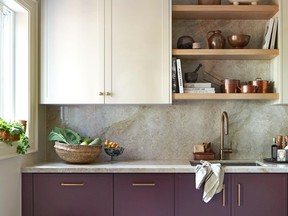
Next, imagine a kitchen built for “slow food” cooking, just like nonna might have – thick, well-used cutting boards (no plastics in this kitchen!), a basil plant in a hand-painted, terracotta pot, collected ceramics that don’t necessarily match, and heirloom furniture pieces.
This new design trend highlights an appreciation for artisanal dinnerware – the hand-made and hand-painted – rather than fast-fashion items purchased from places like Homesense, which ironically are often created to look “vintage”.
“The Baby Boomers are also starting to downsize and are therefore passing on family treasures,” explains Toronto-based Cynthia Ferguson of Cynthia Ferguson Designs. “With the backlash against fast fashion, we are seeing the same trend in homes. There is a real pushback against mass-produced furniture and vintage is all the rage now. Reinventing Mom’s favourite chair with a fabulous new fabric or giving Granny’s writing desk a new purpose as a bar perhaps, is an incredible new way to integrate family pieces into your home.”
Ferguson agrees that nonna maxxing has become a trend in part because of uncertain, turbulent times. “Decorating, like fashion, is greatly influenced by economic and social indicators,” she says.
“In my opinion, the popularity of nonna maxxing comes from people craving a return to familiar spaces that made us feel safe and cozy.” These include kitchens with open shelves displaying a collection of ceramic bowls or antique plates, hanging copper pots and pans, woven fiber baskets or place settings, and special glassware, such as Murano tumblers.
Nonna maxxing trend can also be viewed as a backlash against years of décor with white walls and large open spaces. “People are reversing their decorating decisions and the pendulum has swung the other way. Now I find clients are into cozy spaces – interiors where nostalgia has become more important, even as we speed towards an AI-driven existence in our daily lives,” she explains.
“As our lives become more digital and screen-focused, people want interiors that are grounded in the past. Vintage and antique pieces add soul to a room, keep furniture out of landfills and allow you to savour a memory while owning it as yours.”
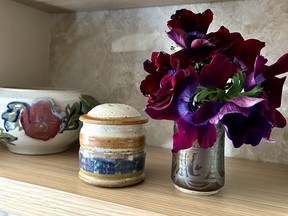
But while nonna maxxing is about collecting, it’s doesn’t mean you have to keep everything passed down to you. “While the nonna trend is a nod to the un-curated, that doesn’t mean it should look cluttered!” says Cori Halpern of the Toronto-based Cori Halpern Interiors.
“Rather, it’s a thoughtful, but not perfected, curation of items that can be mismatched.” Halpern says that nonna maxxing is really about comfort, unique hand-crafted pieces that tell your own family’s story through heirlooms, such as what you might see in a Mediterranean market or Mediterranean-adjacent places like the south of France.
“I visit France once a year,” says Halpern. “And you’ll see those perfect pieces for the nonna maxxing aesthetic – things like hand-embroidered napkins and table cloths, hand painted pitchers, and speckleware dish sets.”
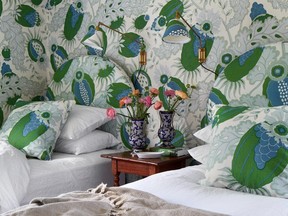
Halpern notes that speckle enamelware or “splatterware” is especially popular in places like Southern Italy and France, a decorative, dotted glaze with ancient origins in Puglia, Southern Italy.
In stark opposition to the digital world, nonna maxxing is truly about the tactile and the textured – crisp ironed tablecloths (ideally linen that has been made on an actual loom!), lace doilies, and crocheted pot holders, mixed patterns and layered linens.
“Unlike the other forms of maxxing aesthetics – like colour maxxing or pattern maxxing – this is different from granny chic which is more of a north American aesthetic .” Granny chic featured patterns like chintz and petite florals in yellows, pinks, or blues alongside natural woods, whereas nonna maxxing celebrates bold florals in pops of colour. Definitely no chintz in a nonna kitchen!
Finally, it’s impossible to become a “nonna” overnight. This isn’t an aesthetic style you can just run out and purchase. It’s a lifestyle. It’s a way of moving through the world and collecting the special pieces as you go. It’s not rushing to achieve it.
Rather, nonna maxxing embraces the curatorial process of taking pleasure in those treasures you find as you live your life. So go forth slowly with a keen eye and take joy in collecting – and don’t toss your heirlooms – that’s what nonna would have wanted!
Join the Conversation
This website uses cookies to personalize your content (including ads), and allows us to analyze our traffic. Read more about cookies here. By continuing to use our site, you agree to our Terms of Use and Privacy Policy.
KioskNews shows a cleaned-up reading view extracted from the publisher’s page — the original always lives on their site, not ours.