10 Most Realistic Detective Shows Of All Time

Crime dramas have been a television staple for decades, captivating audiences with intricate mysteries, compelling investigators, and shocking revelations. From high-stakes murder investigations to seemingly impossible cold cases, detective shows have built their appeal around the pursuit of justice. However, the realities of police work rarely resemble the fast-paced investigations and dramatic breakthroughs that make for entertaining television.
In real life, solving crimes often requires painstaking evidence collection, extensive interviews, and countless hours of paperwork. Investigators must contend with unreliable witnesses, limited resources, and institutional pressures that can complicate even the most straightforward cases. While television frequently condenses these processes into easily digestible storylines, some detective dramas make a conscious effort to portray the profession more authentically.
The most realistic detective shows recognize that investigations rarely follow a predictable path. Cases can remain unsolved despite considerable effort, and even experienced investigators make mistakes that carry serious consequences. Beyond the procedural elements, these series also explore the emotional toll of detective work, illustrating how professional responsibilities can strain personal relationships and challenge an investigator's judgment.
Although creative liberties are inevitable in scripted television, certain detective shows stand apart because of their commitment to authenticity. Whether drawing inspiration from actual criminal investigations, consulting law enforcement professionals, or examining the systemic problems within police departments, these series offer audiences a more grounded understanding of investigative work. The best examples demonstrate that the realities of solving crimes can be just as compelling as Hollywood's most elaborate mysteries.
Bosch (2014–2021)
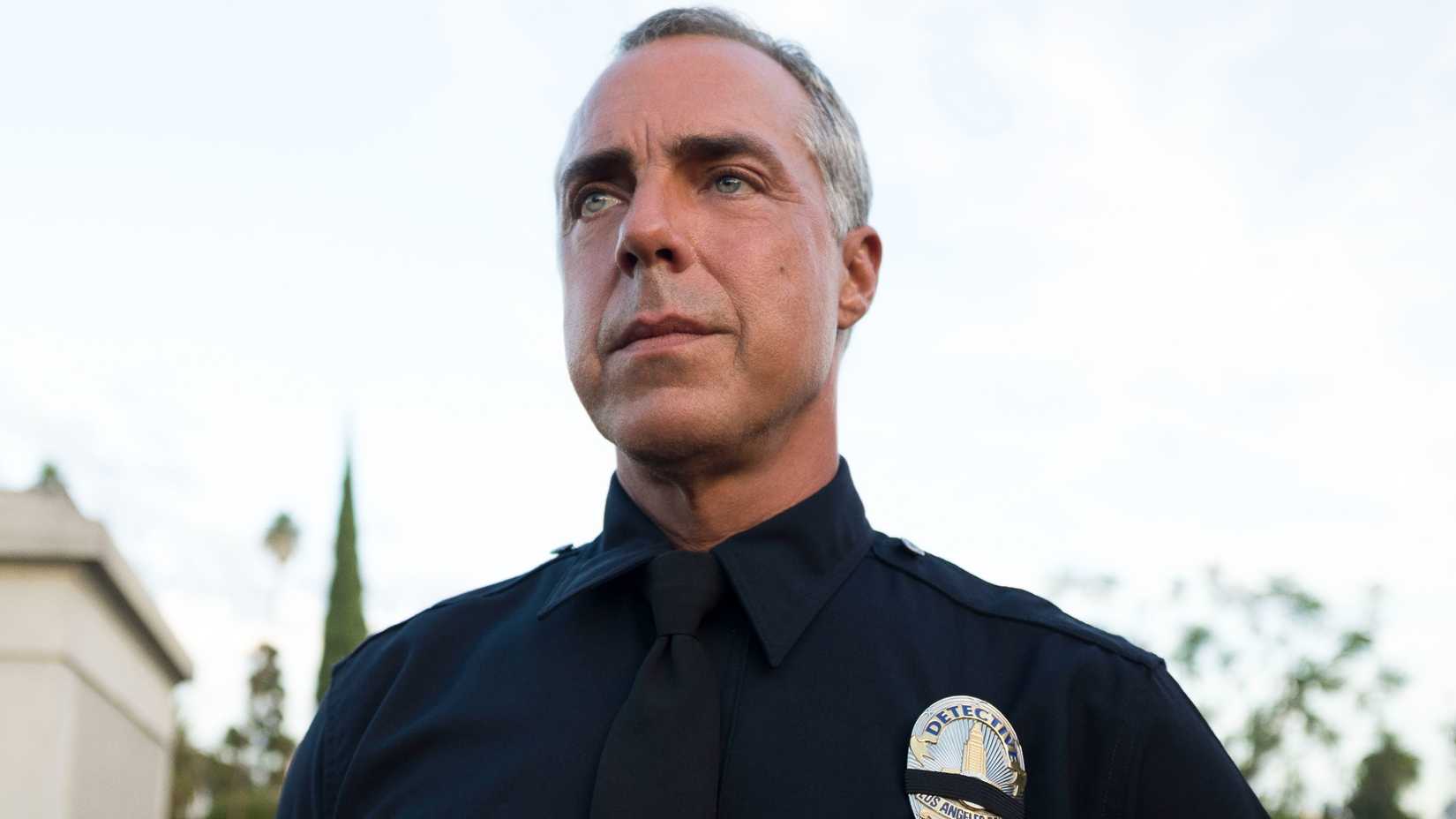
Based on Michael Connelly's bestselling novels, Bosch follows LAPD detective Harry Bosch (Titus Welliver) as he investigates complicated murder cases throughout Los Angeles. Unlike many crime procedurals, the series emphasizes the tedious work required to solve crimes, including interviewing witnesses, reviewing evidence, and navigating departmental bureaucracy.
Although Bosch occasionally bends the rules, his investigations rarely produce convenient answers. The series also highlights how political interference and limited resources can obstruct investigations, even when detectives have promising leads. By balancing compelling mysteries with believable investigative methods, Bosch provides a more grounded representation of homicide investigations than most traditional police dramas.
NYPD Blue (1993–2005)
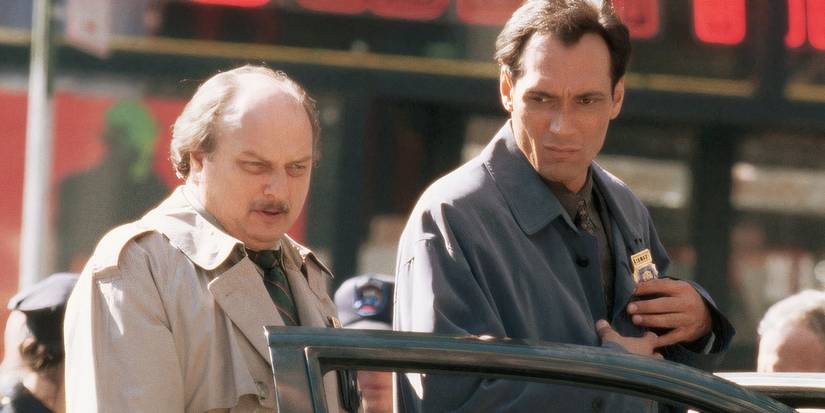
Before gritty police procedurals became commonplace, NYPD Blue challenged television conventions with its uncompromising depiction of detectives working in New York City. The series follows investigators from the fictional 15th Precinct, particularly Andy Sipowicz (Dennis Franz), whose personal struggles frequently complicate his professional responsibilities.
Rather than portraying detectives as flawless heroes, NYPD Blue explores how prejudice, corruption, addiction, and emotional exhaustion can influence police work. Investigations frequently involve difficult interrogations, unreliable witnesses, and moral compromises. Although some storylines embrace traditional television melodrama, the show's willingness to acknowledge law enforcement's imperfections helped establish a more realistic approach to police procedurals.
Scott & Bailey (2011–2016)
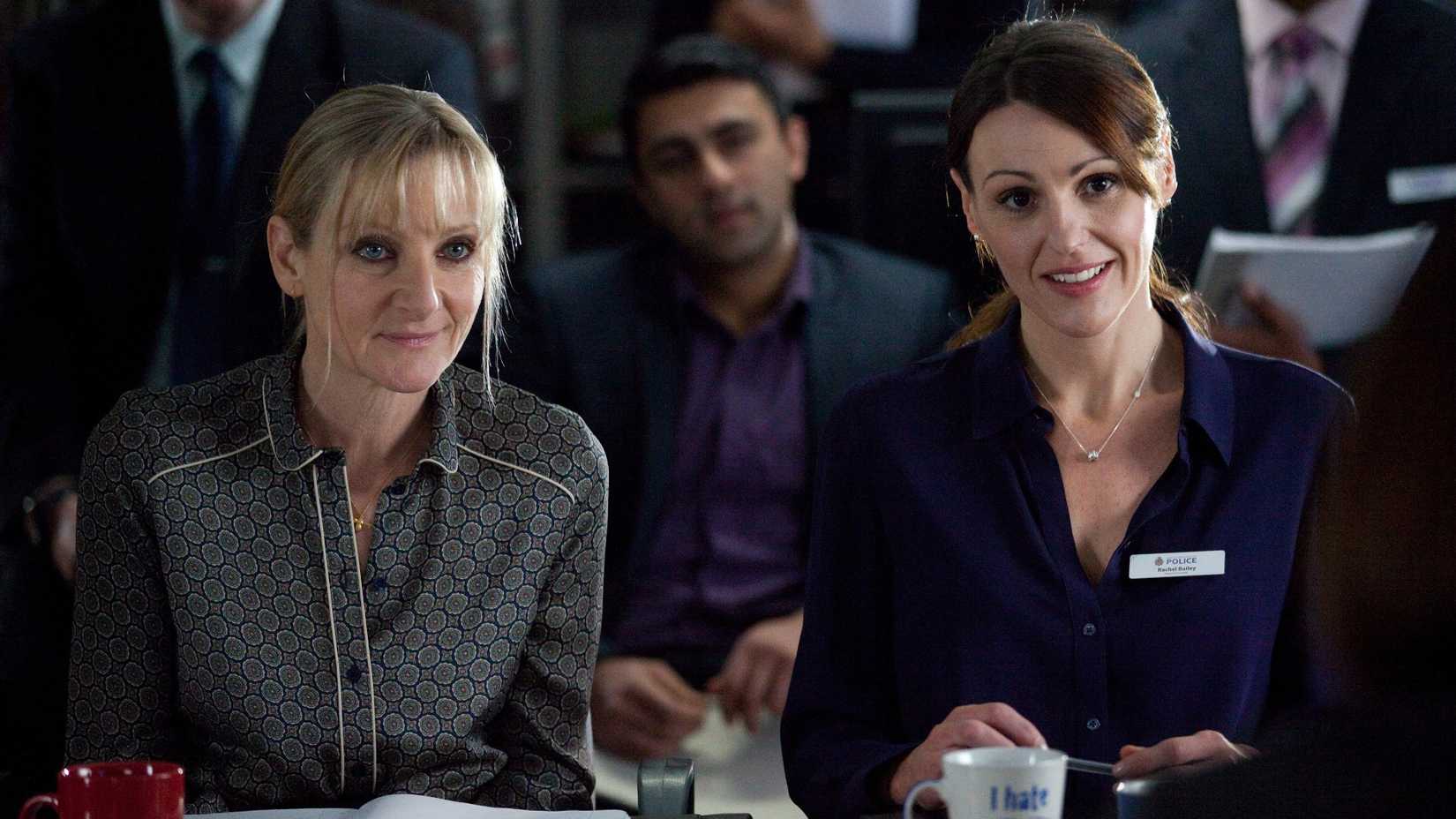
British crime drama Scott & Bailey follows detectives Janet Scott (Lesley Sharp) and Rachel Bailey (Suranne Jones) as they investigate serious crimes within Manchester Metropolitan Police. The series distinguishes itself through its emphasis on teamwork, investigative procedures, and the everyday challenges of working within a major crime unit.
Co-created by the late former detective inspector Diane Taylor, who spent 30 years in law enforcement, the show benefits from firsthand knowledge of criminal investigations. Its detectives spend considerable time conducting interviews, examining evidence, and preparing cases for prosecution rather than pursuing dramatic confrontations. Their personal lives also create believable complications without overshadowing the investigative work that defines their careers.
Mindhunter (2017–2019)

Netflix's Mindhunter offers a fascinating examination of the FBI's early efforts to understand criminal psychology. Set during the late 1970s and early 1980s, the series follows agents Holden Ford (Jonathan Groff) and Bill Tench (Holt McCallany) as they interview convicted killers to identify behavioral patterns that could assist future investigations.
The characters are inspired by real FBI agents John Douglas and Robert Ressler, whose research helped establish modern criminal profiling techniques. While certain personal storylines are fictionalized, the series grounds its investigations in psychological research, detailed interviews, and the uncertainty surrounding an emerging field. Its methodical approach makes the investigative process more compelling than sensationalized violence.
Happy Valley (2014–2023)

Rather than focusing exclusively on murder investigations, Happy Valley examines the demanding realities of policing through Sergeant Catherine Cawood (Sarah Lancashire). Working in West Yorkshire, Catherine routinely encounters domestic violence, substance abuse, and vulnerable members of her community, illustrating the complicated responsibilities officers face beyond solving individual crimes.
Creator Sally Wainwright worked with police adviser Lisa Farrand to strengthen the show's procedural authenticity. However, Happy Valley is particularly convincing in its portrayal of policing's emotional consequences. Catherine's professional experiences frequently intersect with her personal trauma, demonstrating how difficult it can be for investigators to separate their responsibilities from their own lives.
Southland (2009–2013)
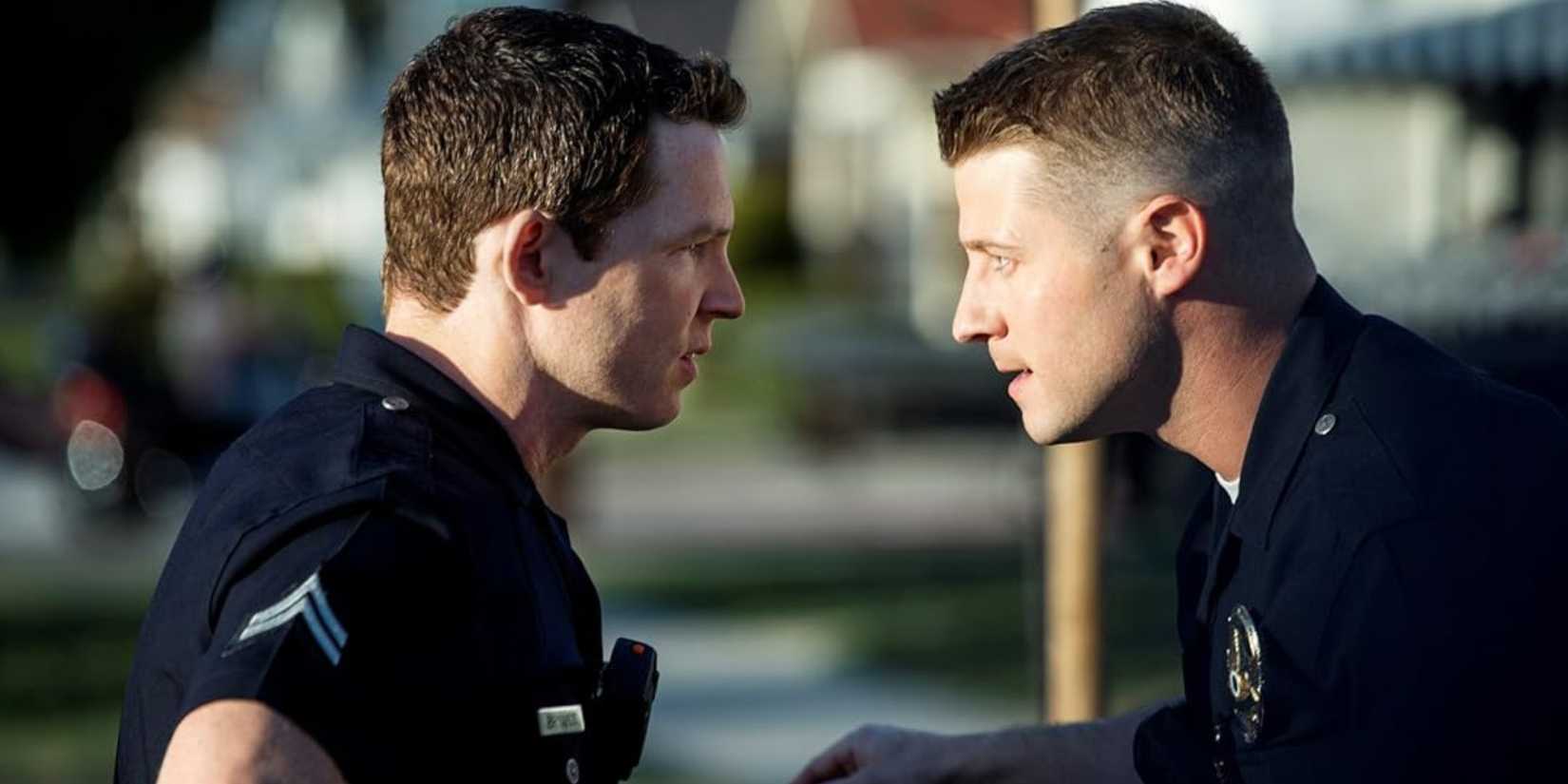
Starring Shawn Hatosy and Ben McKenzie, Southland adopts an almost documentary-like approach to examining the daily responsibilities of LAPD patrol officers and detectives. Rather than relying on elaborate mysteries, the crime series presents unpredictable encounters, routine investigations, and the difficult decisions law enforcement professionals must make under pressure. Its handheld cinematography and location filming further reinforce the authenticity of its investigations.
Southland also recognizes that officers frequently encounter situations without clear solutions or satisfying outcomes. Its grounded depiction of policing arguably contributed to the show's renewed popularity when Southland arrived on Netflix in January 2026, becoming a streaming success more than a decade after its cancellation.
Unbelievable (2019)

Inspired by a Pulitzer Prize-winning investigation published by ProPublica and The Marshall Project, Netflix's Unbelievable dramatizes the real-life failures and eventual successes of detectives investigating a serial sexual offender. The miniseries contrasts the mistreatment of survivor Marie Adler (Kaitlyn Dever) with the meticulous investigative work of two Colorado detectives.
Played by Toni Collette and Merritt Wever, the investigators demonstrate how patience, collaboration, and careful evidence collection can make a difference. The series also examines the devastating consequences of investigators misunderstanding trauma and prematurely dismissing victims' accounts. Its foundation in documented events makes Unbelievable a particularly disturbing and authentic representation of criminal investigations.
Homicide: Life on the Street (1993–1999)

Based on David Simon's nonfiction book, Homicide: A Year on the Killing Streets, NBC's Homicide: Life on the Street draws directly from the experiences of Baltimore homicide detectives. Simon spent a year observing a homicide unit, giving the series an unusually detailed foundation for depicting investigative work.
Rather than treating every murder as an elaborate puzzle with an inevitable solution, the show explores the frustrating realities of criminal investigations. Detectives contend with uncooperative witnesses, insufficient evidence, overwhelming caseloads, and the possibility that their efforts will accomplish nothing.
The series also examines how repeated exposure to violence affects investigators, making its characters feel like ordinary professionals rather than extraordinary crime solvers. Its willingness to leave questions unanswered reinforces its commitment to realism.
The Wire (2002–2008)

Few television crime dramas examine the institutional realities of policing as thoroughly as HBO's The Wire did in its five seasons. Created by former Baltimore crime reporter David Simon and writer and former homicide detective Ed Burns, the series draws extensively on firsthand knowledge of law enforcement and the city's criminal justice system.
The Wire beautifully illustrates how investigations are influenced by political ambitions, departmental statistics, limited funding, and competing institutional priorities. Even talented detectives struggle to pursue cases when their work threatens powerful interests or contradicts departmental expectations.
Its detailed exploration of surveillance, informants, wiretaps, and interdepartmental conflicts further strengthens its authenticity. Rather than suggesting that individual determination can overcome systemic problems, the show acknowledges how deeply those problems shape investigative outcomes. This broader perspective makes The Wire one of television's most convincing representations of modern law enforcement.
The Investigation (2020)

Danish miniseries The Investigation reconstructs the real-life investigation into the 2017 murder of Swedish journalist Kim Wall. Unlike conventional crime dramas, the series largely avoids sensationalizing the perpetrator, instead concentrating on the investigators responsible for establishing what happened and gathering sufficient evidence to secure a conviction.
Developed in cooperation with lead investigator Jens Møller and Wall's parents, the series follows the painstaking investigation through forensic examinations, witness interviews, and extensive underwater searches. Progress frequently depends on small discoveries and collaboration between specialists rather than dramatic breakthroughs.
What ultimately distinguishes The Investigation is its refusal to simplify detective work for entertainment. The investigation unfolds gradually, demonstrating the patience, persistence, and attention to detail necessary to solve complicated crimes. Its close connection to actual events and commitment to procedural accuracy make the crime drama an exceptionally realistic depiction of investigative work.
KioskNews shows a cleaned-up reading view extracted from the publisher’s page — the original always lives on their site, not ours.