What Southeast Asian newsrooms struggling to attract Gen Z can learn from creators
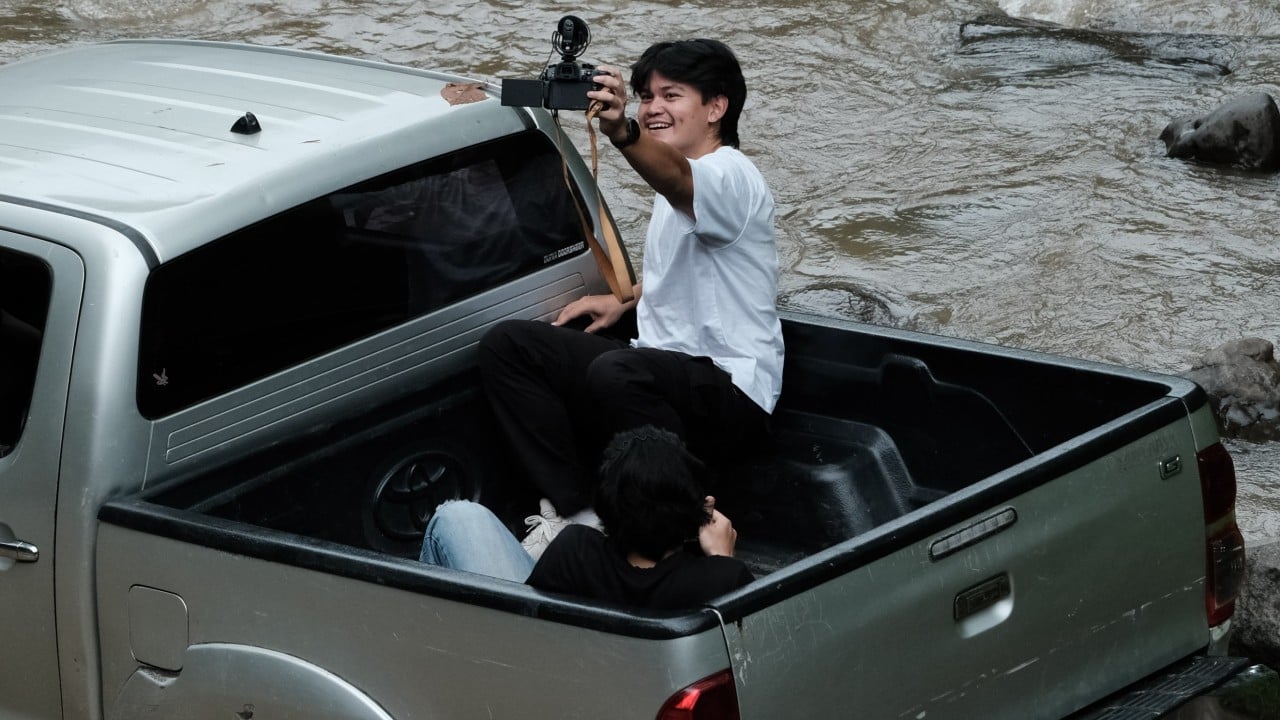
For Malaysian content creator Iqbal Fatkhi, making news content credible to younger audiences sometimes means making it less like traditional journalism.
Instead of polished broadcasts using formal language, the 33-year-old editor-in-chief of news portal CiliSos Media prefers conversational videos that speak to audiences on their own terms. “It’s ironic in a way that, to gain credibility, you have to look not credible in that sense,” he said.
His approach reflects a broader shift in news consumption, with younger audiences increasingly turning to social media personalities and independent creators rather than established news organisations.
A Reuters Institute for the Study of Journalism report in March found that 51 per cent of social media users aged 18 to 24 pay attention to individual news creators on social and video platforms, compared with 39 per cent who still get their news from traditional media sources.
The shift is particularly visible in Southeast Asia, according to Nic Newman, senior research associate at the Reuters Institute. “Across countries, the direction of travel is similar, but parts of Southeast Asia are further along the road towards social and video news,” he said.
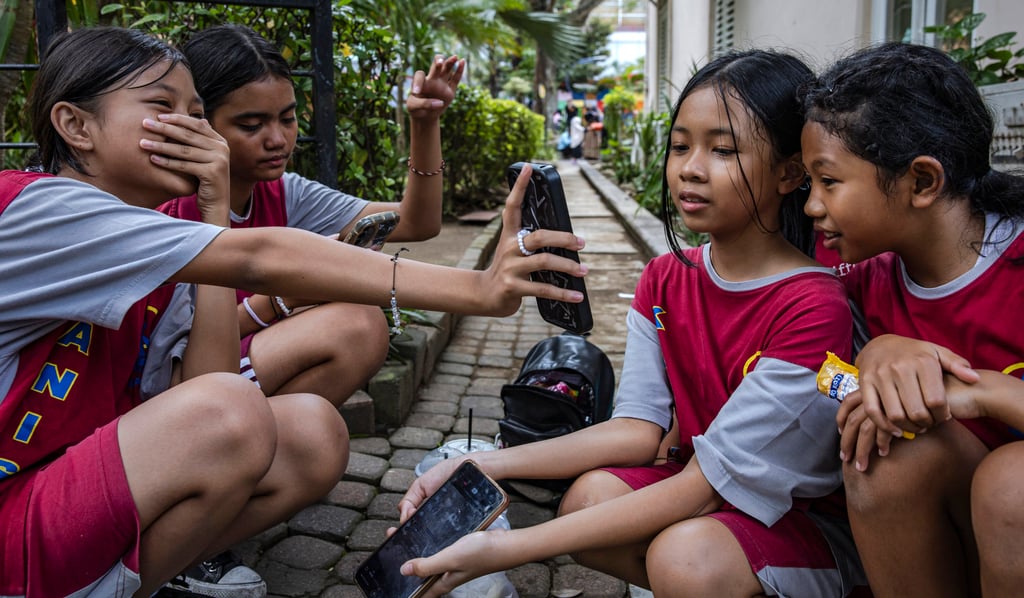
In Thailand, for example, more than half of the respondents say they use TikTok for news, compared to 10 per cent in the United States and 7 per cent in Britain. Heavy social media use in Indonesia, the Philippines and Malaysia also means news organisations have weaker direct connections with audiences.
This trend raises questions about the future of journalism in the region, with news outlets having to compete with influencers and algorithm-driven platforms for younger audiences while balancing relevancy with professional credibility.
For Indonesian creator Ananda Bhuwana, the appeal of social media news content lies in its ability to convert complex subjects into short, accessible videos. Ananda, who has a background in biology, produces educational content on social media.
The Jakarta-based 25-year-old said younger audiences were accustomed to consuming information visually, making video a natural format for explainers. “Video is very intuitive for us, for Gen Zs, and even Gen Alphas,” he said.
Attracting viewers is only half the challenge. According to Ananda, the content itself matters more than the creator’s personality, and trust eventually develops as audiences become familiar with their work.
He acknowledged that his earlier work had not always met the standards of accuracy he now applied, but fact-check training had helped him develop the skills to verify information before publishing.
Popularity vs credibility
Edson Tandoc Jnr, a professor of communication studies at Singapore’s Nanyang Technological University, said accessibility sometimes outweighed credibility with younger audiences when it came to picking news sources.
Based on his research with young news audiences in Malaysia, Singapore, the United States, South Korea and Belgium, “I found that for many news audiences, especially young people, whether the source is trustworthy or credible is not always the primary consideration when they need information”, he said.
And while young audiences preferred subjects that were relevant to their lives, that did not mean they were disengaged from current affairs. “I don’t think young people are losing interest in making sense of the world around them,” he said.
Content creators appealed to younger audiences by making news entertaining and easier to understand but their rise does not necessarily mean audiences trust them more than traditional news organisations, according to Newman.
01:22
Corporate billionaires are China’s latest live-streaming influencers
As creators rarely break original news, focusing their content on commentary and explanation, audiences still turn to established news organisations for reporting, especially during major crises.
“Credibility increasingly comes with a human face,” Newman said. “But popularity doesn’t automatically mean trust.”
Niki Cheong, a senior lecturer at King’s College London, challenged the notion that younger audiences were deserting traditional journalism. “I’m not convinced that Gen Z was ever with legacy journalism in the first place to abandon it,” he said.
Cheong said the bigger issue was that Gen Z – generally defined as those born between 1997 and 2012 – grew up with smartphones and social media, making it difficult for traditional news organisations to reach them.
“In the past decade, this has become more pronounced, not just with new features on platforms but the way these platforms operate,” he said.
Iqbal said there was a danger that popularity was mistaken for expertise. “More and more creators are gaining credibility in spaces they might not necessarily have any credibility in,” he said.
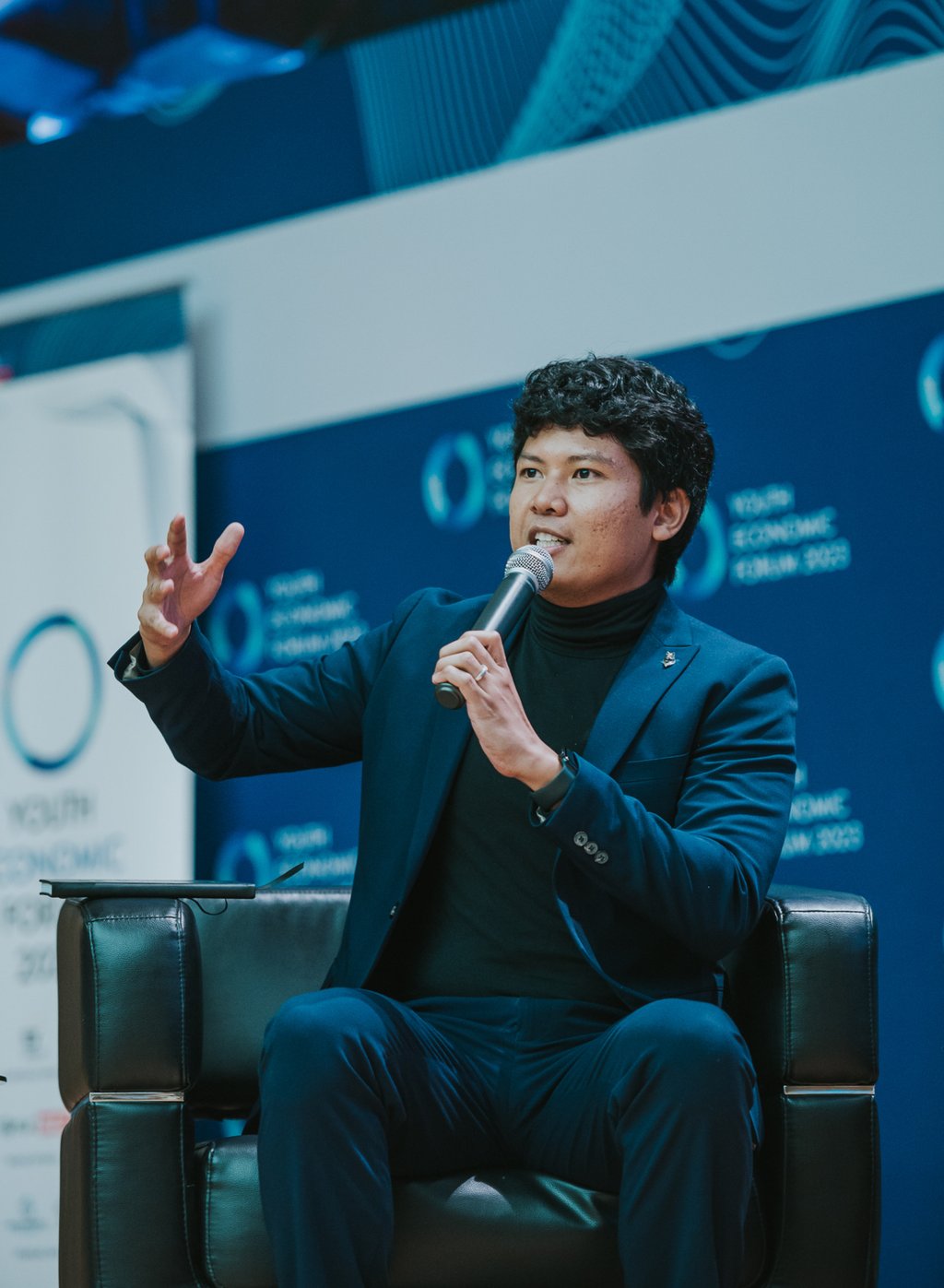
For him, presenting news informally did not mean abandoning journalistic standards. “I’m speaking to them in their language, I am also giving them receipts,” he said, using the colloquial term for evidence to support his claims.
There was no reason why journalists and content creators could not coexist, Ananda said. Creators turn complex news into accessible content while professional journalists produce original reporting and verification. “I see it as a symbiotic relationship that’s good for both sides,” he said.
And newsrooms can also learn from content creators. Findings from the Reuters Institute 2026 trends report show that three-quarters of publishers are encouraging or training journalists to be more “creator-like”.
Newman said professional journalism could take this opportunity to combine rigorous reporting with a more personal, accessible voice while maintaining reporting standards.
And with audiences still concerned about misinformation, journalists will not be pushed out by influencers any time soon. “If value and trust can be proved amid the chaotic media landscape, there is still a strong future for independent newsrooms,” he said.
KioskNews shows a cleaned-up reading view extracted from the publisher’s page — the original always lives on their site, not ours.