Japan offers Asean access to crude oil storage to counter energy crises
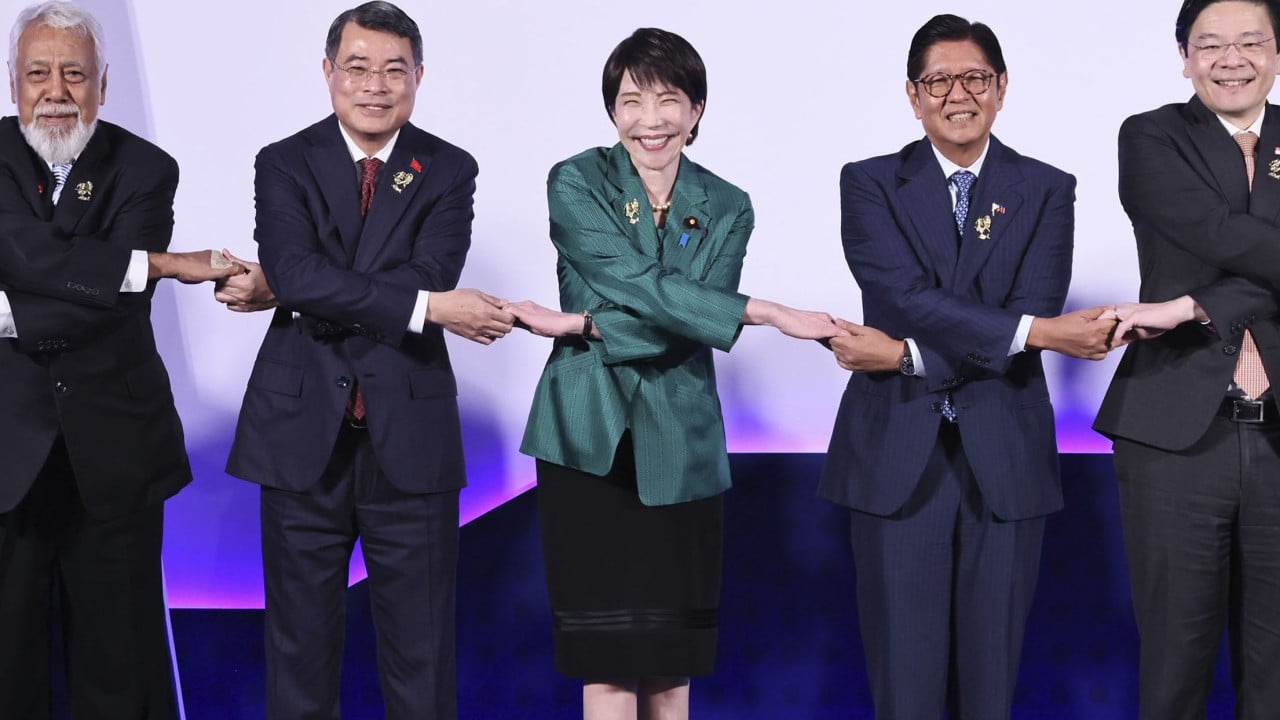
Japan has said that Southeast Asian nations will be able to access its crude oil storage facilities as part of efforts to prepare the region for a future energy crisis.
The announcement on Tuesday came as Asean leaders met in Manila, where energy security has been high on the agenda.
Addressing regional leaders, Japanese Prime Minister Sanae Takaichi said her country’s “hydro-tanks” would be available for use under the proposed initiative for cooperation on oil stockpiling.
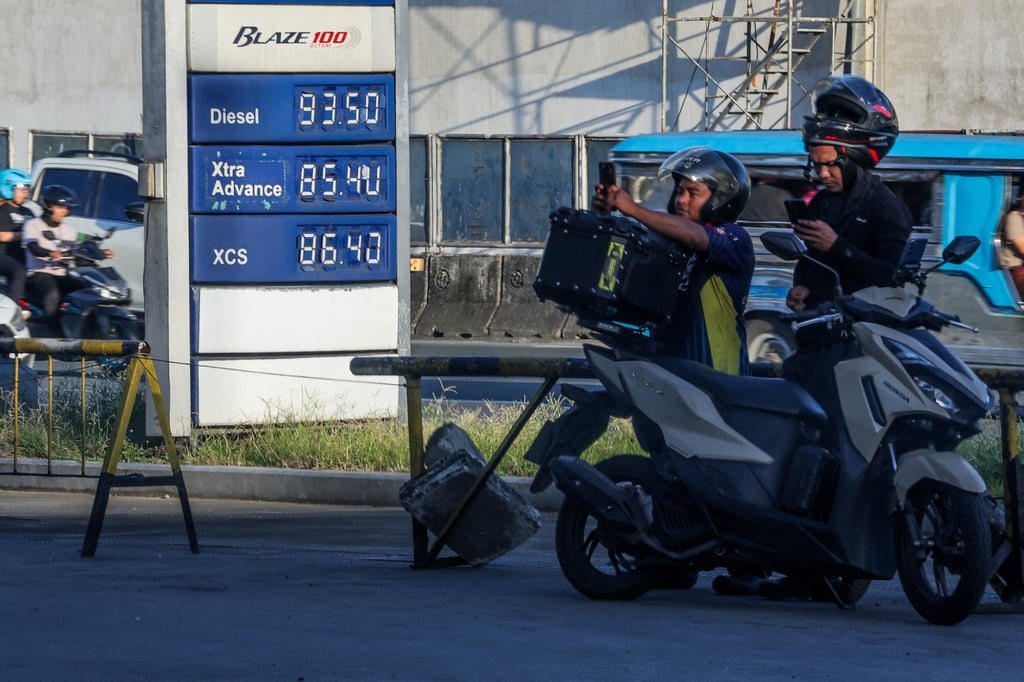
Members of the Association of Southeast Asian Nations have been grappling with fuel shortages and price increases after the Middle East conflict squeezed the flow of crude to the region.
The regional bloc has previously called for “unimpeded” passage through the Strait of Hormuz, which was closed following US-Israeli strikes on Iran.
Under the Japanese POWERR Asia initiative, Asean members will be able to use Japan’s excess storage capacity for crude oil.
“We have suggested to utilise our crude oil stockpiling facilities in Japan, which are not utilised,” Japan’s foreign ministry press secretary Toshihiro Kitamura told reporters on the sidelines of the Asean summit.
“By utilising those unused facilities in Japan, we can stockpile the other countries’ crude oil and in case of crisis … it’s a kind of joint stockpiling system.”
Japan has 254 days’ worth of oil reserves, according to Kitamura, while at the outbreak of the Middle East war in February some Asean members had less than a month’s worth.
An Asean-backed study for joint stockpiling of oil had also recommended using facilities in Thailand and Indonesia, but Kitamura said a final decision had not been made.
“It’s under specific discussion,” Kitamura said. “But as a government in Japan, we are ready to work with Asean to utilise our own facilities.”
Longer term, Tokyo plans to help Asean members build their own “stockpiling facilities”.
“I think this is very important in order to prepare ourselves for future possibilities, crises.”
Philippine Energy Secretary Sharon Garin said a memorandum of cooperation signed with Japan on Monday included assistance to “put up many more facilities to store more oil, whether [that] is diesel, gas or crude oil”, in the archipelago nation.
“What this means is the Philippines will be more prepared in ensuring there is adequate oil for our homes and businesses, whatever the situation is,” Garin told reporters.
“With our reserves in place, we would be better positioned to support our transport, markets and industries.”
KioskNews shows a cleaned-up reading view extracted from the publisher’s page — the original always lives on their site, not ours.