Communal politics blamed for religious intolerance among kids
An independent scholar and a former deputy minister have attributed the rise in religious intolerance among schoolchildren to the growing trend of communal politics.
Scholar Sharifah Munirah Alatas and former deputy unity minister Ti Lian Ker agreed that it was “hardly surprising” that MPs were now raising concerns about the trend.
Munirah said the reluctance of Muslim students to sit next to their non-Muslim classmates might appear to reflect a new level of intolerance in society, but past trends suggested otherwise.
Ethnocentrism, nativism, traditionalism and culturalism had been developing within the country’s Malay-Muslim political leadership for more than 50 years, she said.

Munirah lamented that ethnocentrism, nativism and traditionalism were now permeating society.
“When an MP points out the growing problem of religious and ethnic intolerance and polarisation in the classroom, I blame the ethnic and religiously charged political discourse that we have been seeing every day for decades,” she told FMT.
Munirah said such intolerance could be eradicated immediately and effectively if there was political will.
“But we all know that it is politically expedient to keep the siege mentality alive in society. It guarantees political ‘staying power’.”
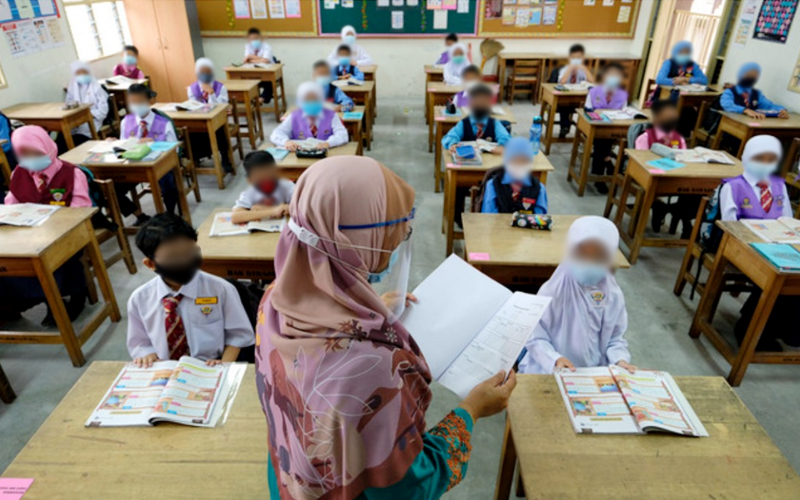
Last Thursday, Puncak Borneo MP Willie Mongin raised concerns about intolerance among children, citing cases of primary school pupils refusing to sit with classmates who did not share their faith.
Some children, he told the Dewan Rakyat, did not want to sit next to others because they wore crosses or ate pork.

Ti, who served as deputy unity minister from 2020 to 2021, said he was not surprised by Willie’s remarks.
He said “something must have gone very wrong” if children insisted on sitting apart from classmates of different faiths. He added that, in the 1970s, children were allotted seats but there was no issue who ended up sitting with you.
Like Munirah, Ti also blamed communal politics for the division.
“Identity politics, as well as indoctrination and radicalisation by cybertroopers hired by political parties, has played a role in fostering intolerance among the people, who would then pass on such lessons to their children.”
To compound matters, these irresponsible cybertroopers, who push incendiary narratives, seemed to be immune to the law, Ti said.
“This group of people would view every incident through a racial lens and pit two races against each other,” he added.
Subscribe to our newsletter and get news delivered to your mailbox.
KioskNews shows a cleaned-up reading view extracted from the publisher’s page — the original always lives on their site, not ours.