Lost a toenail while running? — it’s totally treatable and preventable
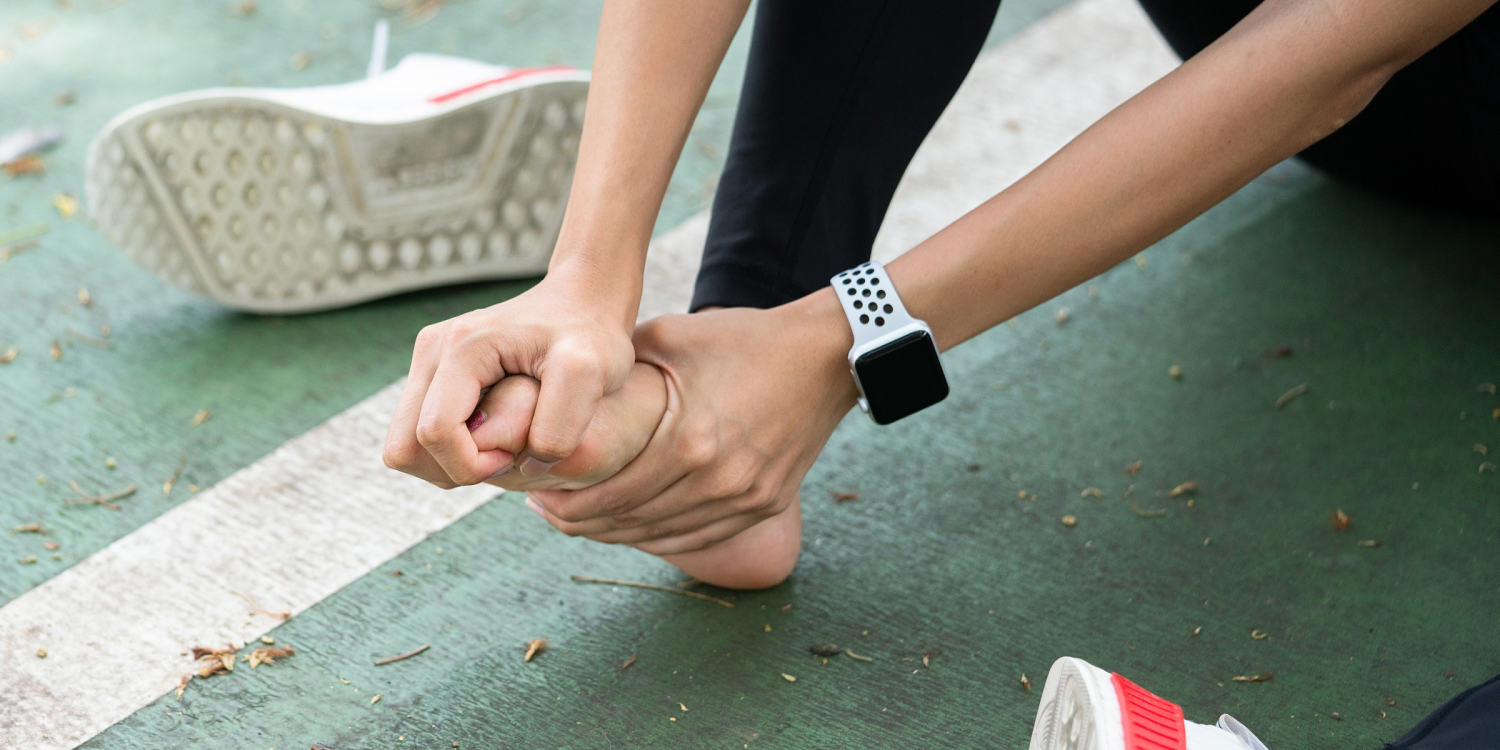
I’ll admit it: I’ve had three cases of runner’s toe this year, and I lost my toenail each time. It’s a common issue among runners, especially those logging long distances while marathon training or doing the race itself. The good news? It’s totally treatable and completely preventable, according to doctors I talked to. Read on to learn how to treat runner’s toe and prevent it from happening again, whether you have a black and blue nail or one that fell off.
Selected.Our top picks
Want more from NBC Selected? Sign up for our newsletter, The Selection, and shop smarter.
What is runner’s toe?
Runner’s toe is a commonly used term for a subungual hematoma, a.k.a. bleeding under the nail bed, says Dr. Jacob Wynes, a podiatric surgeon and an associate professor of foot and ankle surgery for the University of Maryland School of Medicine. You’ll see red, purple and black-ish discoloration under your toenail, which can sometimes be painful or cause throbbing pressure. Runner’s toe may eventually lead to the affected toenails partially or fully falling off. The condition can impact any toe on your foot, but you most commonly get it on your longest toe, which is either the big toe or second toe for most people.
While a subungual hematoma is colloquially called “runner’s toe,” runners aren’t the only people who get it: Anyone can, especially if they’re wearing poorly fitting shoes, says Wynes. In terms of physical activity, runners, soccer players, football players, tennis players, skiers, hikers and golfers are most prone to “runner’s toe.” You can also get a subungual hematoma if you drop something on your toe or stub it, says Dr. Kristin Hullings, an assistant professor of clinical orthopaedic surgery and sports medicine at Temple University’s Lewis Katz School of Medicine — in those cases, since the bleeding is caused by sudden rather than gradual trauma, see a doctor to make sure you didn’t also fracture or break your toe.
What causes runner’s toe?
Runner’s toe is caused by repetitive trauma to the toenails during running, says Dr. Rull James Toussaint, the chief of the foot and ankle division in the department of orthopaedic surgery and sports medicine at the University of Florida College of Medicine. Running downhill, high mileage, wearing loose shoes that cause your feet to slide around, wearing tight shoes that squeeze your feet, long toenails, heat buildup and sweat/moisture buildup all increase friction and pressure between your toes and the top or front of a shoe. Eventually, this increased, forceful toe to shoe contact can rupture blood vessels in your nail bed, leading blood to collect under the nail plate, says Hullings.
How do you treat runner’s toe?
Runner’s toe ranges in severity, so treatment plans do, too. Below, I break down how to treat minor to moderate cases and the supplies you’ll need, according to doctors.
Regardless of how severe your runner’s toe is, it’s crucial that you identify what caused it and correct it to prevent the condition from worsening or reoccurring — follow these prevention tips. Finally, if you have significant and/or worsening pain or swelling, see your doctor — there’s more information on that in the FAQ section here.
If your toenail is still intact
If you have blood buildup under your toenail, but it’s still intact, not loose, you aren’t experiencing pain and there’s no exposed nail bed, your runner’s toe will likely go away on its own as the nail grows out, says Toussaint. Focus on preventing runner’s toe from getting worse or happening again — I included prevention tips here. The toenail might eventually get loose and start shedding (falling off). In that case, see doctors’ treatment advice below.
If your toenail partially or fully falls off
If your toenail partially or fully falls off, your goal is to keep the exposed nail bed clean and protected to prevent infection and promote regrowth, says Hullings. Exactly how you do so is a bit different in each circumstance: Because a fully detached nail leaves the nail bed completely exposed, it’s fragile and needs extra care, while a partially detached nail is more protected, so the process is simpler. That said, the core principals are the same — here’s what to do.
Clean the affected toe
Whether you have a partially or fully detached nail, first cleanse the affected toe to remove any dirt, says Wynes. You can use mild soap and water or a saline solution.
NeilMed’s saline solution is made with 0.9 percent sodium chloride and water, making it a gentle yet effective wash. It comes in a bottle with a nozzle that sprays in any direction, even when it’s upside down, which is helpful when reaching your toes.
Trim away loose parts of the nail
If you have a partially detached toenail, leave the attached portion in place — it acts as a protective splint for the nail that’s left over, and promotes healing with a lower risk for infection, says Hullings. You should trim away loose, snagging edges, however, to prevent them from catching on socks, pant legs and sheets — you don’t want to end up with another open wound to worry about. Trim as little as possible to preserve as much of the leftover nail as you can, but just enough to make sure there’s smooth edges, says Wynes.
I find using a cuticle cutter to snip my partially detached toenail’s loose, sharp edges to be more efficient than using standard nail cutters. The head of the cuticle cutters are smaller and narrower, allowing me to make tiny, precise clips and avoid getting rid of too much nail. I’ve owned Tweezerman’s stainless steel Rockhard Cuticle Nippers for years and they’ve always stayed sharp. You only need to put light pressure on the handle to make a trim, and they’re designed for right- and left-handed people to use.
Apply a topical ointment
Applying a topical antibiotic ointment to the exposed nail bed prevents infection, keeps the area moist and promotes healing, says Wynes.
Neosporin’s ointment uses three antibiotics to kill germs and prevent infection for up to 24 hours post-application, according to the brand. Its formula also helps skin stay hydrated as it heals. You can use it up to three times a day.
Apply a bandage and change it daily
If your toenail fully falls off, or partially falls off and a large portion of the nail bed is exposed, keep it covered with a clean bandage and change it daily, says Hullings. Choose a non-adherent bandage, meaning one that covers the exposed nail bed with a pad that doesn’t fuse to the healing tissue, preventing further damage and painful removal. A standard Band-Aid works well, says Wynes — don’t use hydrocolloid bandages, for example, which are sticky all over.
BETA

We can help you find
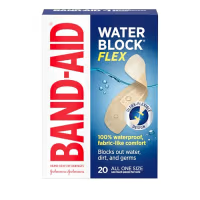
Waterproof Band-Aids stay on my toes better and for longer compared to standard ones. As my feet get hot inside shoes and socks, or are exposed to warm weather, standard bandages start moving around and peeling off, thus defeating their purpose. Waterproof bandages like Band-Aid’s don’t. They block out dirt and germs in addition to water, stay on even when they’re wet, are flexible to wrap around any toe and have a quilted pad that cushions the nail bed.
If your toenail is loose, don’t pull at or cut it off, says Toussaint. Leave it intact and let it fall off on its own. I use adhesive butterfly wound closure strips like these to hold loose nails in place when I wear socks and shoes — I’m uncomfortable when I feel the nail move around and I don’t want it to get caught on anything. Since my nail bed isn’t exposed, I put one end of the bandage on the nail and one end on my skin to secure it. Once the nail fully or partially falls off, I switch to standard bandages.
Wear a protective toe sleeve while running
You can still run if you have a mild to moderate case of runner’s toe, but it’s important to take proper precautions so your case doesn’t get worse. Beyond fixing the issue that caused you to get the condition in the first place, Wynes recommends wearing silicone sleeves on the affected toes, including on top of bandages if you’re using them, to protect and cushion nails as they heal.
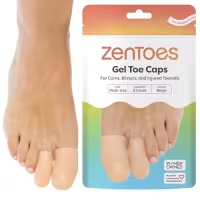
ZenToes designed these soft gel covers to protect toes with partially or fully missing nails from pressure and friction. You get six in a pack, all of which are reusable and washable: two large covers for big toes and four small covers for smaller toes. They’re thin, so they won’t make your socks or sneakers feel tighter, and they’re flexible to move with your feet. You slip the covers on your toes, and they have a snug fit and extend beyond the nail to help them stay on your toes. If they’re too long, you can cut them for a custom fit.
How do you prevent runner’s toe?
Correcting the issue that gave you runner’s toe is the only way to prevent it in the future. Below are the main factors doctors recommend paying attention to. If you suspect your runner’s toe was caused by something that’s not on this list, see your medical provider.
Wear properly fitting sneakers
More often than not, sneakers that don’t fit properly are the culprit when it comes to runner’s toe, says Toussaint. Shoes that are even the slightest bit too small, narrow, big or wide can become a problem over time, so visit your local shoe or running store to get your feet professionally measured. Expert fitters can tell you the size, width and toe box size they recommend, and even analyze your gait and arch type to suggest specific sneakers or insoles.
A few basic fit tips: get your feet professionally measured at night when your feet are most swollen, and make sure there’s always at least one thumb’s width of space between your longest toe and the top of the shoe, says Wynes.
Wear breathable, moisture-wicking socks
Sweaty, hot, damp socks can aggressively rub against and damage your toenails, as well as cause your feet to slide around in your shoes, jamming the toenails into the top and front, says Toussaint. To avoid both of these problems, wear socks made from a breathable, quick-drying material that allows for constant airflow, preventing heat and moisture buildup.
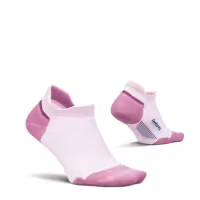
I only wear Feetures Elite Max Cushion socks when I run. They have just enough padding to keep my feet comfortable, but not so much that they make my sneakers feel tight. And despite being quite cushioned, they don’t make my feet hot or hold onto moisture — they’re made with ventilated fabric that wicks away moisture and allows for constant airflow. The running socks hug my arches and are slightly compressive to give them extra support, and the toe is seamless to prevent blisters. They also never slip down while I’m running, and the tab at the back of the ankle puts a barrier between my skin and shoe to prevent rubbing.
Toesocks can also help prevent runner’s toe, although wearing them takes some getting used to. Fabric separates each toe, which prevents skin-on-skin friction that often causes pressure through heat and moisture buildup.
Injinji makes popular toesocks for runners. This pair is lightly cushioned and designed with sweat-wicking fabric, as well as a mesh top panel to allow for constant airflow. There’s also a heel tab on the back to prevent the socks from slipping down while you’re moving, and the sneaker from rubbing against your skin. The sock’s internal band hugs your arches to help stabilize them.
Tie shoelaces in a runner’s knot
Tying your shoelaces in a specific way might not seem revolutionary, but I promise it makes a huge difference. All the doctors I talked to recommended doing the runner’s knot (also called the heel-lock tie or marathon loop), which locks the midfoot and heel in place so the foot can’t slide forward and jam against the top and front of your shoes, says Hullings. Here’s how to do the heel-lock tie, with a video for reference.
- Lace normally (criss-cross style) until you reach the second-to-last eyelet.
- Take each lace and put it through the top eyelet on the same side. Don’t pull the laces all the way through — make loops or “bunny ears” on each side.
- Take the left lace and put it through the loop on the right side, and take the right loop and put it through the loop on the left side.
- Pull (but not too tightly) and tie.
Keep your toenails short with smooth edges
The longer your toenails are, the more likely they are to jam against the top and front of your sneakers. Trim them often to keep them short, and use a file to smooth them out, preventing sharp edges from getting caught on your socks.
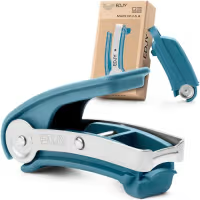
These single-blade cutters cleanly slice toenails without crushing, cracking or splitting them, and they use less force compared to a typical pair, according to the brand. “They give the top of my nails the smoothest look and feel, and cut everything in one even swoop,” says NBC Selected senior editor Nikki Brown. “There’s also a little compartment attached that catches nail clippings as they come off, so you don’t have to worry about them flying everywhere.” The cutters have a built-in safety stop and anatomically correct blade to stop you from trimming too short, and the short lever is positioned close to the cutting point, giving you more control and top-down visibility.
As you shape and smooth out your nails, a glass file like this one better seals the layers of your nails at the edges, preventing splitting over time, according to the brand. They’re also reusable without losing their grit — you just clean them with soap and water as needed. Bona Fide Beauty’s glass file comes with a protective case.
Frequently asked questions
It takes about 12 to 18 months for toenails to fully grow back, says Toussaint. By the four month mark, you’ll likely start to see the new nail emerge from the cuticle. If it’s been months since you lost your toenail and you don’t see any signs of growth, consult your doctor.
Don’t be shocked by what your toenail looks like when it starts to grow back. It usually comes in a bit deformed at first, and normalizes as it fills in more, says Toussaint. That said, if your germinal matrix (where the nail grows from) or nail bed is damaged, your nail may never grow “normal looking” again.
Unfortunately, there isn’t anything you can do to help a toenail grow back faster, says Hullings. Toenails grow slower than fingernails, so it’s a long process. The best thing you can do is keep the toe clean and protected, and have patience.
Yes, you can still run if you have mild to moderate runner’s toe, says Toussaint. That said, you have to correct whatever issue caused you to get runner’s toe to prevent it from happening again. If you have a severe case of runner’s toe, especially one that causes an open wound or requires drainage, your doctor may advise you to stop running for a period of time, so follow their guidance based on your body’s specific needs.
You may be able to get a pedicure if you have runner’s toe — it depends on the severity of your case. If you have absolutely no toenail loss and no exposed nail bed, your risk of infection while getting a pedicure is the same as usual: low, so long as the pedicurist is using sterile instruments, says Hullings. But if you have toenail loss and an exposed nail bed, you should not get a pedicure — the risk of infection is high.
You should see a doctor about runner’s toe if you have significant blood buildup under the toenail that’s causing severe pain, throbbing and discomfort, says Toussaint. A doctor may need to drain the toenail by drilling a small hole into it, letting the blood out to relieve pressure. Don’t ever attempt to drain your toenail at home.
You should also see a doctor about runner’s toe if you have medical conditions like diabetes, poor circulation or impaired immunity, says Toussaint. There may be underlying issues to address or specific treatment plans you need to follow.
Other runner’s toe symptoms you should see a doctor about include:
- Signs of infection, like redness, warmth, swelling, pus, red streaks on the skin and fever
- A painful open wound, especially on the nail bed and folds
- Painful or disruptive toenail shedding
- Inability to move the toe
- Toe deformity or instability
- Worsening or persistent discoloration that doesn’t go away as the nail grows out
Meet our podiatry experts
At NBC Selected, we work with experts who have specialized knowledge and authority based on relevant training and/or experience. We also ensure that all expert advice and recommendations are made independently and with no undisclosed financial conflicts of interest.
- Dr. Jacob Wynes is a podiatric surgeon and an associate professor of foot and ankle surgery for the University of Maryland School of Medicine.
- Dr. Kristin Hullings is an assistant professor of clinical orthopaedic surgery and sports medicine at Temple University’s Lewis Katz School of Medicine.
- Dr. Rull James Toussaint is the chief of the foot and ankle division in the department of orthopaedic surgery and sports medicine at the University of Florida College of Medicine, where he also serves as a clinical associate professor.
Why trust NBC Selected?
I’m a reporter at NBC Selected who has covered health and wellness for over six years, including topics like plantar fasciitis, blisters, razor burn and ingrown hair. I also extensively cover running and sneakers. For this article, I interviewed three doctors about runner’s toe, how to treat it and the best ways to prevent it. I’m also a long-distance runner who has experienced runner’s toe numerous times, so I shared solutions that have worked for me.
Catch up on NBC Selected’s in-depth coverage of tech and tools, wellness and more, and follow us on Facebook, Instagram, X and TikTok to stay up to date.
KioskNews shows a cleaned-up reading view extracted from the publisher’s page — the original always lives on their site, not ours.