Only a fraction of World Heritage sites are in Africa. China wants to fix that
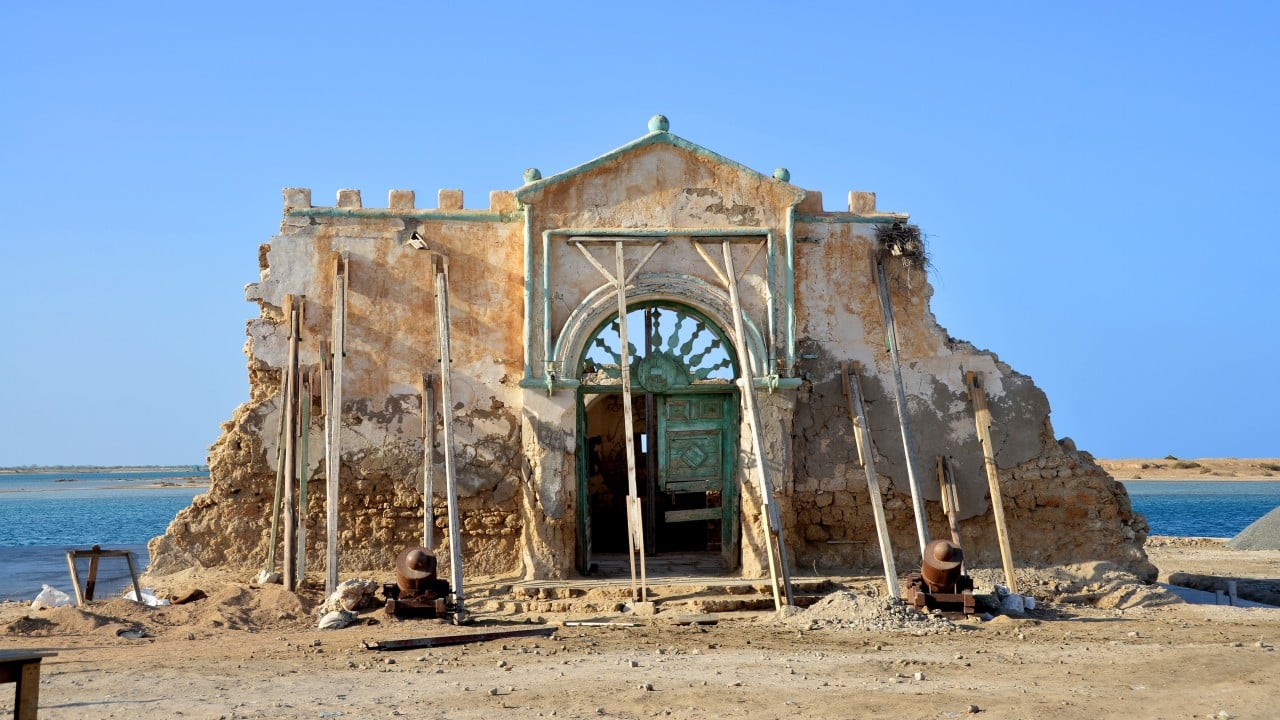
Africa is home to ancient cities, rock art and striking natural landscapes, yet its sites are sorely under-represented on Unesco’s World Heritage List.
According to data released by the UN body, of the 1,273 sites on the list – which are formally protected under the World Heritage Convention treaty – just 115 are in Africa.
But as Beijing seeks closer cultural ties with the continent, it is offering help to change this through funding, guidance on how to navigate the nomination process and training in conservation.
As part of this effort, more than 20 heritage officials from 17 African countries gathered in Quanzhou, Fujian province, for a week-long workshop in October, according to Du Xiaohui, director general of the Chinese foreign ministry’s African affairs department.
He said the initiative aimed to “share China’s heritage conservation experience” and strengthen cultural ties between China and Africa.
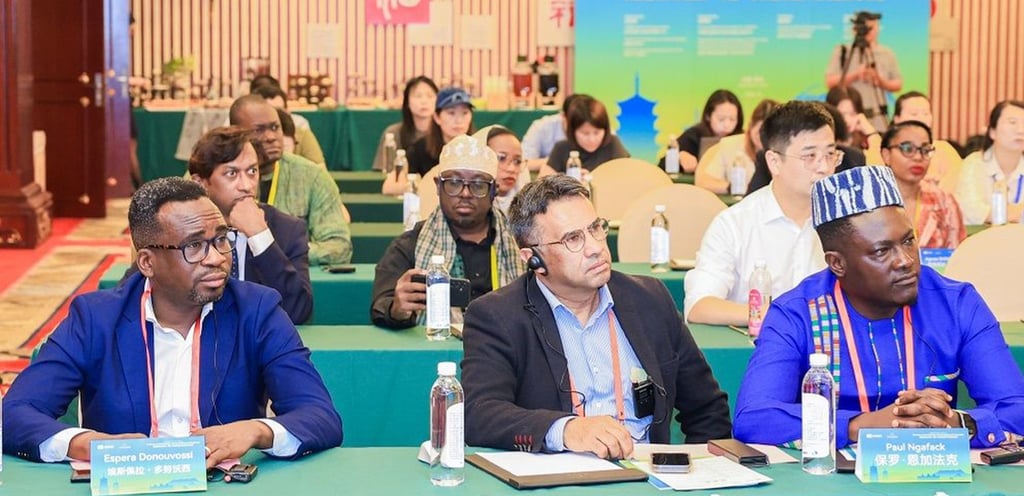
Qin Changwei, secretary general of the Chinese National Commission for Unesco, said Africa’s “geographical representation is clearly insufficient, and some African countries still have no properties inscribed”.
“This means we have a great deal of work to do, but it also means there is enormous potential for future cooperation,” he told delegates at the event.
Lazare Eloundou Assomo, director of Unesco’s World Heritage Centre, addressed the opening ceremony by video and expressed his hope that participants would take Chinese practices and Quanzhou’s conservation experience back to Africa.
Qin also linked the cooperation to China’s Global Civilisation Initiative and Belt and Road Initiative, as well as the African Union’s Agenda 2063, according to the Quanzhou Municipal Cultural Relics Protection Centre.
Quanzhou’s municipal government established a fund to support this project in March 2025, the China News Service reported. Unesco said the China Funds-in-Trust (Quanzhou) for Capacity-Building on World Heritage in Africa launched with an initial budget of US$1 million.
Quanzhou’s World Heritage listing, granted in 2021, comprises 22 sites, including temples, docks and bridges that document its role as a maritime trading centre during the Song (960-1279) and Yuan (1279-1368) dynasties.
Quanzhou aims to become a model for heritage conservation and use its experience to build cooperation with African countries. The city has introduced heritage protection regulations and sought to keep historic places inhabited and maintained, making conservation part of residents’ daily lives.
Preparing a World Heritage site nomination can take years of research, surveys and conservation planning as countries document a site’s significance, define its boundaries and set out plans for its long-term protection.
Quanzhou’s programme gives African governments help with the costly technical work behind Unesco nominations and offers Beijing an opportunity to build diplomatic support through conservation.
Experts say Chinese funding could help countries secure recognition, but workshops alone cannot meet the continuing costs of training staff, preparing applications and protecting sites once they are listed.
Unesco requires sites to demonstrate “outstanding universal value”, meaning exceptional cultural or natural significance that extends beyond national borders. Applications must explain how a site meets the selection criteria and compare it with similar places elsewhere.
Some African countries identified potential sites decades ago. Uganda placed Nyero’s geometric rock paintings on Unesco’s tentative list in 1997, while Sudan added the historic Red Sea port of Suakin, known for its coral-stone buildings, to the list in 1994. Tentative-list entries record a country’s interest in nomination, not the submission of a completed application.
Countries remain responsible for protecting listed sites, monitoring threats and reporting on conservation when required.
“Africa is a big continent and more resources are always needed,” Shadreck Chirikure, professor of archaeological science at the University of Oxford, said.
Africa needed enough money to train heritage professionals, nominate sites and achieve equal representation on the World Heritage List, Chirikure said.
“Chinese support in terms of World Heritage nominations could provide potential help, but the general issues with the World Heritage remain: unless resourcing is consistent there need to be ways for World Heritage sites and nominations to be made sustainable,” said William Carruthers, a University of Essex lecturer who specialises in the history of archaeology, heritage and decolonisation.
Chirikure said China’s support for African heritage nominations reflected its long-standing relationship with the continent and would also bring diplomatic benefits.
He pointed to China’s historic support for the independence of many African countries and its continuing investments on the continent.
“China will get the satisfaction that it supports Africa and will gain allies in diplomacy. It will have its leadership deeply entrenched,” Chirikure said.
Carruthers suggested that China’s support for African heritage could be an attempt to consolidate its soft power.
He said that while China’s extractive policies had attracted criticism in Africa, heritage cooperation could help reduce criticism and therefore reinforce its economic interests.
For African countries, Unesco recognition brings both international standing and potential development.
The countries are seeking World Heritage status not only to protect individual sites but for the prestige that recognition brings to the nation, according to Chirikure. That is why Spain, Italy and China had hundreds of these sites between them, he said.
“Because they are of outstanding universal value, if you have them it speaks to the greatness of your country,” Chirikure said. “This can be used for promoting tourism, nation building and global diplomacy.”
Carruthers said the pursuit of World Heritage recognition was tied to expectations that tourism revenue would drive economic development. “Heritage is as much financial as anything else,” he said.
But whether those expectations were realised, or whether the benefits outweighed the negative effects of tourism development, was often overlooked, he said.
KioskNews shows a cleaned-up reading view extracted from the publisher’s page — the original always lives on their site, not ours.