Storms from El Niño could risk trees disappearing from England’s landscape, expert warns
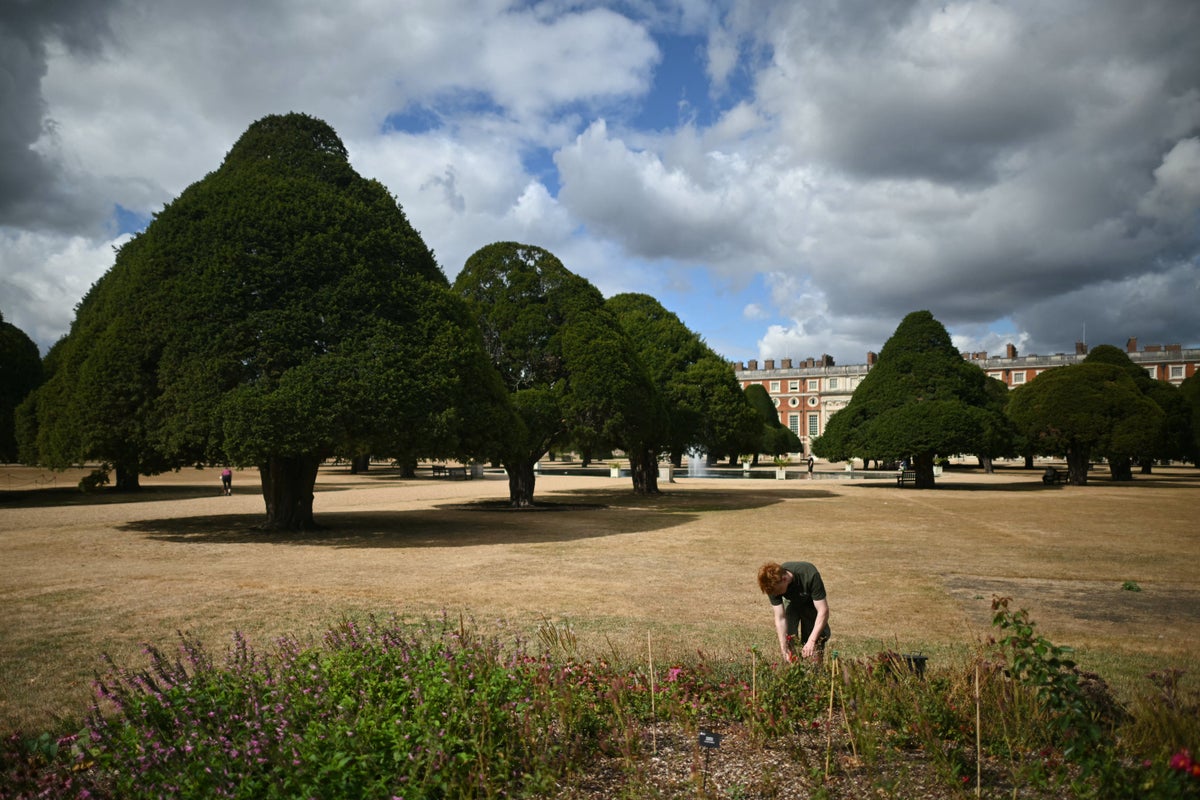
Storms associated with El Niño could pose a danger to England’s dry trees with some species at risk of disappearing from the landscape, an expert has warned.
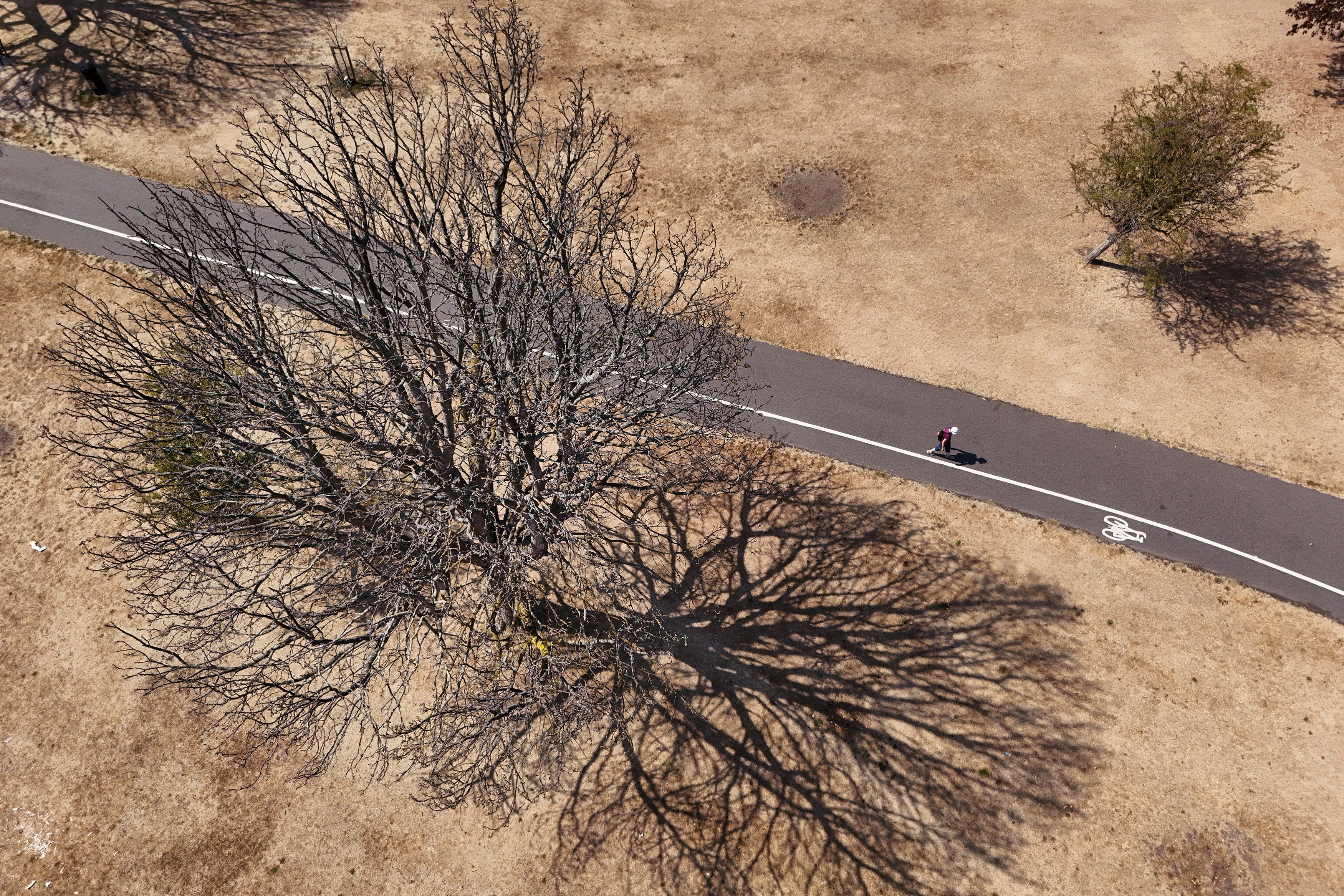
Trees across England and Wales have been left feeling fragile after one of the driest summers on record after nearly three quarters of the country experienced drought. The Met Office provisionally declared the UK’s warmest summer on record with a mean average temperature across June, July and August of 16.5C, beating the previous seasonal high of 16.1C set last year.
The forecaster has also said that the next El Niño event developing over the Pacific Ocean is set to be the strongest for more than a century with increased rainfall and storms expected this autumn.
Kevin Martin, Head of Tree Collections at Kew’s Royal Botanic Gardens has warned that this could cause further damage to England’s tree population.
“With El Niño on the horizon, the potential danger is that the effects of the record-breaking heat and drought we've just experienced won't end when the summer does. The stress on England's trees will continue into autumn and winter, compounded by the added threat of storms and strong winds,” he said.
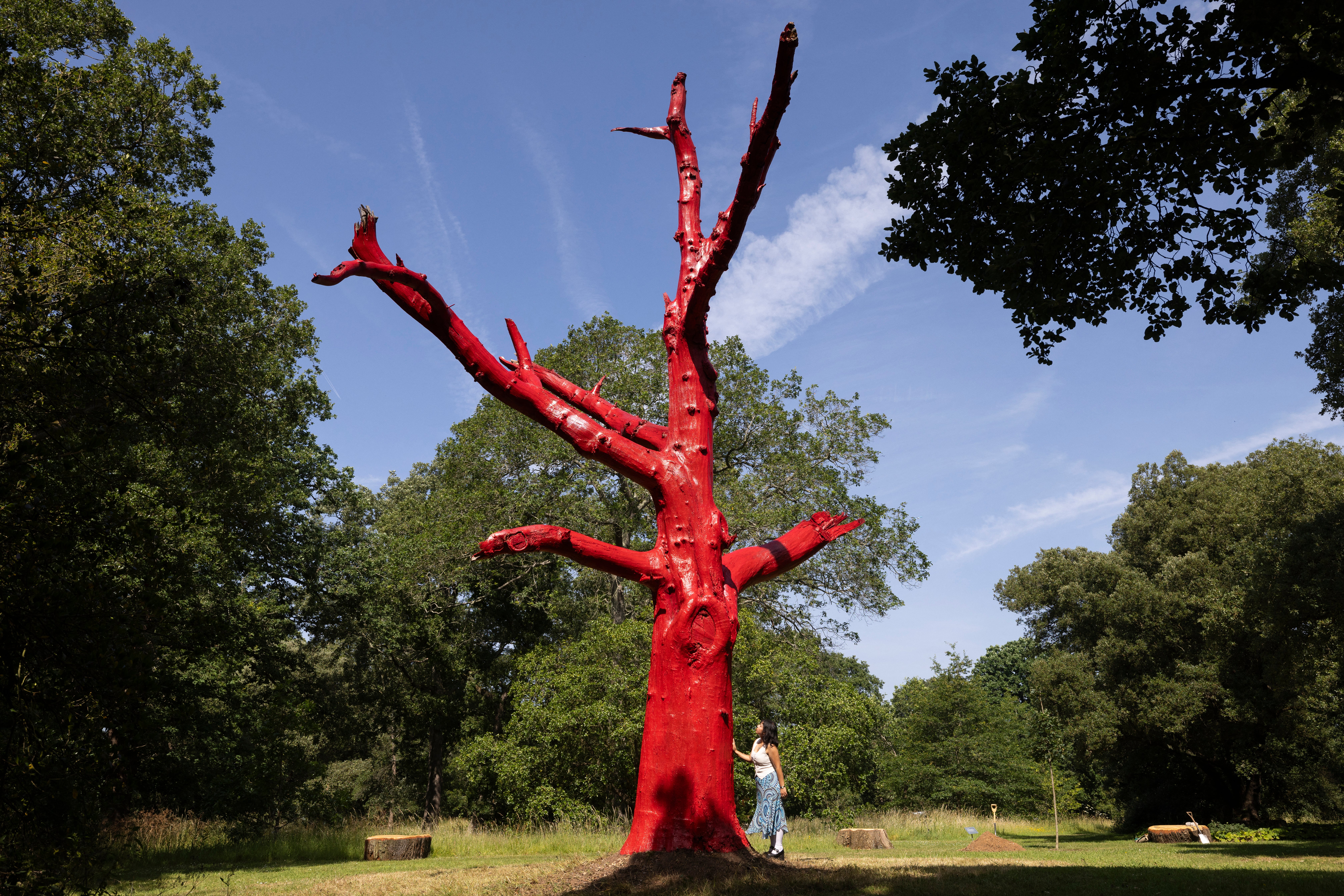
“Dry soils have already compromised the root systems that anchor trees, and common species such as oak and beech are going to be particularly vulnerable and may even disappear from the landscape we typically associate them with. We need to be ready for that change, and I expect we will witness significant tree losses across the UK this year and in the years to come.”
He added that the loss of trees would have a domino effect on the environment, ecosystem and flood mitigation.
“The summer of 2026 has already been confirmed at the hottest on record and we must see this as a wakeup call to end our reliance on fossil fuels and to rethink how we shape and manage our landscapes. Because when we lose trees, we lose the biodiversity they support, the carbon they store, and the many other beneficial ecosystem services they provide such as flood mitigation.
“The research we're carrying out here at Kew shows us there is a way to diversify our landscapes, protect the trees that can adapt to the future and introduce species that are better suited to tomorrow's conditions. Climate change is already transforming our landscapes, but we have an opportunity here to shape what comes next - we just need to be willing to act upon it now before it's too late.”
El Niño is a phrase used to describe the warming sensation of sea surface temperature that occurs every few years, which has worsened due to climate change. Research from UC Santa Barbara warned just last week that the sensation had become nearly 40 per cent more intense over last 40 years than the previous 1,000 years.
Julia Cole, professor and chair of University of Michigan’s Department of Earth and Environmental Sciences, warned last week: “The question is not whether the current El Niño is going to happen, but how bad is it going to be, and how bad will the impacts be?
“This event is superimposed on global warming, and it's likely to supercharge the temperature increase that we would normally see from greenhouse gases.”
KioskNews shows a cleaned-up reading view extracted from the publisher’s page — the original always lives on their site, not ours.