Analysis: Mothers, Money And The Punjab Vote
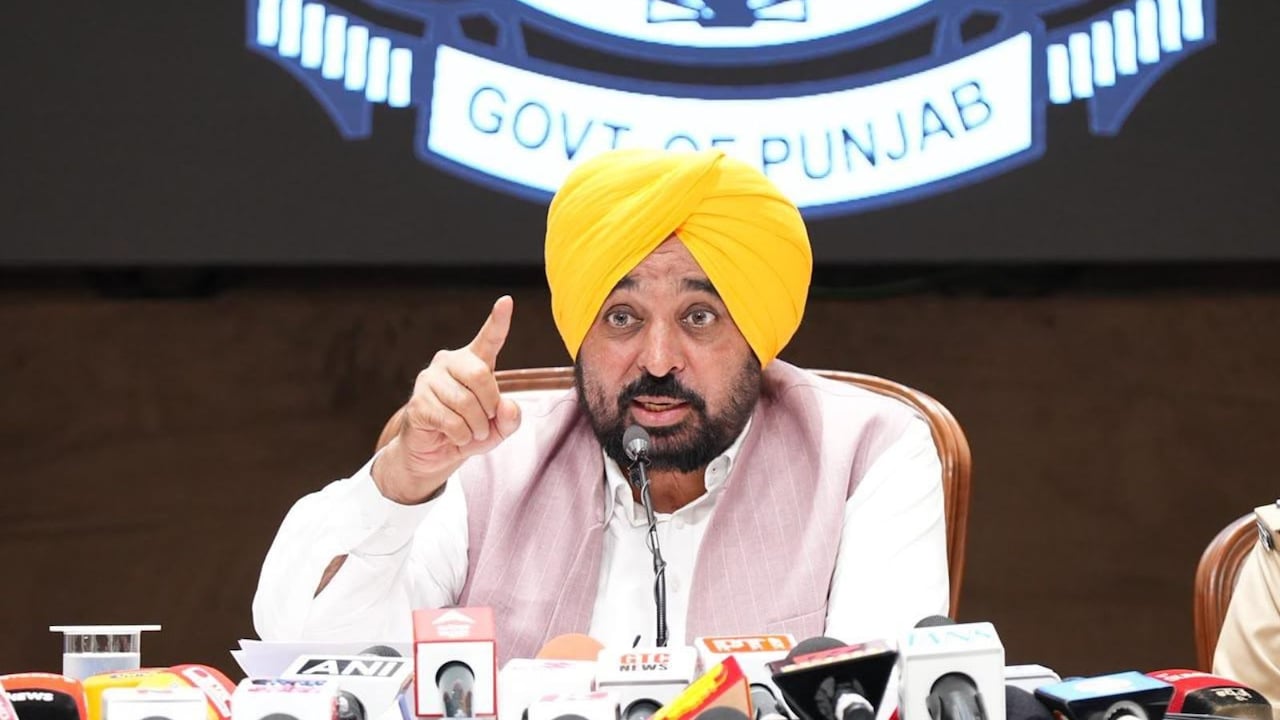
Punjab's women voters are emerging as a new political battleground, with the AAP government's direct cash transfer creating a new welfare connect with a constituency of more than one crore women, even as the Shiromani Akali Dal attempts to shift the conversation from what women receive from the government to what their families are losing to the state's drug crisis.
The contrast is becoming increasingly visible. The Bhagwant Mann government has rolled out the Mukh Mantri Mawan Dhiyan Satkar Yojana, under which eligible women receive Rs 1,000 a month, while eligible Scheduled Caste women receive Rs 1,500. The scheme has an annual outlay of Rs 9,300 crore, with the government projecting that around 97 per cent of women could be covered under its eligibility criteria.
Against this backdrop, SAD leader and Bathinda MP Harsimrat Kaur Badal has launched the 'Mawan Dhiyan Insaaf Yatra'. Beginning on September 21, the campaign has so far travelled through eight Assembly segments, including Rampura Phul, Nathana, Mansa, Sardulgarh, Lambi, Gidderbaha, Bagha Purana and Moga.
Harsimrat is putting the drug crisis at the centre of her women-centric outreach. The political argument is that the impact of drug abuse extends beyond the individual user and reaches the household, with mothers and other women often confronting the financial, emotional and social consequences when a family member becomes addicted. Her campaign is therefore seeking to make drugs a women's issue and a family issue, alongside demands for dignity, accountability and justice.
This gives the SAD campaign a different political frame from a welfare-based appeal. The AAP government's scheme offers a tangible monthly benefit to eligible women. Harsimrat's campaign is seeking to mobilise women around a problem that, according to the SAD's political messaging, affects families irrespective of whether they receive a government payment.
The size of the constituency makes the contest significant. In the 2022 Punjab Assembly election, there were 1,02,03,440 registered women electors, of whom 73,35,923 voted, giving a female turnout of 71.9 per cent. Women accounted for 47.22 per cent of registered electors and 47.42 per cent of votes polled.
In the 2024 Lok Sabha election, Punjab had 1,01,77,392 women electors, accounting for 47.19 per cent of the state's total electorate. Female turnout was 62.28 per cent.
Punjab has therefore had more than one crore women electors in both recent major elections. The data does not indicate how women voted, but it establishes the scale of the constituency that parties are seeking to engage.
For AAP, the political connect is being built through direct financial assistance. For the SAD, Harsimrat's campaign is attempting to build a competing connect through an issue that reaches into households: drugs and their consequences for families.
The emerging political contest among Punjab's women voters is thus taking shape around two different propositions: the government's ability to provide direct economic support and the opposition's attempt to turn household distress, particularly the drug crisis, into a political mobilisation issue.
KioskNews shows a cleaned-up reading view extracted from the publisher’s page — the original always lives on their site, not ours.