Immigration rules deter nearly half of Asia-Pacific air travellers, survey finds
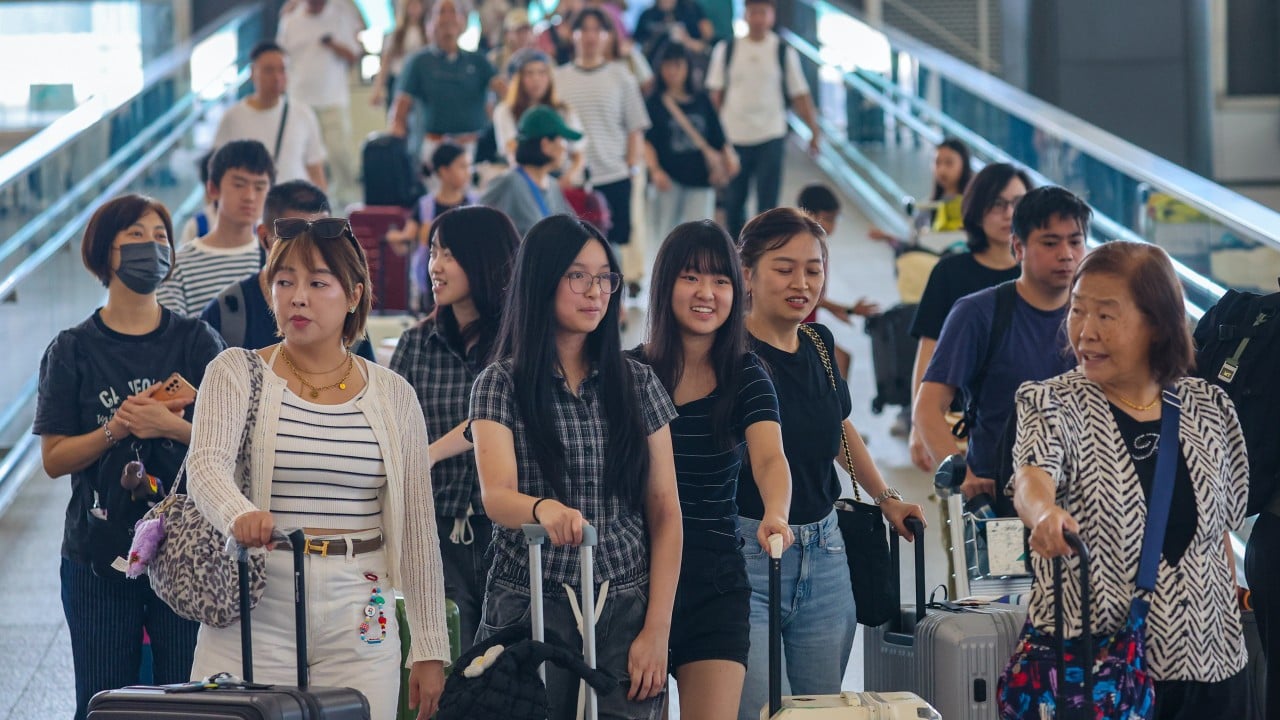
Immigration rules are discouraging a growing number of air travellers from visiting certain destinations, a global aviation survey has found, while geopolitical tensions are also influencing travel decisions, particularly in the Asia-Pacific region.
The International Air Transport Association (IATA), an airline industry body, said its annual Global Passenger Survey found that 43 per cent of respondents had been put off from visiting certain destinations by immigration requirements, up from 33 per cent last year, while 72 per cent of those deterred by geopolitical conflicts cited safety concerns as their main reason.
“Passengers are embracing technology to make travel easier. Yet many travellers continue to face barriers from complex immigration and visa processes,” said Nick Careen, IATA’s senior vice-president for operations, safety and security.
The findings of the 2026 survey, based on more than 10,000 responses from over 200 countries, were released on Wednesday evening at IATA’s World Passenger Symposium in Macau.
The survey found that 49 per cent of Asia-Pacific respondents had been discouraged from travelling by immigration requirements, above the global average of 43 per cent.
Careen said travellers in the region were also the most likely to adjust their travel plans because of geopolitical concerns.
Among respondents globally who were deterred by immigration requirements, 53 per cent cited complicated procedures as the main reason, while 17 per cent each pointed to privacy concerns and costs.
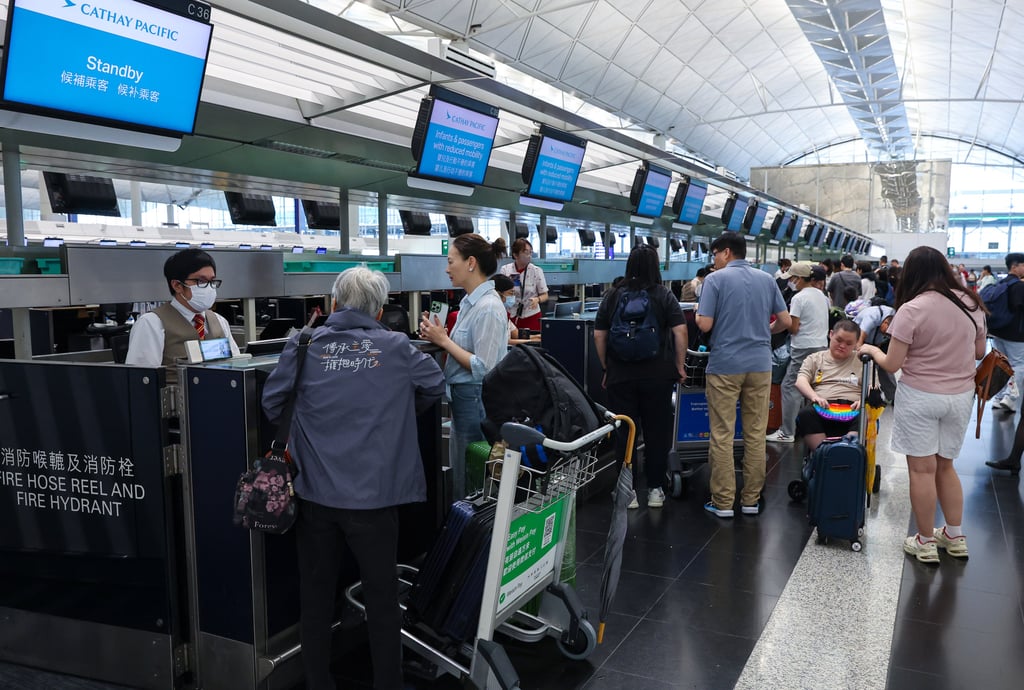
Earlier in the day, Careen said he had encountered several cumbersome visa application processes over the past year, including strict photograph requirements, malfunctioning websites and applications that had to be restarted.
He said he would not have completed some of the applications had he not been required to travel for work.
“Governments want visitors for obvious reasons. Fix the process, and you increase your revenue. No-brainer,” he said.
Careen also noted that travellers aged 26 to 40 were particularly sensitive to geopolitical tensions and complicated immigration requirements, despite being among the most comfortable with digital travel technology.
The association called on governments to simplify visa procedures and adopt common standards for digital travel documents.
Globally, 86 per cent of respondents said they were willing to share immigration information digitally before departure to speed up procedures, up from 83 per cent last year.
Another 45 per cent preferred completing immigration formalities before arriving at the airport, compared with 41 per cent in 2025.
The survey also found that 60 per cent of travellers preferred applying for visas online, against 25 per cent who favoured applying in person at an embassy or consulate.
“More than 100 countries issue eVisas, yet there is little consistency in how they are checked,” Careen said.
“The tools to fix that already exist, and governments should adopt them.”
Beyond immigration concerns, the survey highlighted the growing use of artificial intelligence in travel planning, with 49 per cent of respondents globally reporting having used AI for that purpose.
The figure was higher in Asia-Pacific, at 57 per cent, while the Middle East led all regions at 72 per cent.
Globally, 21 per cent had used AI to search for flights to specific destinations, 19 per cent to find cheaper fares and 17 per cent for travel inspiration.
Asia-Pacific respondents tied with those from the Middle East for highest overall satisfaction with air travel, at 90 per cent.
Despite concerns about data security, 81 per cent of Asia-Pacific respondents said they were willing to share biometric information to make airport procedures easier, compared with 78 per cent globally.
KioskNews shows a cleaned-up reading view extracted from the publisher’s page — the original always lives on their site, not ours.