Israeli joint mission trains Ghanaian students to build custom rehab gear for disabled youth
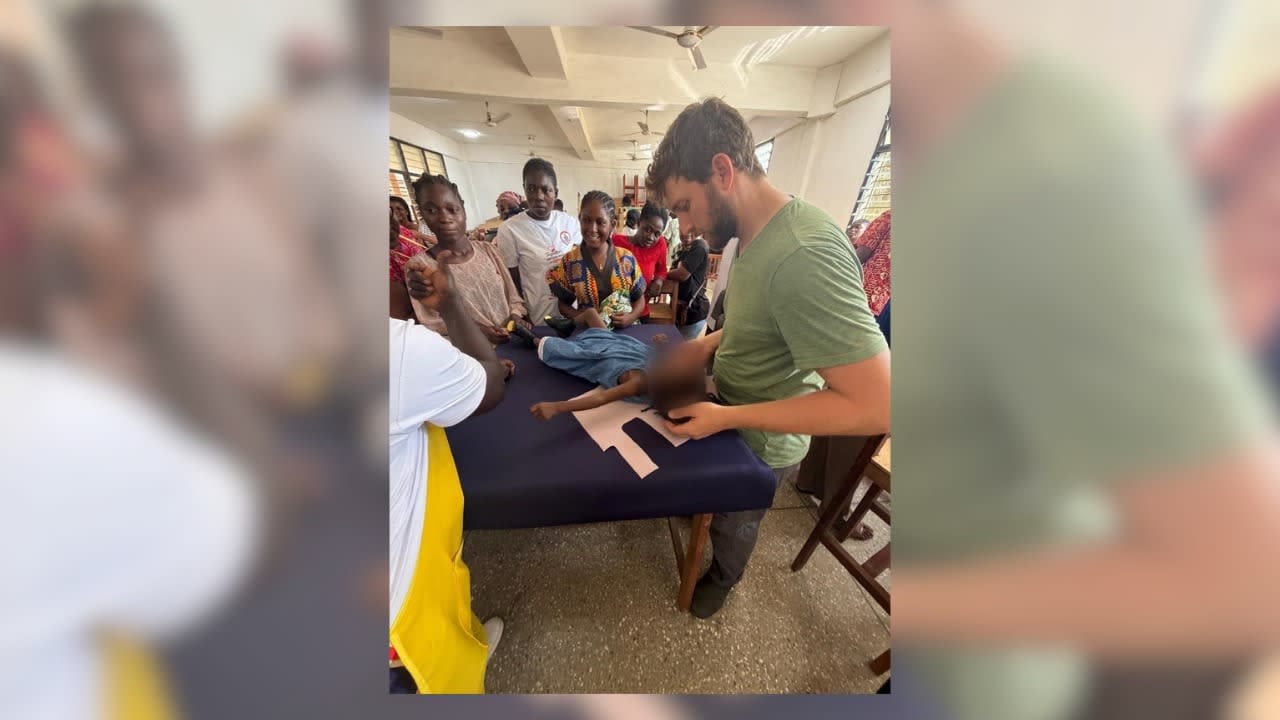
Israeli engineers and rehab specialists teamed up to turn bamboo and recycled plastic into custom mobility devices for children, building a permanent innovation hub.
Israeli engineers and rehabilitation specialists from Engineers Without Borders Israel (EWB-IL), Jerusalem’s ALYN Hospital, and Afeka Academic College of Engineering completed a joint mission in Ghana to develop customized pediatric rehabilitation devices using locally sourced bamboo, wood, and recycled plastic recovered from jerrycans and discarded bottles.
During the mission, the Israeli team worked alongside local counterparts to build posterior walkers, splints, supportive braces, and specialized seating. They also provided intensive hands-on training to 40 Ghanaian students, conducted clinical assessments for 10 children with disabilities, and integrated local mothers into the production process.
The initiative aims to establish a local center that is capable of developing, manufacturing, and repairing rehabilitation equipment year-round, shifting from foreign aid dependency to local self-sufficiency.
"We are not coming to Ghana to deliver ready-made solutions from Israel," said Michal Dolev Hashimsony, CEO of Engineers Without Borders Israel. "Our goal is to build local capacity so that professionals and families can identify needs, develop solutions, and improve them over time."
To anchor those efforts permanently, the partners are establishing the Center for Appropriate Assistive Technology and Innovation in Winneba, Ghana. The facility builds on a two-year project led by EWB-IL in collaboration with the University of Education, Winneba (UEW), and the Hearts, Hands and Voices Foundation (HHVF), a local organization supporting children with disabilities and their families.
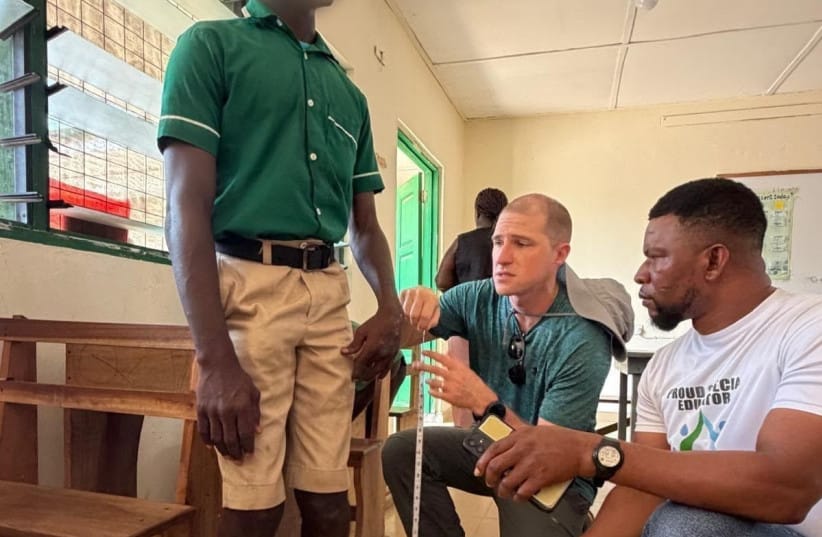
"For a child with a disability, the right assistive device can make a significant difference in their ability to move, sit, participate in everyday activities, and engage with their community," said Dr. Maurit Beeri, director general of ALYN Hospital. "The challenge is not simply to develop the right device, but to ensure that it can be adapted, repaired, and maintained over time."
Focus on self-sufficiency
This focus on self-sufficiency also prompted local mothers of children with disabilities to transition from seeking aid to actively joining production teams, opening potential avenues for vocational training and local income.
According to Ayelet Levin-Karp, CEO of SID Israel, the umbrella organization for Israel’s humanitarian aid community, the Ghana initiative highlights how Israeli international development goes beyond exporting innovation, focusing instead on building lasting local capacity so communities can continue improving lives long after visiting teams return home
KioskNews shows a cleaned-up reading view extracted from the publisher’s page — the original always lives on their site, not ours.