Madras High Court slams ‘gold digger’ jibe: ‘Don’t demean mother seeking child support’
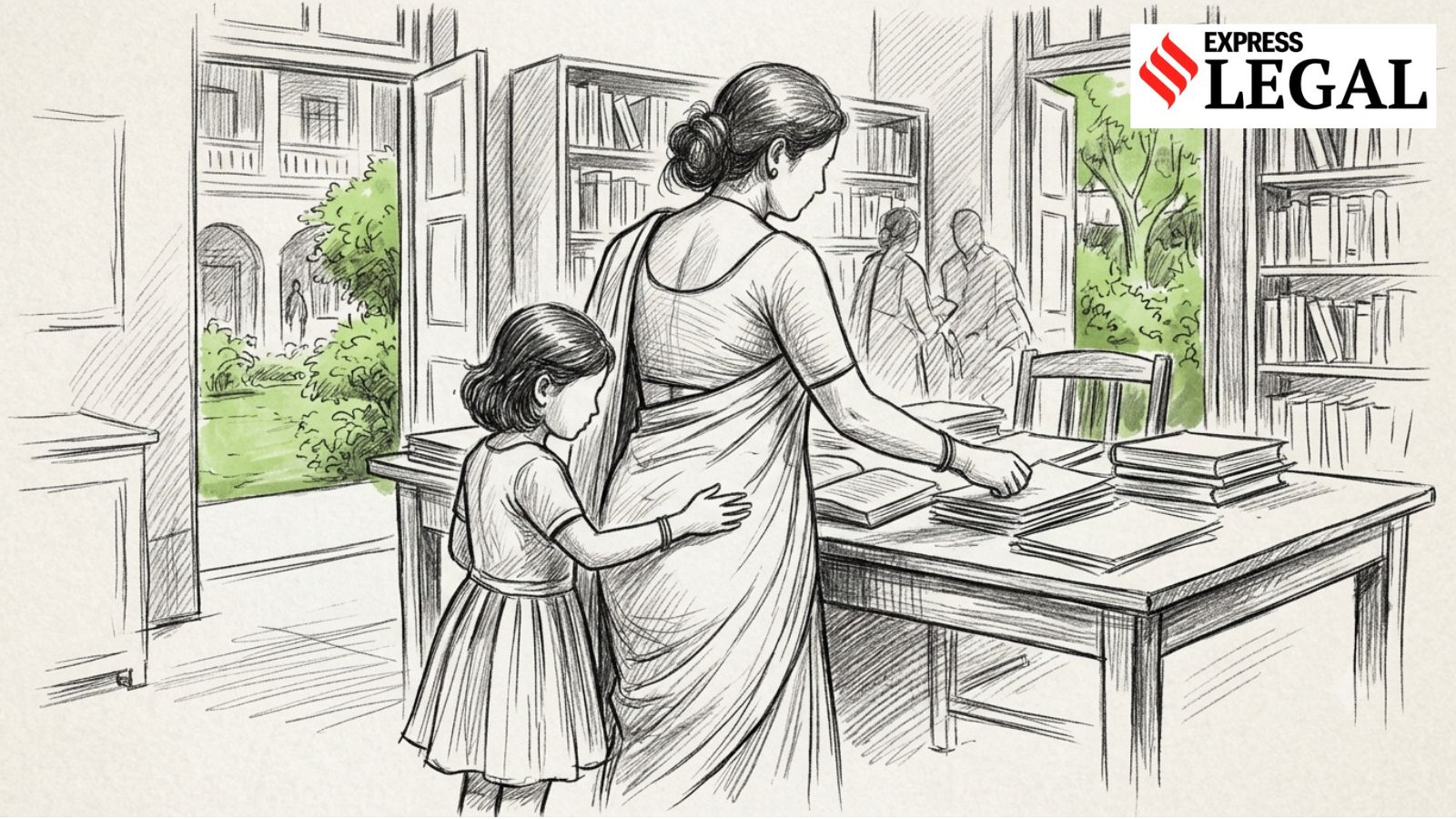
It is unacceptable to call a woman a ‘gold digger’ for seeking money towards her child’s education, medical treatment and upbringing, the Madras High Court has said, warning against questioning a mother’s character when she approaches a court for legitimate child support. Dismissing a father’s challenge to a Rs 6.14 lakh expense claim for his minor daughter, the court said a mother’s financial independence, even when she works as a university professor, does not absolve the father of his parental responsibility.
Justice M D Sumathi was hearing a father’s revision petition challenging a September 22, 2022, order of a family court directing him to pay Rs 6.14 lakh towards his minor daughter’s education, transportation and medical expenses.
“This Court considers it necessary to express its disapproval of the tendency to stigmatize women who seek financial support by describing them as ‘gold diggers’ or by attributing ulterior financial motives to them without adequate basis. Such expressions are particularly objectionable when the demand concerns the education, healthcare and upbringing of a minor child. They shift attention away from the actual question of legal responsibility and attempt to place the character of the woman, rather than the merits of the claim, on trial,” the high court observed on October 28.
The dispute arose from maintenance proceedings initiated by the child’s mother on August 14, 2014. The father had challenged the acceptance of medical and transportation bills, questioned school-fee calculations and argued that the mother had not provided timely information to enable insurance reimbursement.
While monthly maintenance arrears have been cleared, the miscellaneous expenses ordered by the court had accumulated over the years and remained unpaid. The amount of Rs 6.14 lakh basically represents these unpaid expenses towards the minor daughter’s education, transportation and medical needs.
‘Gold digger’ remark can’t replace examination of claims
The high court strongly disapproved of describing women seeking financial support as “gold diggers” or attributing ulterior motives to them without adequate basis. “Disparaging or humiliating a woman for seeking legitimate support must not be normalized or encouraged. The right to contest a claim does not confer a right to demean the person who brings it.”
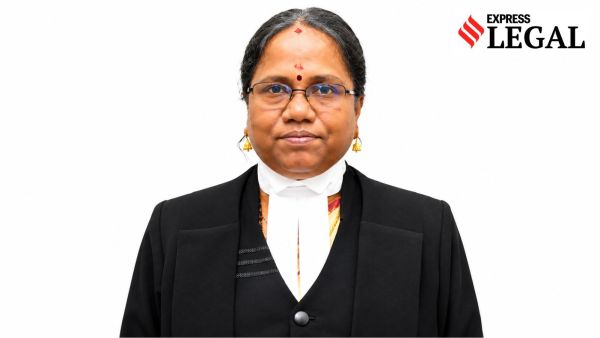 Justice M D Sumathi said a mother’s financial independence can’t extinguish the father’s independent responsibility towards their child.
The court clarified that disputed bills could be examined, payments already made had to be credited and expenses outside the governing order could be excluded. However, allegations about a woman’s character or supposed greed could not replace an objective examination of her claim.
Story continues below this ad
“A woman who approaches a Court seeking reimbursement of expenses incurred for her child should not have to defend her dignity in addition to establishing the amount legally due,” the court said, adding that judicial proceedings must determine rights and liabilities, not become a means of inflicting personal indignity.
Mother’s income does not absolve father
The court noted that the mother worked as a professor at Bangalore University but said her financial independence could not extinguish the father’s independent legal and moral responsibility towards their daughter.
It observed that a mother’s contribution could not be measured only in monetary terms, pointing to the everyday responsibilities of ensuring school attendance, arranging medical consultations, supervising education and providing emotional support.
“The mother must not be placed in the unfair position of having to demonstrate financial helplessness before the father is expected to fulfil his obligations. Nor should a woman be criticized merely because she is capable of earning for herself and simultaneously seeks the father’s contribution towards the legitimate needs of their child,” the court said.
Story continues below this ad
“A woman does not forfeit her child’s entitlement to support because she has worked hard to become financially independent. Her strength and self-sufficiency should not be used against her,” the judge stated.
The family court had initially directed the father to pay Rs 5,000 per month each to his wife and daughter in July 2015. Following fresh consideration, it directed him in January 2017 to pay Rs 20,000 per month towards the daughter’s maintenance from January 2016, besides specified educational and medical expenses. The wife’s maintenance claim was dismissed.
On November 2, 2018, a compromise was recorded before the high court under which the father undertook to discharge the mortgage on a flat and settle the property jointly with the mother in favour of their daughter. The compromise also changed the commencement date of maintenance to August 14, 2014, the date the original petition was filed. However, the proposed property settlement was never completed.
The mother later sought recovery of Rs 19.62 lakh, including Rs 11.60 lakh towards monthly maintenance for 58 months between August 2014 and May 2019, and Rs 8.02 lakh towards educational, transportation, medical and other expenses.
Story continues below this ad
The family court accounted for Rs 11.87 lakh paid by the father and found no further monthly maintenance arrears payable. It separately examined the additional expenses, excluded claims towards Hindi tuition, drawing, dance and daycare as outside the earlier order, and accepted transportation expenses of Rs 1.22 lakh and medical expenses of Rs 2.64 lakh, along with other eligible educational expenses. It also deducted Rs 28,666 towards school fees already accounted for. The resulting amount was Rs 6.14 lakh.
The father argued that the medical and transportation bills should not have been accepted, that the mother had failed to provide timely information for insurance reimbursement and that certain school-fee payments had been overlooked.
Rejecting the challenge, the high court said the family court had examined the rival accounts, credited established payments and excluded expenses outside the earlier order. Merely arguing that insurance reimbursement could have been obtained did not establish that the child’s medical expenses had not been incurred.
The court, thus, dismissed the revision petition and confirmed the Rs 6.14 lakh payment.
KioskNews shows a cleaned-up reading view extracted from the publisher’s page — the original always lives on their site, not ours.