Restroom Archive gives public bathrooms their due
Breakthroughs, discoveries, and DIY tips sent six days a week.
By signing up, you confirm you are 16+, will receive newsletters and promotional content and agree to our Terms of Use and acknowledge the data practices in our Privacy Policy. You may unsubscribe at any time.
People generally want to spend as little time as possible in a public restroom. The vulnerability, the crass graffiti, the (lack of) cleanliness, uncomfortable toilet seats—the list of reasons is lengthy. But despite their infamy, public bathrooms remain an absolute societal necessity that deserve much more appreciation. At least, that’s what designer Jake Welch believes.
“There is perhaps no space in society which better captures the creativity and impertinence of humans when they know that nobody else is watching,” Welch explains in the description for his ongoing Restroom Archive project.
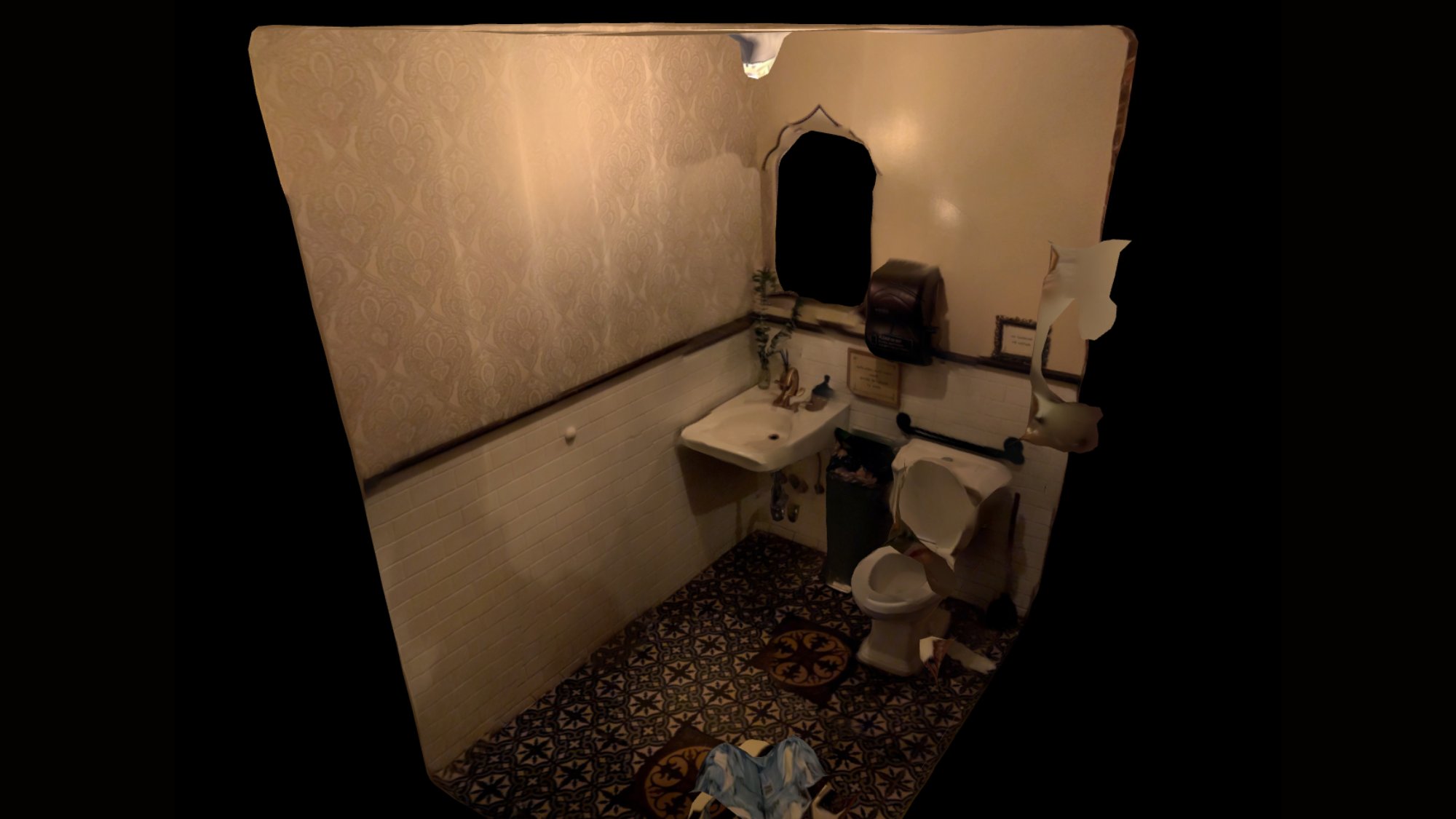
Although he admits the Restroom Archive started as a joke in 2023, he officially launched the site last year. It already features nearly 100 bathrooms, including amenities found in restaurants, gas stations, coffee shops, and various other public spaces in 36 cities across the United States and Europe.
Welch isn’t a one-man urinal investigation unit, however. Almost 250 archivists have contributed to the project so far, and anyone is welcome to help document this wide and weird subsection of urban planning. As long as you can provide a 3D scan of a bathroom. While scanning a building’s interior may sound technical, Restroom Archive includes a quick how-to section on the website. The easiest way is to download a LIDAR-based smartphone app called Polycam to digitally map each space, but Welch offers a couple alternative routes, as well. Volunteers then tag the bathroom’s location and provide a brief description of the lavatory itself.
“This compact stall has white painted cinder block walls and a speckled tile floor with an open top with a pale yellow door trimmed in a brick red,” reads one entry for a graffiti-covered faculty bathroom in the Fine Arts building at Spain’s University of the Basque Country.
“A sign in the back left of the stall encourages users in Spanish and Basque to ‘not leave evidence’ on the toilet seat,” the uploader added.
KioskNews shows a cleaned-up reading view extracted from the publisher’s page — the original always lives on their site, not ours.