Social media ban for U16s is coming to the UK – here’s how it will work
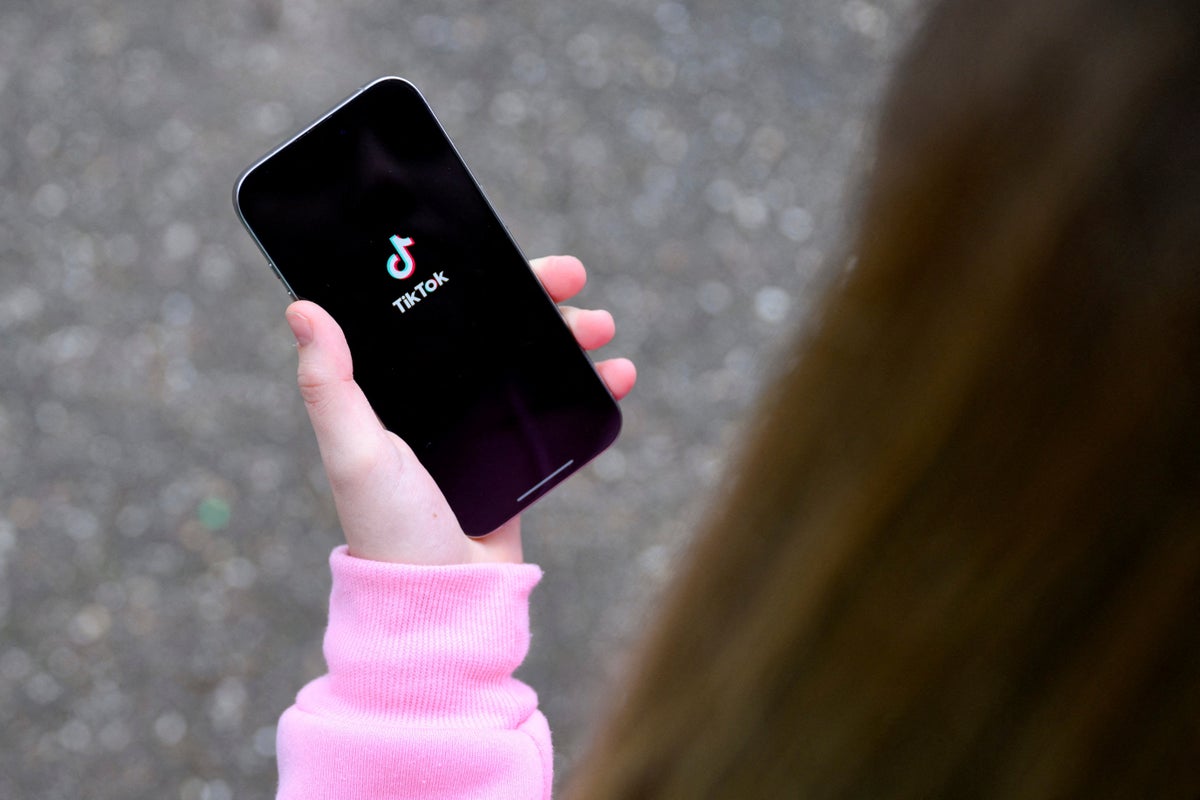
Children under 16 will be blocked from using the biggest social media sites next year, but experts are concerned some young people will be able to bypass the restrictions.
More than 55 million people use social media in the UK and the regulator Ofcom has shared the best methods of identifying which users are under 16.
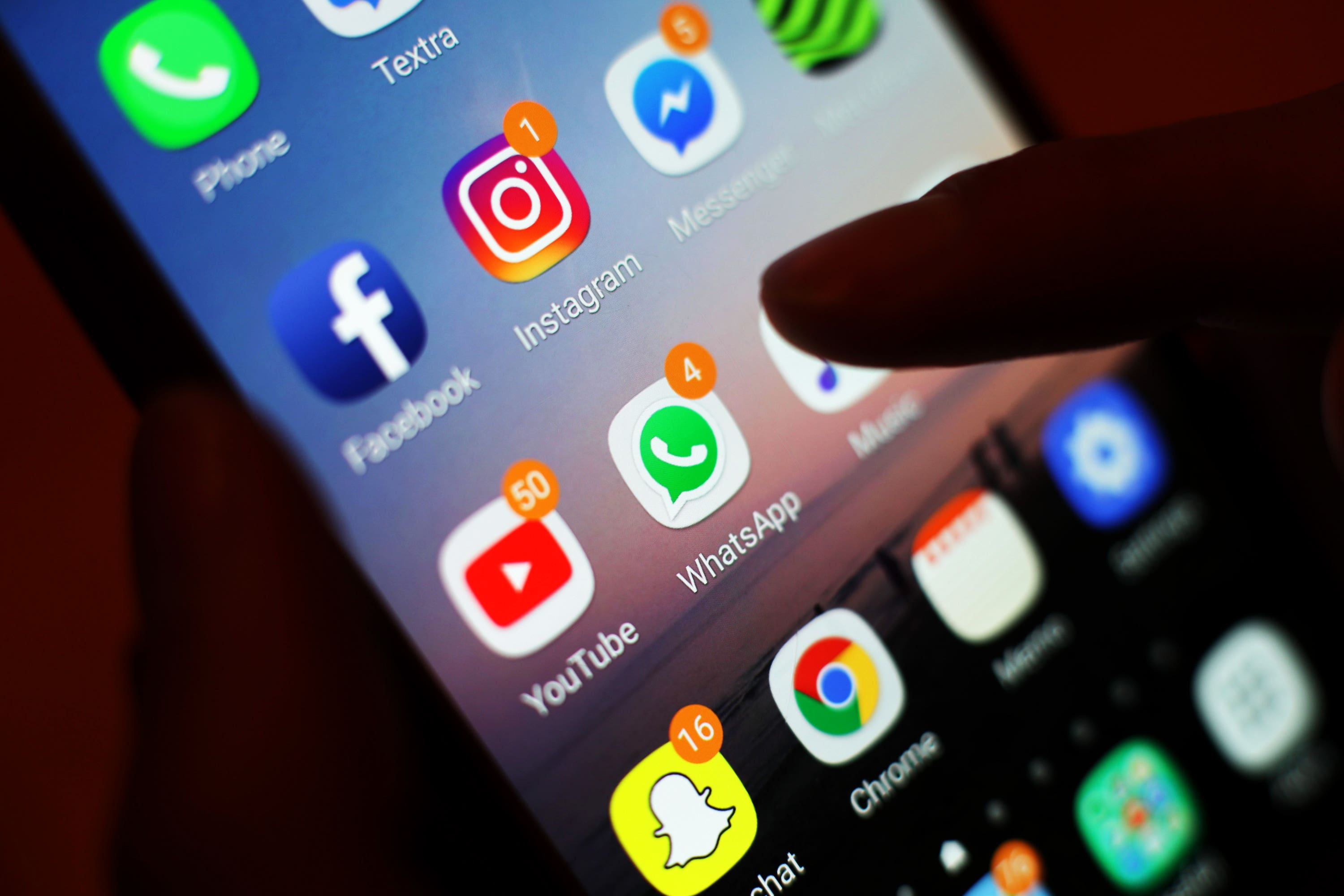
The ban is due to come into force in March 2027 and will stop children from accessing the ten biggest platforms including TikTok, Instagram and Snapchat.
A similar ban was introduced in Australia last year, but children have managed to find their way around the rules and download social media apps.
However, checking social media users' age can prove challenging because many 16 and 17-year-olds do not have credit cards, driving licences or passports — it can also be hard to verify age based on appearance.
That’s why Ofcom has recommended some tougher measures to identify which users are under age.
What age verification methods could be used?
The regulator has suggested four methods that could be “highly effective” at age checking. These are:
- Photo ID matching
- Banking checks
- Digital ID services
- Face age estimation technology
Ofcom explained credit card checks, mobile network operator checks and email estimation are only effective for over 18s. It added that self declaration is not considered “highly effective” at any age.
Will adults also have to confirm their age?
Many adults are likely to have to confirm they are not under-age, but it’s not yet known how this will be enforced.
Ofcom said there would be a "large number of accounts" that social media companies would need to deal with, according to the BBC.
Will children be able to bypass restrictions?
It’s “inevitable” some under-16s will get around the checks, Ofcom has warned.
The regulator added that social media firms could reduce the risk by making it easier to report suspected underage accounts or by using technology that estimates a user’s age from their online behaviour.
It also stressed some facial recognition technology could be inaccurate by several years, meaning some users would need to undergo a second check.
Ofcom chief executive Dame Melanie Dawes said: “This ban will shape the future of children’s lives online so it’s important to get it right.
“It can work if social media firms do highly effective age checks properly, and we’ve set out ways that could be achieved.
She added: “We should expect that motivated children will seek to bypass the restrictions – just like alcohol laws can’t completely eradicate underage drinking – but there’ll be ways for platforms to mitigate this risk.”
The regulator said it was developing draft guidance for social media firms that would open for consultation when the Government’s plans come before Parliament.
Why is the ban happening?
The government’s ban follows a global change in attitude towards social media companies prompted by Australia’s own social media ban for under-16s in December last year. Countries such as Spain, Greece, Portugal and Denmark have all since decided to look at changing the age at which they can access social media.
A consultation for a social media ban, which ended on 26 May, was declared one of the biggest national conversations, with more than 116,000 responses submitted by parents, children and experts across the country.
The responses showed overwhelming public backing for tougher action. Not only did 90 per cent of parents support a ban, but the government also claimed two-thirds of young people agreed that children below 16 should not be allowed to use at least some social media platforms.
KioskNews shows a cleaned-up reading view extracted from the publisher’s page — the original always lives on their site, not ours.