US Tariffs, China Competition: Volvo Cars To Cut 2,500 Jobs, Most In Sweden
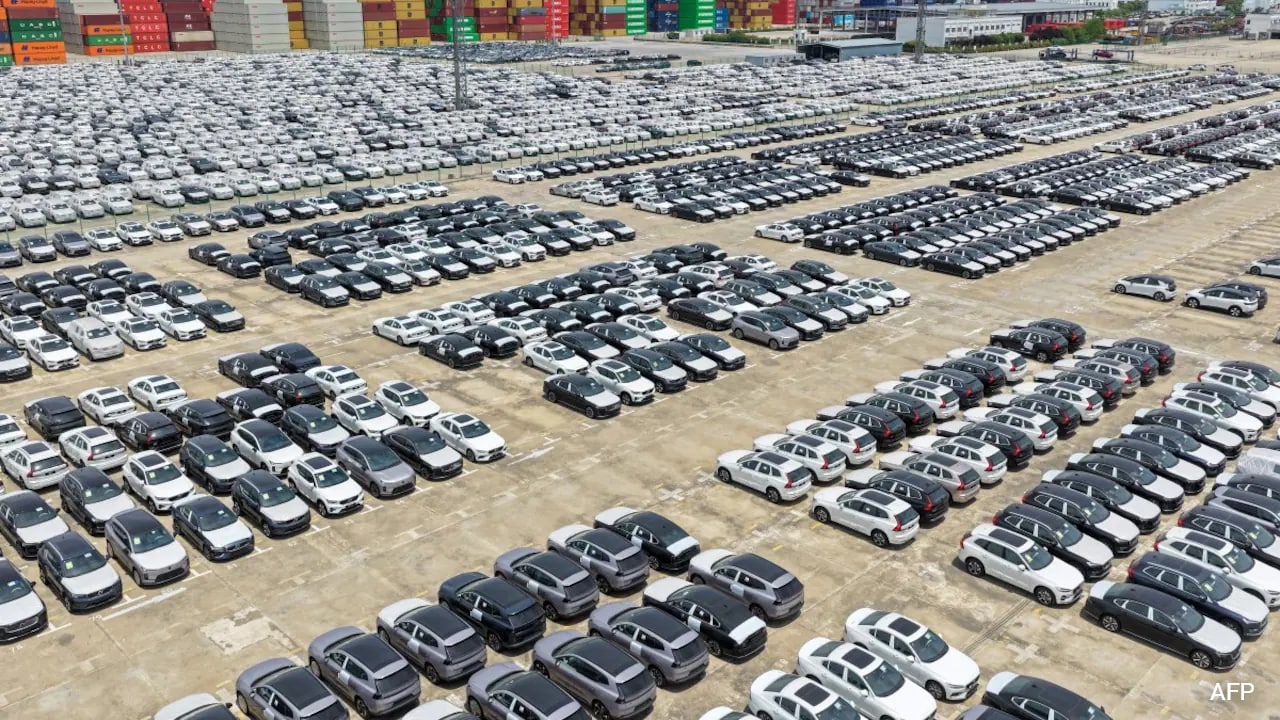
Swedish carmaker Volvo Cars said Friday it would cut about 2,500 jobs worldwide, as US tariffs and strong competition from local brands in China pushed it into a third-quarter loss.
The company, owned by Chinese group Geely, reported revenue of 66.9 billion kronor ($6.7 billion) for the third quarter, down nearly 23 percent from the same period last year.
It swung to a net loss of 5.7 billion kronor for the quarter from a net profit of 4.5 billion kronor a year earlier.
"We continue to operate in a very tough environment with strong external challenges: de-globalisation, hypercompetition and climate change," chief executive Hakan Samuelsson said in a statement.
In response, the company announced a new five-billion-kronor savings plan it said would lead to about 2,000 job cuts in Sweden and 500 more globally, "through natural attrition and by targeted exit packages to employees".
The company, which had bet heavily on electric vehicles, said the removal of consumer incentives for EVs in the United States under President Donald Trump had also hit its margins.
In 2024, Volvo Cars dropped a plan to transition to exclusively EV sales by the end of the decade.
"We are convinced that we have the right long-term strategy addressing these challenges. However, in the short term, with severely challenged volumes, we need to reinforce our turnaround plan with additional decisive actions, lowering our break-even point and improving cash flows to make us more resilient," Samuelsson said.
Struggling along with other European auto companies in the face of a difficult global landscape, Volvo Cars last year announced an 18-billion-kronor cost-cutting plan.
The company said in September that Samuelsson would resign when his contract ends, with Skoda Auto CEO Klaus Zellmer set to replace him "no later" than October next year.
(Except for the headline, this story has not been edited by NDTV staff and is published from a syndicated feed.)
KioskNews shows a cleaned-up reading view extracted from the publisher’s page — the original always lives on their site, not ours.