Start planning now to meet extreme weather, urban planners told
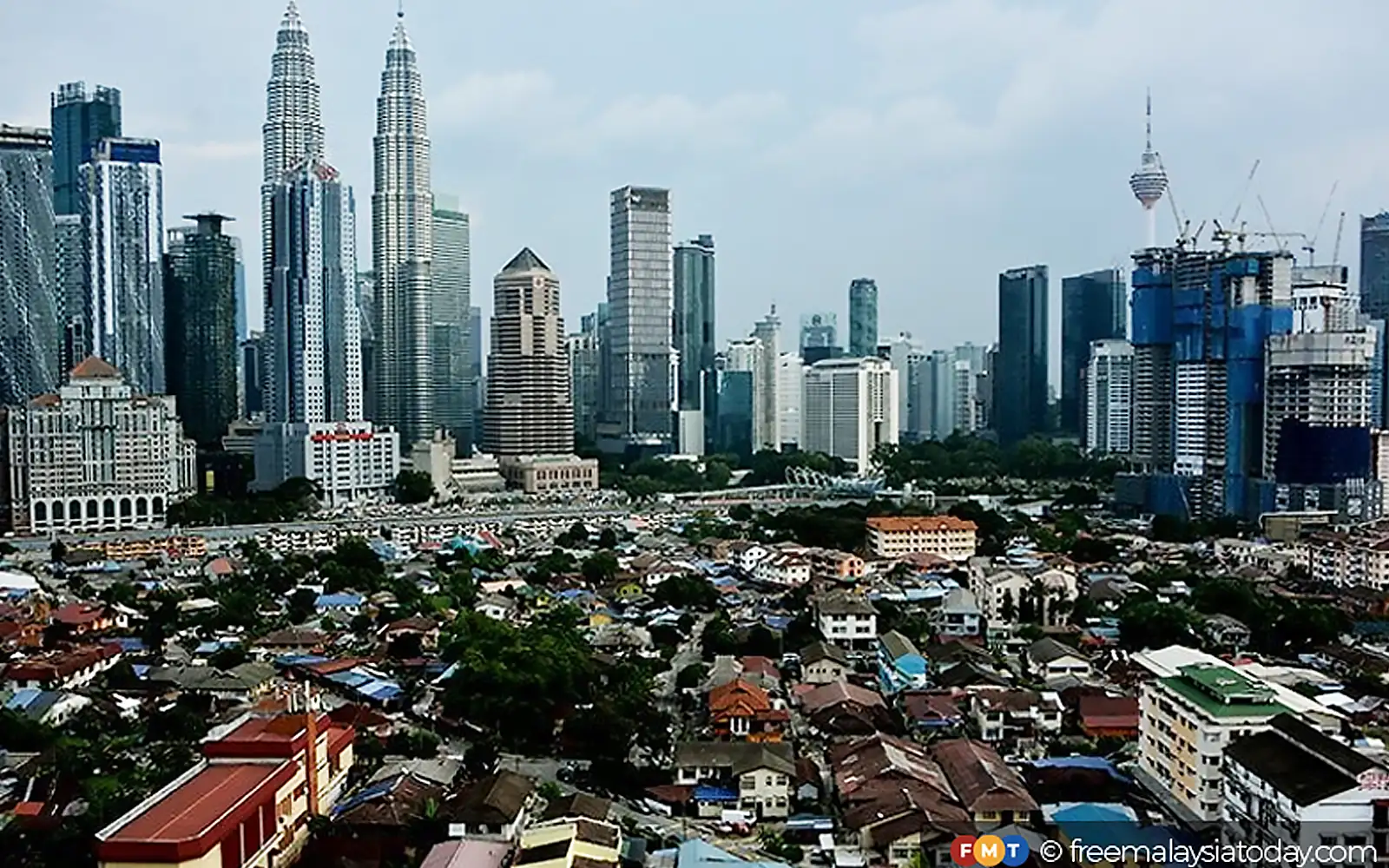
Urban planning and design should take into account the individual needs and circumstances of each city, says a former senior director with Singapore’s Urban Redevelopment Authority, the national land-use planning and conservation agency.

Larry Ng said cities need to plan for rising temperatures, sea levels and the increasing frequency and intensity of extreme weather events expected over the coming decades.
He called for closed-loop systems to be built, suited to each city’s own unique circumstances, and strengthen collective efforts to build climate-ready and resource-resilient cities. A closed-loop system is an approach in which resources and waste are reused instead of being treated as waste.
Ng, who served as URA group director for 20 years from 2004, told FMT there was a need to start planning now, to meet the impact of rising temperatures and sea levels in time to come, “because cities are built to last for decades”.
Good planning anticipates risks rather than reacting to them, he said. “A building, road, drainage system or neighbourhood planned today may still be in use 50 or even 100 years from now. If we wait until the impacts are obvious in 2100, it will be far too late to change infrastructure that has already been built.”
Ng said design, planning and policy should be regarded as interconnected areas, rather than as separate conversations; greater coordination could help avoid competing priorities and support better outcomes for cities.
“Fragmented planning decisions may result in chaotic situations where primary and secondary benefits of urban planning are not achievable in the long term,” he said. The need for proper integrated urban planning and urban design is critical, especially when land availability is a serious constraint.”
The need to rethink Malaysia’s approach to urban planning has been highlighted by housing and local government minister Nga Kor Ming, who has called for the country’s urban planning framework to shift from a regulatory one to one that encourages innovation.
Nga said Malaysia’s urban planning system should “move away from a culture of control” and instead actively facilitate responsible developments.
Ng, who will be speaking at the International Green Build Conference next week, said a holistic approach to integrated urban planning was vital. “Engage the public and set priorities according to the needs of their cities to achieve good overall outcomes in both the short and long terms.”
He said Singapore’s policy of landscaping for urban spaces and high-rises brought together landscape architects, building owners, and property managers to encourage the incorporation of greenery into urban developments.
Subscribe to our newsletter and get news delivered to your mailbox.
KioskNews shows a cleaned-up reading view extracted from the publisher’s page — the original always lives on their site, not ours.