Peter Jackson Secures Rare Giant Moa Egg With Colossal Biosciences
Lord of The Rings Director Peter Jackson Secures Rare Egg From Extinct 12-Foot-Tall Bird
After 60 years in an American private collection, an important piece of New Zealand's prehistoric past is finally heading home.

Rob Keyes manages content planning and processes, business development, social media, strategic partnerships, branding and PR for Screen Rant and consults for CBR, Collider, and MovieWeb. You may know also him from various television and radio appearances covering the superhero beat, co-hosting the Screen Rant Underground and Total Geekall podcasts - and currently, PODCAST X - or founding and building Game Rant.
In addition to expanding and launching new verticals on ScreenRant, Rob Keyes also works with and on passion projects involving National Geographic, Colossal Biosciences, theme parks, and travel/expedition companies around the globe.
Find Rob on Twitter @rob_keyes or @failcube and if you need to reach either site, he's your guy rob [at] screenrant [dot] com.
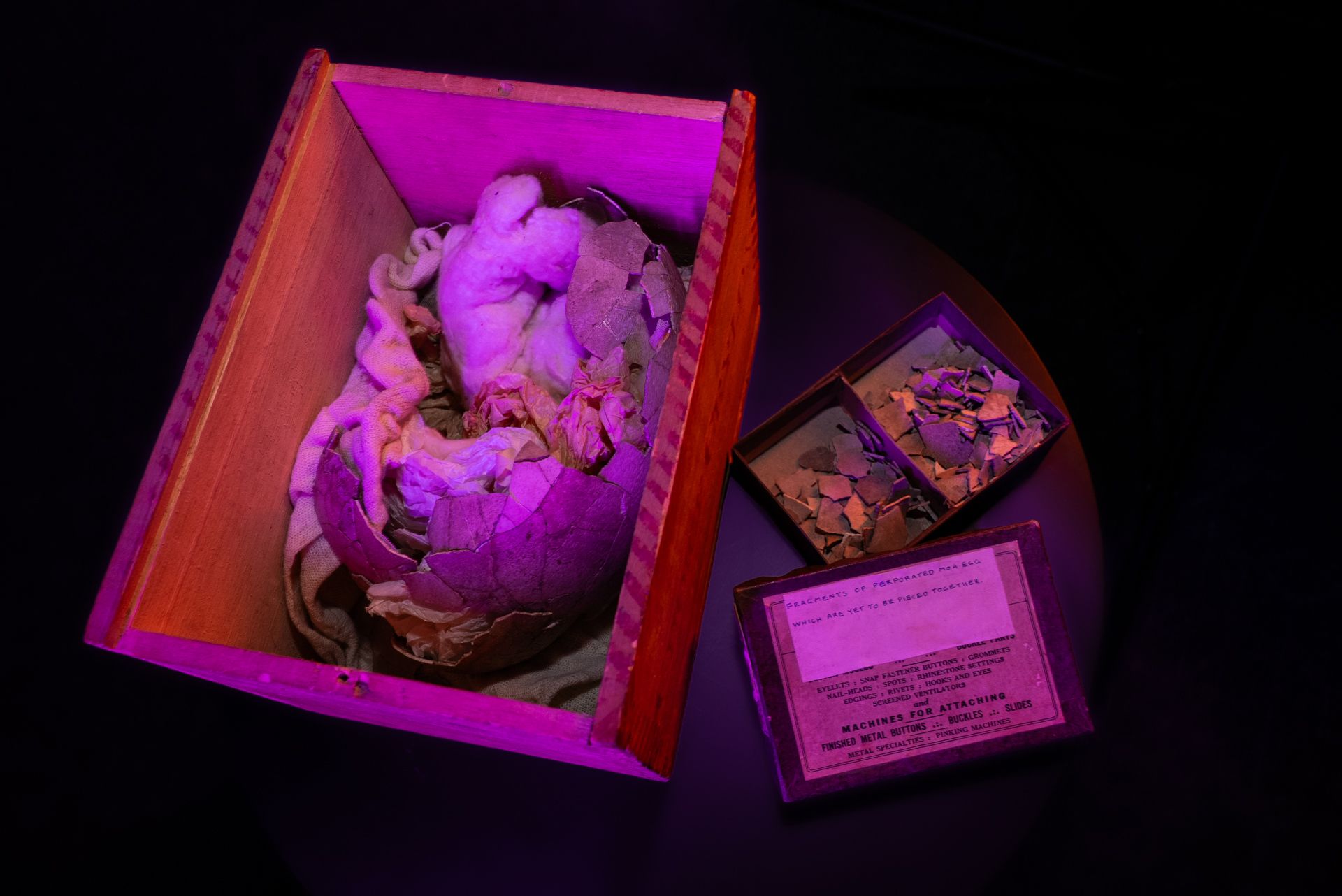
The Lord of the Rings director Peter Jackson is helping bring New Zealand's extinct giant moa back to life, a project so ambitious that it seems like science fiction and one I've been following closely for ScreenRant since it was first announced last year. Now, Jackson and Colossal Biosciences have secured an extraordinarily rare egg from the 12-foot-tall bird, which went extinct roughly 600 years ago. After spending six decades in an American private collection, the egg is finally heading home to where it belongs, New Zealand, where it may help offer some new clues for the de-extinction project.
The enormous egg measures approximately 22 by 17 centimeters, has twice the volume of an ostrich egg, and is one of only a handful of surviving examples. Fewer than 40 "sufficiently complete" moa eggs are known in public collections worldwide, and only eight retain at least 90% of their original shells.

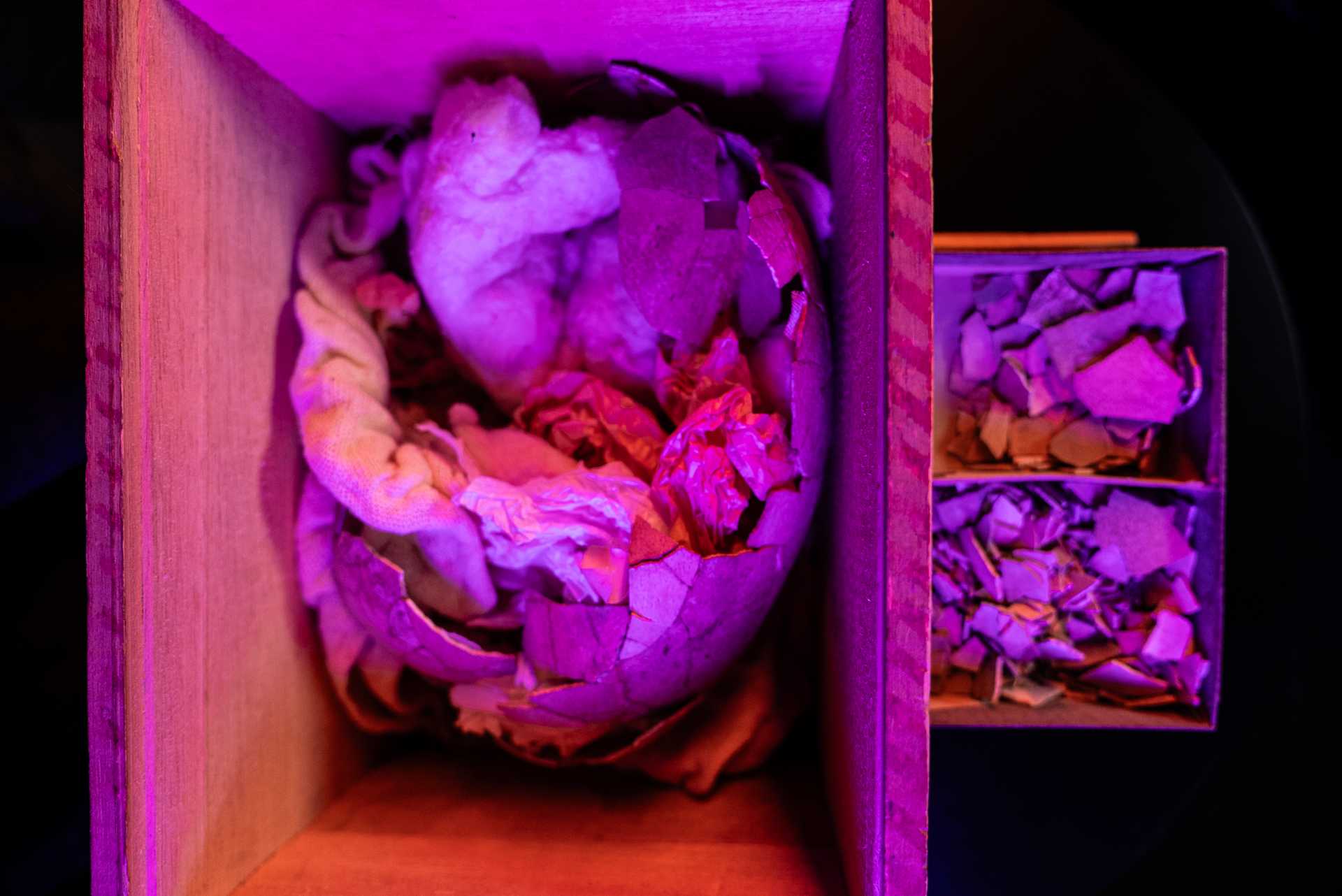
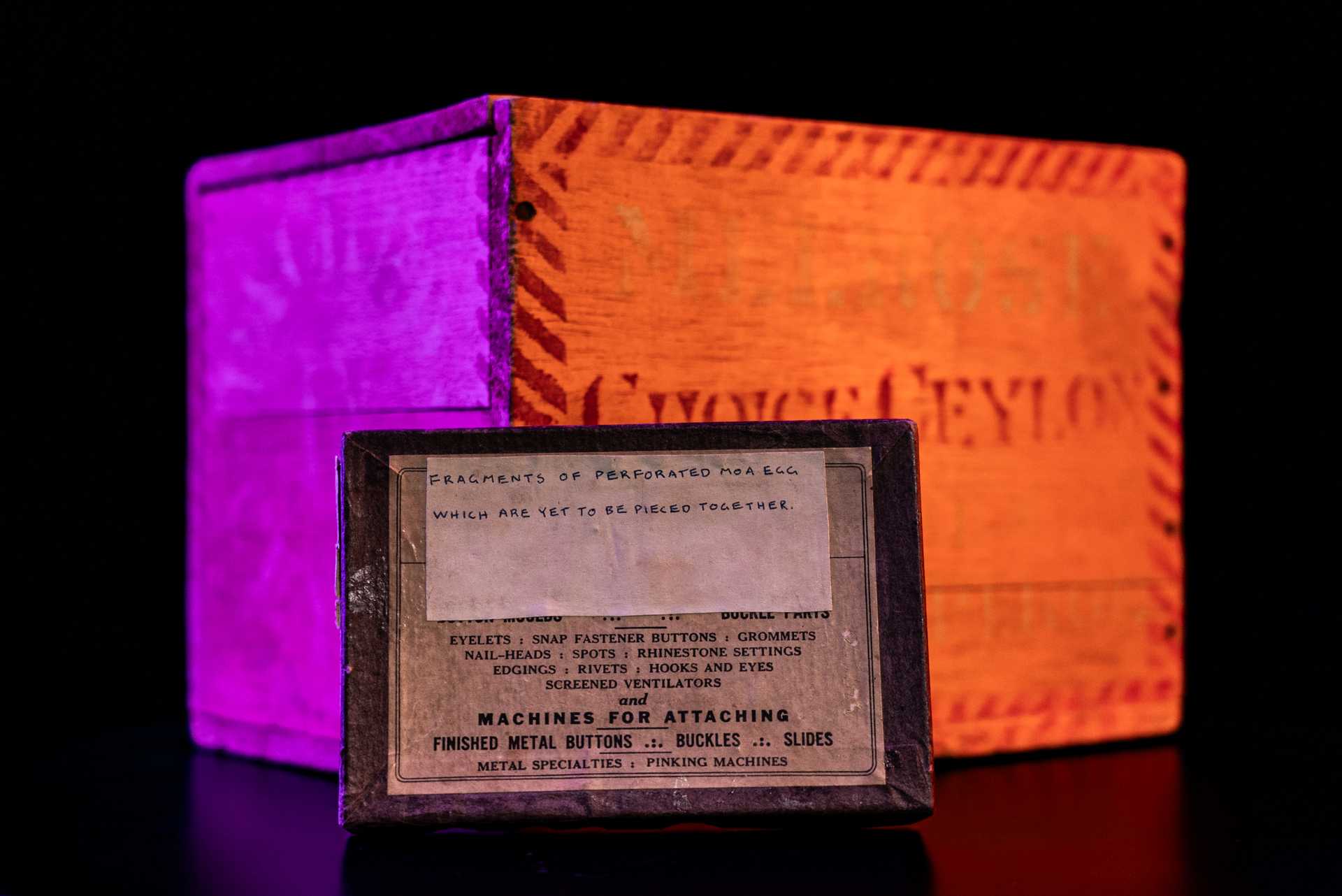
Originally discovered in 1966, the egg was acquired at an auction in Colorado earlier this year by Jackson and Colossal with the goal of bringing it back to New Zealand, where it's expected to return by December. Jackson and his partner Fran Walsh already own hundreds of moa bones, which they've made available to Colossal for its research.
Peter Jackson Is Helping Bring The Giant Moa Back From Extinction
As ScreenRant previously reported in an exclusive interview with Peter Jackson and Colossal Biosciences CEO Ben Lamm, the Oscar-winning filmmaker and his longtime collaborator Fran Walsh are backing the company's effort to bring the giant moa back from extinction as investors.
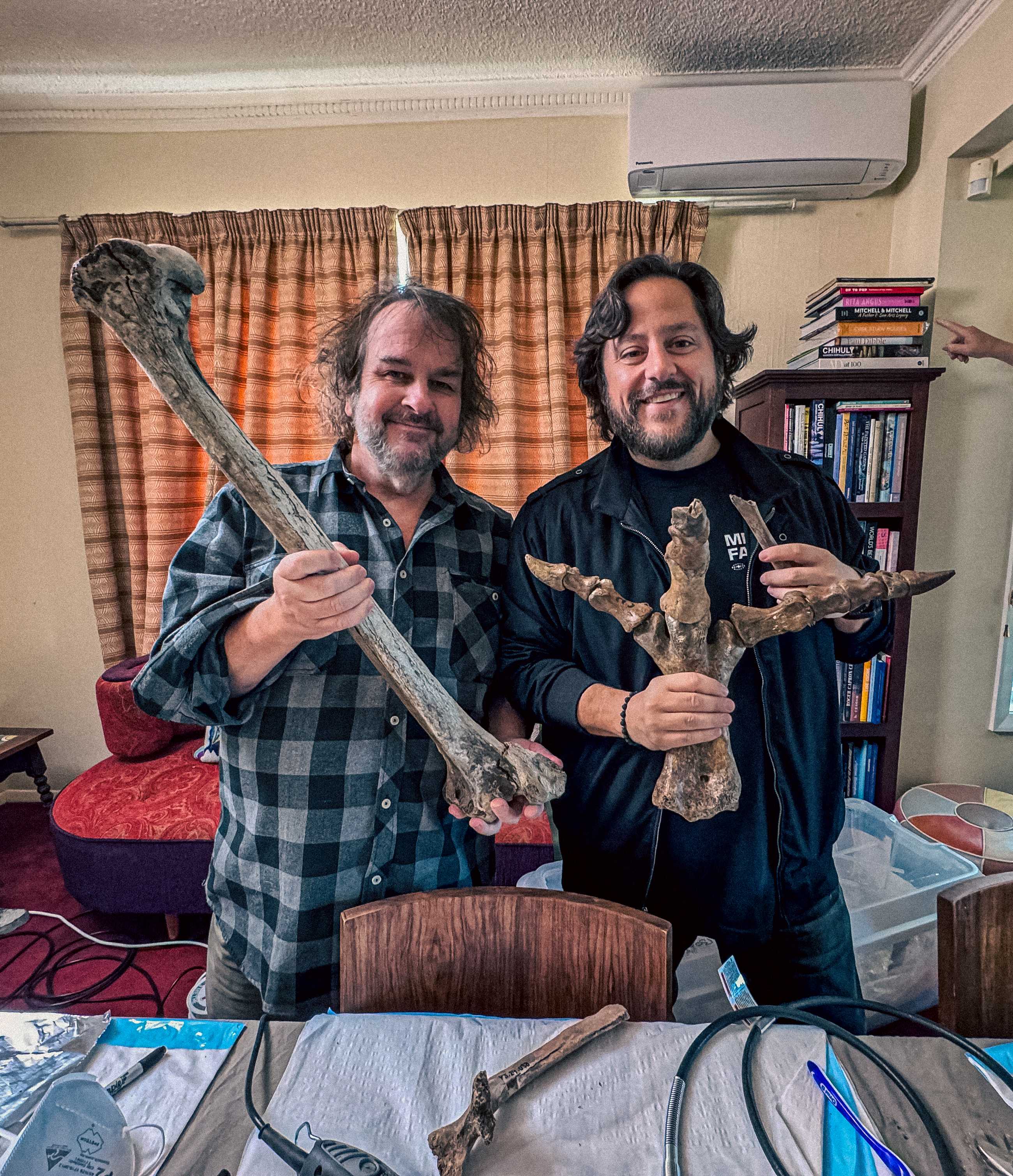
Their $15 million investment, announced in July 2025, was made to directly support Colossal's giant moa de-extinction project in New Zealand in partnership with the Ngāi Tahu Research Centre. The company's other de-extinction projects include the woolly mammoth, dire wolf, dodo, thylacine, and bluebuck. More on bluebuck coming later to ScreenRant...
Scientists involved in the moa project have begun collecting samples to sequence the genomes of all nine moa species and I've seen some of this work firsthand in Colossal's avian lab. In May 2026, Colossal announced (via National Geographic) that it had successfully hatched healthy chickens using an artificial egg incubation system designed to eventually accommodate eggs as large as those of the moa. In our interviews, however, the team also discussed exploring smaller surrogate options.

Colossal explains that the newly acquired egg could provide clues about the moa's DNA, origins, and reproductive biology, although any scientific testing has yet to be determined. Jackson and Colossal plan to present it to Professor Te Maire Tau, a Māori historian and tribal leader, to be cared for under the direction of Ngāi Tahu — the Indigenous Māori tribe native to New Zealand's South Island with deep cultural ties to the moa.
Just a few weeks ago, I visited the Museum of New Zealand Te Papa Tongarewa in Wellington and saw its giant moa exhibits firsthand (photo above). Seeing the scale of these extinct birds in person makes the ostrich seem small by comparison. And then there's Haast's eagle, which preyed on moa and was the largest eagle ever known to exist. Not to worry, though. Colossal CEO Ben Lamm tells me they're not planning to bring that one back from extinction, so your pets are safe.
KioskNews shows a cleaned-up reading view extracted from the publisher’s page — the original always lives on their site, not ours.