Audit existing sanitary sites to address waste management land shortages – WasteCare CEO urges assemblies
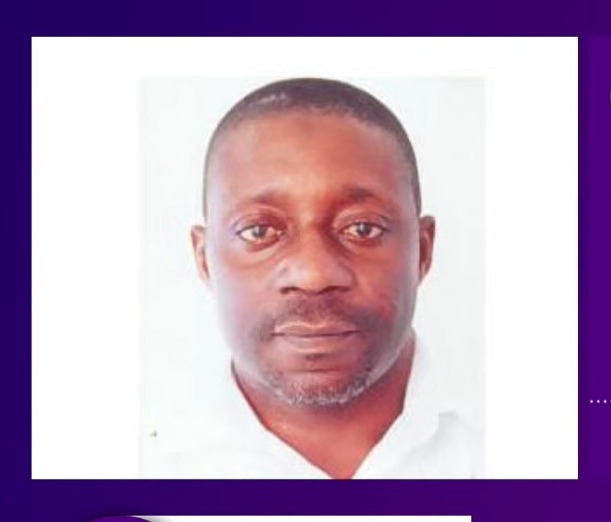
Public health engineering expert and Chief Executive Officer of Waste Care Associates, Lukman Salifu
Public health engineering expert and Chief Executive Officer of Waste Care Associates, Lukman Salifu, has urged metropolitan, municipal and district assemblies to audit land originally reserved for sanitary sites as they seek space for waste transfer facilities.
His call follows Local Government Minister Mahama Ayarigah’s directive for assemblies to provide one acre of land for waste transfer stations and identify land for landfill development.
READ ALSO: Mahama Ayariga gives MMDCEs 30-day deadline to secure land for waste transfer stations
Mr Salifu said reviewing existing community layouts could help assemblies establish whether designated sanitary sites remained available or had been encroached upon.
“What those assemblies need to do is to do a great infrastructure audit. All those original sanitary sites that were built on our layouts are still there. If they are not there, what has happened to them?” he asked. He said this on JoyFM's Super Morning Show on Monday, October 5.
He said the audit should also determine whether assemblies could legally recover encroached sites. Where recovery was not possible, alternative locations and waste management arrangements would have to be considered.
Mr Salifu explained that the provision of sanitary sites was an established planning concept, rather than an entirely new approach.
He cited the Town and Country Planning Ordinance of 1945, which, he said, provided for sanitary sites in communities, with designated spaces incorporated into many layouts.
“I think what the minister is saying is not very different from what has been on our statutes,” he said.
According to Mr Salifu, a previous study had identified 49 such sites. He encouraged assemblies to revisit those findings and assess the current status of the land.
“There’s a study that was done and 49 of such sites were already identified. So I think that the assemblies can quickly go back and do an audit, as I said, to see whether they are available,” he stated.
Explaining the role of transfer stations, Mr Salifu distinguished between communal container sites and larger facilities used to move waste over longer distances.
At the community level, he said, some sorting could take place where waste was deposited in communal containers. Larger transfer stations, meanwhile, allowed smaller collection vehicles to discharge their loads for onward transportation by bigger vehicles to disposal sites.
He also supported separating organic and inorganic waste at household level through a two-bin system, saying nearly 60 per cent of solid waste was organic.
Mr Salifu said separating the two streams could support waste-to-energy operations, with organic material used to produce biogas through biomethanation and suitable inorganic waste directed towards incineration for energy generation.
While maintaining that Ghana still needed landfills alongside modern treatment technologies, he said Accra should begin prioritising waste-to-energy options.
“I think we lost our way a bit, but it’s good to go back and build from the ground,” he said.
DISCLAIMER: The Views, Comments, Opinions, Contributions and Statements made by Readers and Contributors on this platform do not necessarily represent the views or policy of Multimedia Group Limited.
Tags:
DISCLAIMER: The Views, Comments, Opinions, Contributions and Statements made by Readers and Contributors on this platform do not necessarily represent the views or policy of Multimedia Group Limited.
KioskNews shows a cleaned-up reading view extracted from the publisher’s page — the original always lives on their site, not ours.