Dis/Agree | From Satya Niketan tragedy, a takeaway: Student housing crisis needs private capital
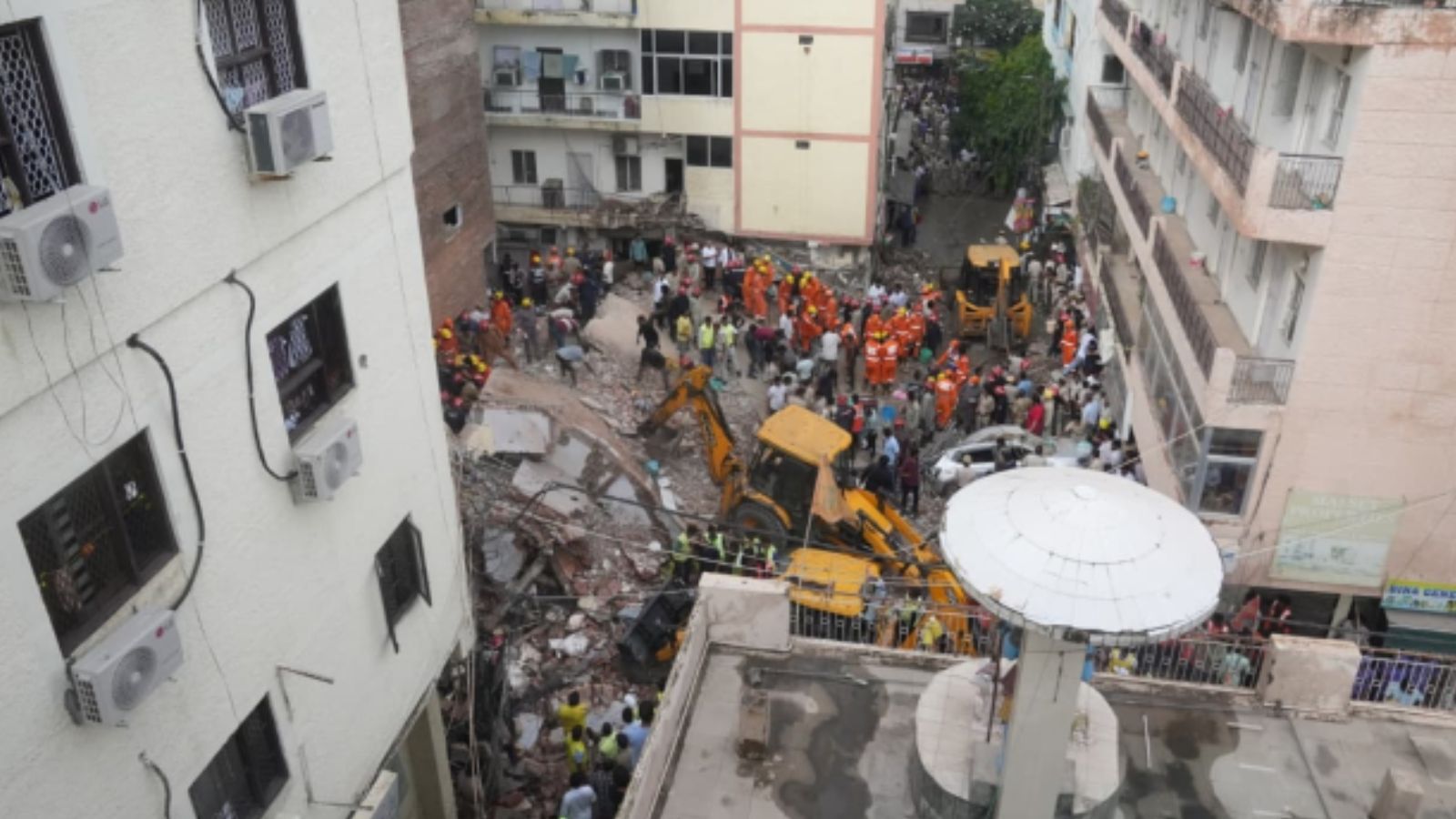
A five-storey paying guest (PG) accommodation for boys crumbled in Southwest Delhi’s Satya Niketan. (File Photo)
5 min readSep 18, 2026 06:22 AM IST First published on: Sep 18, 2026 at 06:22 AM IST
The reaction to the tragedy at Satya Niketan has unfolded along predictable lines. The municipal body has intensified its sealing and demolition drive. Calls for stricter implementation of building laws and greater regulation have gained traction. Alongside, the Delhi government has pitched for developing hostels for 10,000 students.
Unfortunately, none of this will dramatically alter the situation on the ground. Not only is the capacity of the Indian state to effectively implement the laws and codes it enacts constrained, it also lacks the resources to build the student accommodation on the scale that is required. Delhi University alone is home to almost 2.5 lakh undergraduate and postgraduate students. Juxtaposed against the roughly 9,000 hostel seats that the university and its affiliated colleges offer, it gives a sense of the demand-supply mismatch.
A market has naturally sprung up to bridge the gap. Private alternatives have come up in areas such as Mukherjee Nagar, Kamala Nagar, Ber Sarai, and other locations.
The steady decline of public educational institutions across the country has meant that there are very few islands of excellence that are left. Delhi University, being one of them, will continue to attract students from across the country. But for this large and ever expanding non-resident student population, no plans appear to have been drawn up, and no thought has been given to the development of the ancillary infrastructure needed to service the segment.
State financing of student accommodation is simply not possible at such a large scale. Government budgets are already stretched. Many universities and colleges, aided and unaided, are also unlikely to have the financial capacity to even attempt this. While some elite universities do have the resources and offer such facilities, can the state realistically force/regulate every institution, every academy to provide accommodation to its students?
There are private alternatives to consider.
Universities/colleges could, for example, contract out the hostel/accommodation facilities to private players. Vinayak Chatterjee, co-founder and managing trustee of The Infravision Foundation, says that under this arrangement, the private developers could build and run these facilities, while ensuring adherence to building and safety norms. For real-estate developers, there is a guaranteed catchment market. Educational institutions could also directly enter into long-term contracts with formal establishments, lease apartments/accommodation in bulk and then allocate them to the students. Some institutions are already said to be experimenting with some versions of these models. In some Western countries, universities do assist students in navigating off-campus private housing. Some maintain accommodation listings, or even partner with listing platforms. Something along these lines could also be explored in India.
Where institutions have surplus land, it could be provided to real-estate developers on a lease for building housing facilities. For colleges with limited land, perhaps a land pooling framework could be worked out. For constructing student accommodation, the floor area ratio (FAR) could be significantly increased, allowing for a scarce urban resource to be more efficiently used – India has amongst the lowest FAR in the world. The Delhi government is said to be considering this option. As the cost of land is a significant component of the overall development costs, and would have to be recouped, this option would help bring down the financial burden for students.
In all these alternatives, the educational institution saves on the capex cost for building the hostels themselves. The money could be spent on strengthening educational infrastructure — on teachers, labs, and the software of education.
Obviously, these private alternatives would charge rates that are higher than the subsidised hostel facilities that are currently offered by public universities. But students living in PGs are, in some sense, already paying market determined fees. In many cases, the location premium leads to the extraction of very high rents, as reports in this paper suggest. Structured alternatives would, however, give the students a better option. And for those without the means, perhaps some form of subsidy can be considered. In all these options, the educational institution is involved and does not get to wash its hands off the issue.
Exploring these options, however, requires an honest reckoning with the true costs of education in India. While public universities do keep the direct cost of education low, the total cost — including other services such as accommodation that are more often than not not subsidised — is considerably higher, and has to be borne by the students. The mistake of conflating low tuition with affordable education should be avoided.
The writer is senior associate editor, The Indian Express. ishan.bakshi@expressindia.com
KioskNews shows a cleaned-up reading view extracted from the publisher’s page — the original always lives on their site, not ours.