Hong Kong school reminded on rest after requiring night study for lagging pupils
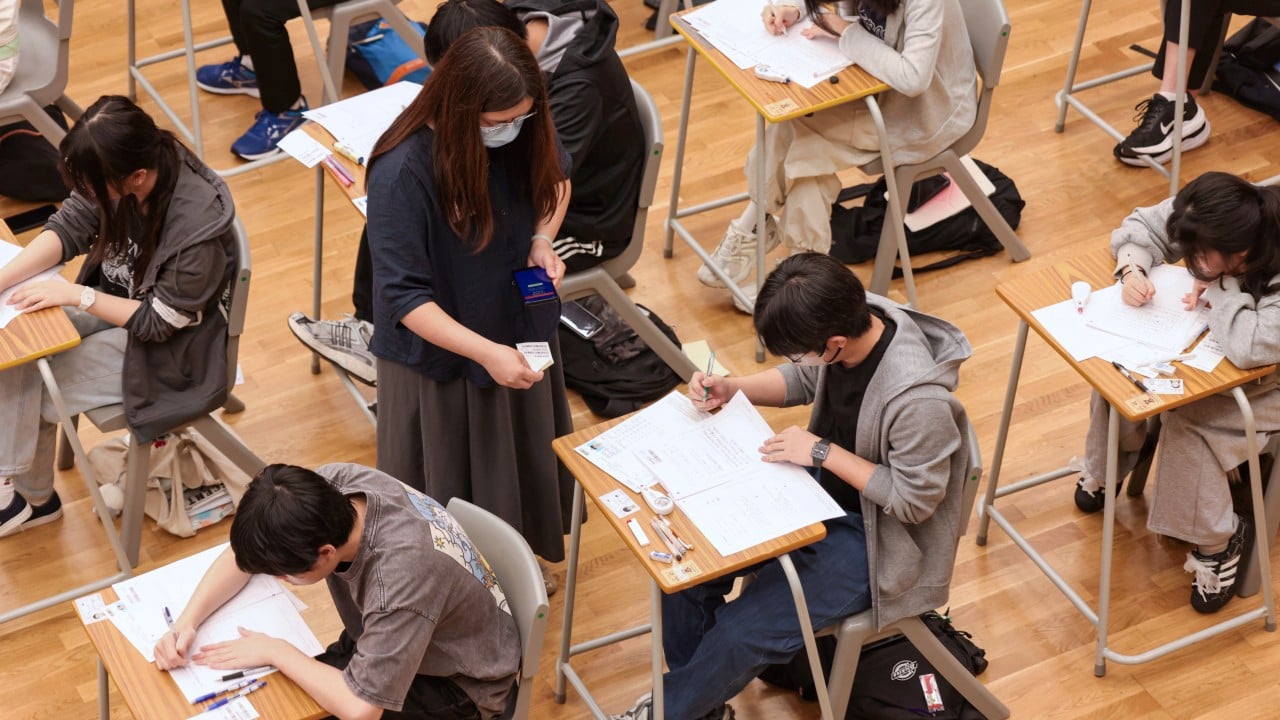
Hong Kong’s education authorities have reminded a secondary institution to “fully consider students’ rest schedules” after it required underperforming Form Six pupils to stay until 8.30pm for a three-hour tutorial and self-study session.
The reminder followed a student’s complaint to local media that pupils who were absent from the required extra school hours without prior approval would be considered truants, criticising the policy as unreasonable and “trading their health for grades”.
The South China Morning Post has reached out to the school, Po Leung Kuk Lee Shing Pik College in Tsuen Wan, for comment.
An Education Bureau spokesman told the SCMP that the bureau had immediately reached out to the school to look into the matter.
“The Education Bureau reminded the school that when arranging after-school tutorials or self-study sessions, it must fully consider students’ rest schedules, learning needs and actual circumstances,” he said.
“The school should also maintain good communication with students and parents, provide clear explanations regarding the arrangements and offer flexible accommodation for students facing practical difficulties.”
According to a school circular posted online, the sessions are meant to help Form Six students prepare for the Diploma of Secondary Education (DSE) exam, the city’s university entrance test.
“Our school has specially arranged evening self-study and academic tutorial sessions. This aims to help students establish a study routine early and promptly address their academic shortcomings,” it said.
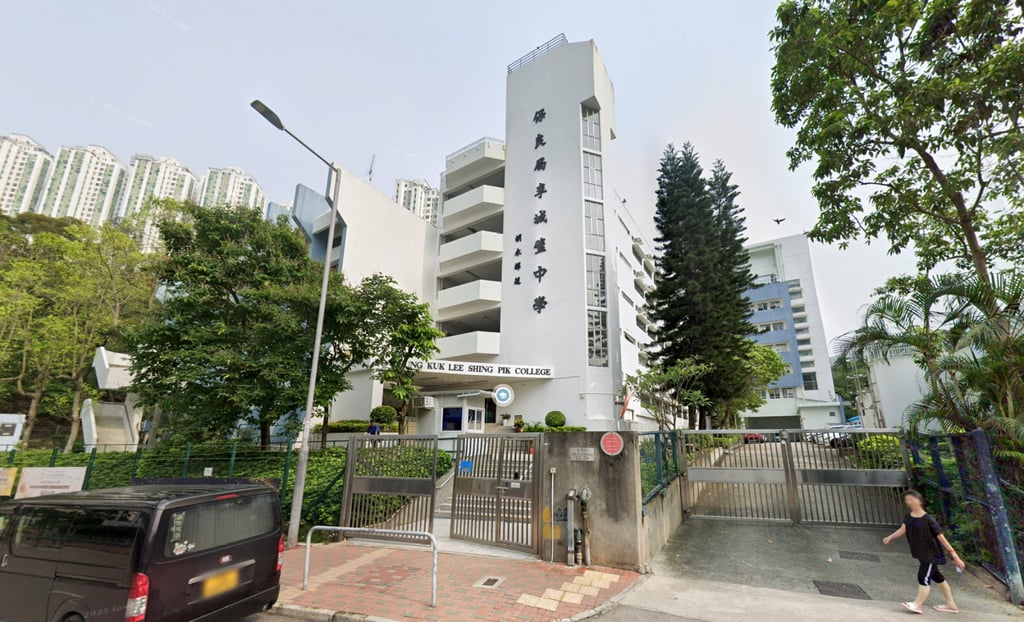
Not all students were asked to stay after school, as the institution said in the circular that only those identified as falling short of expected academic standards in internal test reviews were required to attend.
“All students who receive this notice must attend. If special circumstances arise on specific days, parents must provide relevant supporting documents such as tutorial receipts and follow standard leave application procedures,” it said, adding that those absent without prior school approval would be treated as truants.
Students have been required to stay at school from 5.30pm to 8.30pm between November 23 and December 18, excluding weekends and five weekdays in December.
Teachers would prepare targeted revision materials or assignments for the sessions, and students could bring light snacks such as sandwiches, eggs and bread, the circular said.
The school also urged parents to back the plan.
“Students can use this opportunity to strengthen their willpower and avoid laziness … we ask that parents do not lightly apply for leave on behalf of their children; excessive leniency and indulgence will only harm their children and inevitably affect their long-term prospects for further education and future development,” the circular said.
According to the school’s 2024-25 report, its DSE results outpaced the citywide average with 53 per cent of its students achieving Level 3 or above in Chinese and English, Level 2 or above in mathematics and one elective, and an “attained” grade in citizenship and social development – around 8 percentage points above day school candidates in 2025.
The initiative also sparked a debate on social media platform Threads.
A user named Ryannai_loong called mandatory attendance “pathetic”.
“The school already has remedial classes from 4.15pm to 5.30pm, and with the evening self-study added on, it means students are stuck at school studying from 4.15pm all the way until 8.30pm,” the user said.
“Form Six students are practically adults now; they should be able to decide for themselves whether to participate … they end up not having dinner until past 9pm every night. It is pathetic.”
Some commenters argued that studying was ultimately up to the students and that teachers should not have to give up their own time, while others said the practice only happened in mainland China, and they never thought a Hong Kong school would adopt it.
KioskNews shows a cleaned-up reading view extracted from the publisher’s page — the original always lives on their site, not ours.