3 ways to keep your relationship with AI in check by setting healthy boundaries
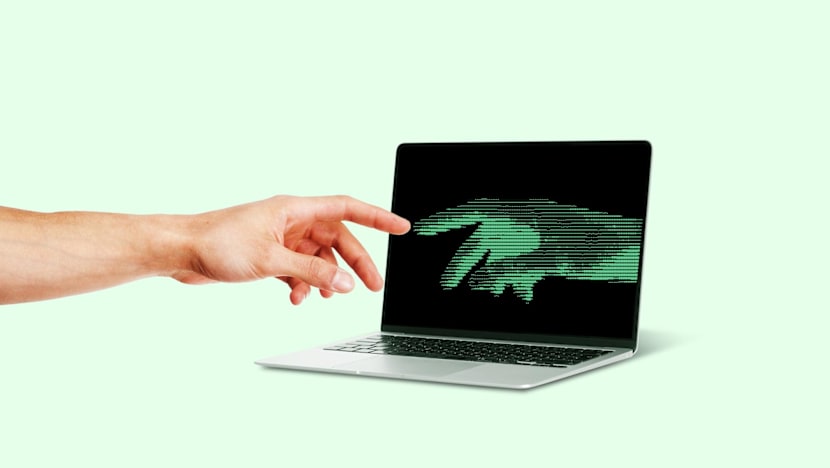
Sherry Turkle, a sociologist of science and founding director of the MIT Initiative on Technology and Self, has studied the social and psychological implications of artificial intelligence for more than four decades. She refers to the rapidly emerging chatbot culture in which we use large language models, or LLMs, such as Claude or ChatGPT, for emotional connections as “artificial intimacy.” It’s the title of her new book.
While AI “is a marvel,” she said, when it comes to chatbots, she suggests establishing “sacred spaces" – places in our lives that need to be protected from it. Here are three such spaces she and other experts recommended.
HAVE THERAPY SESSIONS WITH REAL THERAPISTS
Managing our mental health with AI has grown steadily more popular. “But a chatbot doesn’t care about you,” Dr Turkle said. Instead, she added, “it is a programme designed to keep you at the screen.”
And chatbots are apt at telling users what they want to hear, said Desmond Ong, an associate professor of psychology at the University of Texas at Austin who studies how people adopt AI for social and emotional use. Dr Ong cited a 2026 study published in the journal Science, in which researchers asked people to speak to LLMs about relationship conflicts.
They found that the models were much more likely to take the person’s side, “even when users engaged in unethical, illegal, or harmful behaviors,” the researchers wrote.
RELY ON YOURSELF FOR MAJOR LIFE DECISIONS
Say you are in the midst of a quandary with real consequences, whether it’s deciding whether to move to another city or whether to quit your job. Dr Ong said that LLMs were useful to help you gather information to make a decision. But any high-stakes life decisions should be made by you, or people who care about you, rather than “offloaded to an AI chatbot,” he said.
WRITE YOUR OWN HEARTFELT MESSAGES
The next time you’re tempted to cede a personal message to a bot, think about how you appreciate sincere notes from people in your life, Dr Turkle said. If you were the recipient, how would you feel if you knew the note was written by AI?
As AI-influenced language seeps into our conversations, it can, at least for now, also be easier to spot, said Matt Abrahams, an author and lecturer at the Stanford Graduate School of Business. The fact that most of us can use AI to make our writing more refined has caused what Abrahams calls an “authenticity crisis.” “It’s made the ability to write or speak spontaneously even more valuable,” he said.
KioskNews shows a cleaned-up reading view extracted from the publisher’s page — the original always lives on their site, not ours.