Millions of UK drivers affected by ‘two-tier car insurance pricing’ amid calls for ban
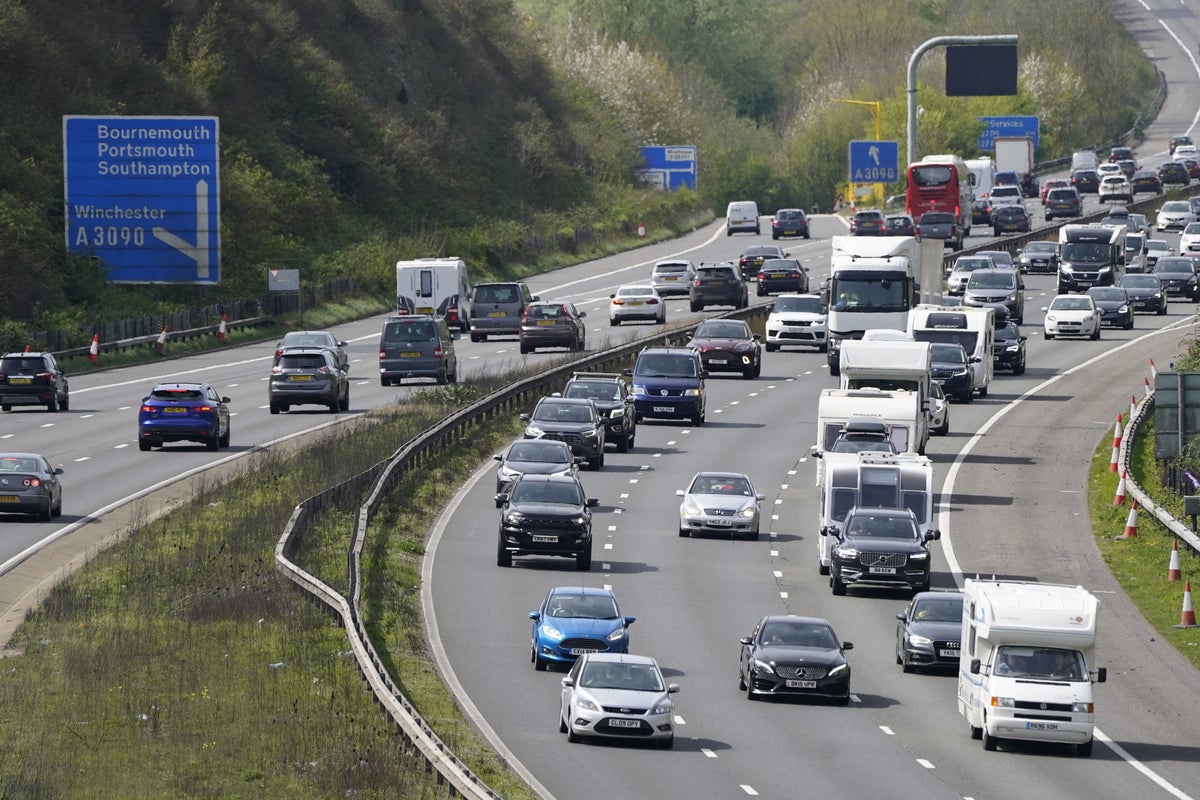
Drivers unable to pay for car insurance upfront risk being hit with interest rates higher than standard credit cards, according to research by consumer group Which?.
The option, known as premium finance, allows policyholders to split the cost of their cover into monthly payments instead of paying an annual lump sum.
An estimated 15 million UK motorists rely on these instalment plans to pay for their vehicle insurance.
Rocio Concha, director of policy and advocacy at Which? said: “Too many consumers have already been pushed out of driving or into financial peril.”
She said that a “ban on two-tier pricing for motor insurance” would “create a fairer, more competitive system that doesn’t punish the customers least able to pay”.
In August, Which? conducted a mystery shopping exercise across 30 motor insurance providers to evaluate the terms being offered.
The investigation used a standardised profile featuring a 42-year-old motorist living in Sheffield with a decade of driving experience and no claims or incidents over the previous five years.
Across 36 quotes examined, the median annual percentage rate (APR) stood at 26.2 per cent, though some rates reached more than 50 per cent.

Invest at least £100 in Stocks or ETFs of your choice. Get fractional shares worth £50!
Terms and conditions apply.
Go to websiteADVERTISEMENT
Invest at least £100 in Stocks or ETFs of your choice. Get fractional shares worth £50!
Terms and conditions apply.
Go to websiteADVERTISEMENT
Which? noted that this compares to an average credit card APR of around 25.9 per cent, based on Moneyfacts figures.
Some providers in the study offered 0 per cent APR, while a few did not state their APR.
Which? also said firms had told it that premium finance is associated with higher levels of credit risk, and that assessing APR in isolation does not give a complete assessment of the value provided to customers.
Firms also told Which? that premium finance arrangements were kept under review, to allow APRs potentially to be reduced.
But Which? argued that motor insurers should be banned from charging extra for monthly payments, as well as being required to offer a pay monthly option.
In July, a non-profit organisation warned how e-bike injury claims had pushed up premiums for motorists, as the cost of damages paid out to those injured surpassed £100m.
The number of claims submitted to the Motor Insurers’ Bureau (MIB), the organisation that compensates victims of uninsured and hit-and-run collisions, has increased since 2019, with the number of claims soaring by 73 per cent between 2023 and 2025.
Claims relating to e-scooters and e-bikes accounted for £108m of the total incurred cost from 2015 until May 2026.
When claims involving e-unicycles and mobility scooters are included, the total rose to almost £111m.
KioskNews shows a cleaned-up reading view extracted from the publisher’s page — the original always lives on their site, not ours.