Japan targets viral ‘Shorinji racing’ social media pranks harassing police

A viral social media prank targeting Japanese police is sweeping across the country, with children as young as seven being caught in the act.
Known as “Shorinji racing”, the trend involves minors shouting “Shorinji-ja” (“We are Shorinji”) at police officers in person or through false emergency calls from public telephones while peers record them, according to Jiji Press.
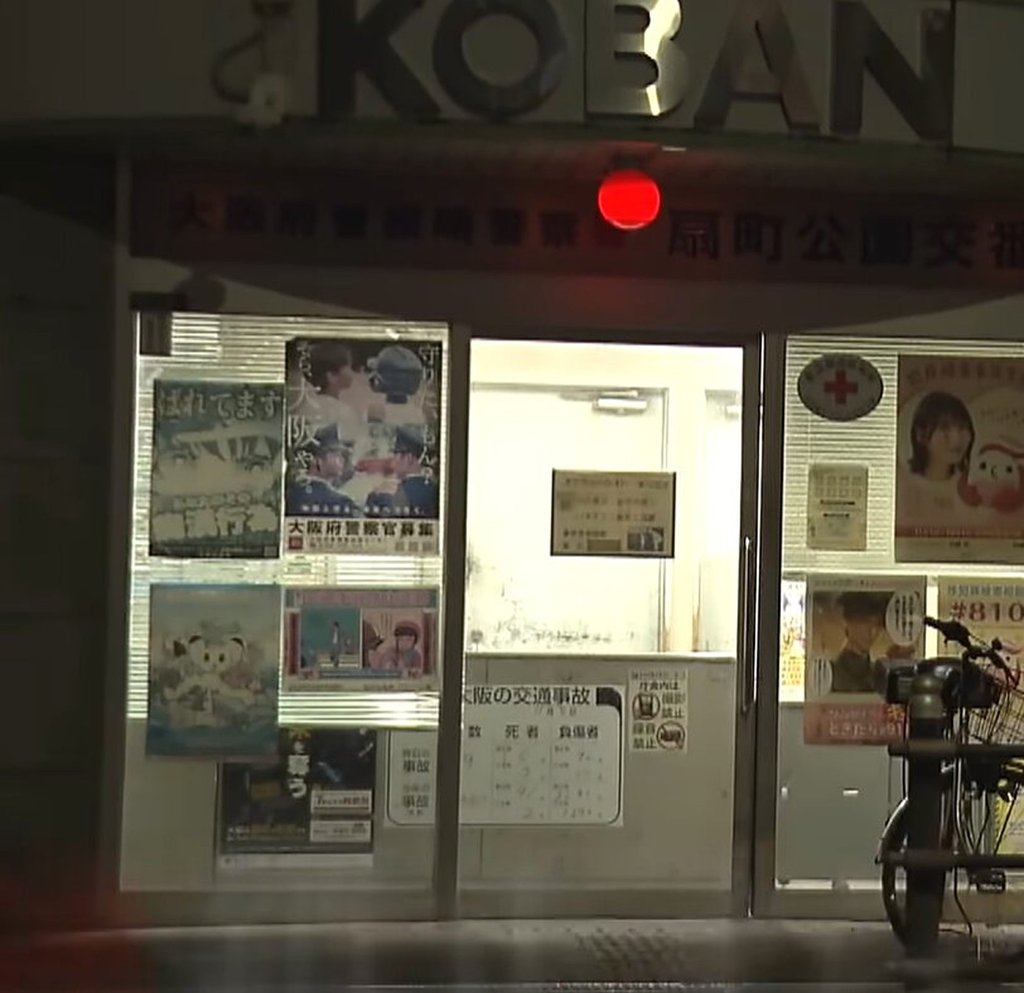
Some have kicked doors and torn down posters at local police boxes, or koban. The perpetrators then flee or hang up before uploading the footage to social media.
It is not known where the expression comes from. While “Shorinji” is the Japanese reading for China’s Shaolin Temple, famous for its martial arts teachings, investigators have not established a link between the temple and the prank.
The number of incidents has been on the rise since mid-September, Osaka police told The Mainichi newspaper. In the prefecture alone, authorities recorded roughly 280 related cases and detained 43 minors, aged seven to 16, between September 25 and October 21.
The trend has also spread to neighbouring Hyogo and Mie prefectures, the Japan Times reported. Hyogo police detained or referred 25 minors to authorities, including primary school pupils, over the same period. In several cases, the youths entered police boxes to spray juice inside.
On November 2, an 18-year-old was arrested on suspicion of forcible obstruction of police business. Police allege he operated an account claiming to be the “original” Shorinji racing channel on social media, posting messages that falsely stated the prank was officially approved by Osaka police and urging followers to join dangerous street activities, including drag racing.
Experts say social media has driven the surge in disruptive behaviour. Masashi Usui, a professor at Niigata Seiryo University Graduate School specialising in juvenile delinquency psychology, told Kansai Television that online platforms have changed the incentives for youth misbehaviour.
“Young people have done strange things in front of police officers and then run away before, but in those days, only a few people there would applaud,” Usui said. “With social media, far more people can watch, and some children find that attention extremely rewarding.”
Usui added that the possibility of reaching a massive online audience, together with peer pressure and viral trends, created a powerful incentive.
“The children probably don’t think of themselves as doing something criminal,” he said. “They think that if everyone else is doing it, they can do it too. Being at the forefront of something popular can give them a real sense of satisfaction.”
Police reported that some of those involved had been influenced directly by online videos. One junior high school boy, arrested after allegedly kicking through a glass door at a police box, told officers: “I saw a Shorinji racing video on social media and thought it looked fun to mess with police.”
Another said he took part to impress schoolmates. A third-grade primary school student in Osaka said an older pupil had invited him to join an outing, but he refused after his sister told him that it was illegal.
Police have urged the public not to make prank calls and asked schools to warn students about the consequences. “We will deal strictly with this as a malicious crime,” an official from Osaka police’s juvenile division told The Mainichi.
Legal experts say those taking part risk facing criminal charges. Kyosuke Nishiwaki, a lawyer and former television announcer, told Kansai Television that nuisance calls could be considered fraudulent obstruction of business, while physically disrupting officers carries charges of obstructing official duties, punishable by up to three years’ imprisonment.
More dangerous activities – such as throwing firecrackers or explosive materials into police facilities – could trigger severe charges that carry life sentences or even the death penalty under Japanese law, though juvenile law shields minors under 18 from capital punishment and excludes children under 14 from standard criminal liability.
“Some countries are starting to ban social media for younger children. Maybe some level of stricter regulation might be necessary until they can tell right from wrong,” Nishiwaki said.
“It might start as a prank, but with the reality of it escalating rapidly through social media, it’s reached a point where it can no longer be dismissed as just a joke.”
KioskNews shows a cleaned-up reading view extracted from the publisher’s page — the original always lives on their site, not ours.