8 Vampire Series Better Than True Blood

Mary Kassel is a Senior Writer & Critic who joined the Screen Rant team in 2023.
After graduating from Emerson College with a degree in Media Arts Production, Kassel started at Screen Rant with a focus on the critical analysis side of movies and television while continuing to work on set in film production.
At Screen Rant, Kassel primarily writes for the Classic TV section, mining their encyclopedic knowledge of television history for content. However, they also contribute to the Books team and review both film and television as a critic.
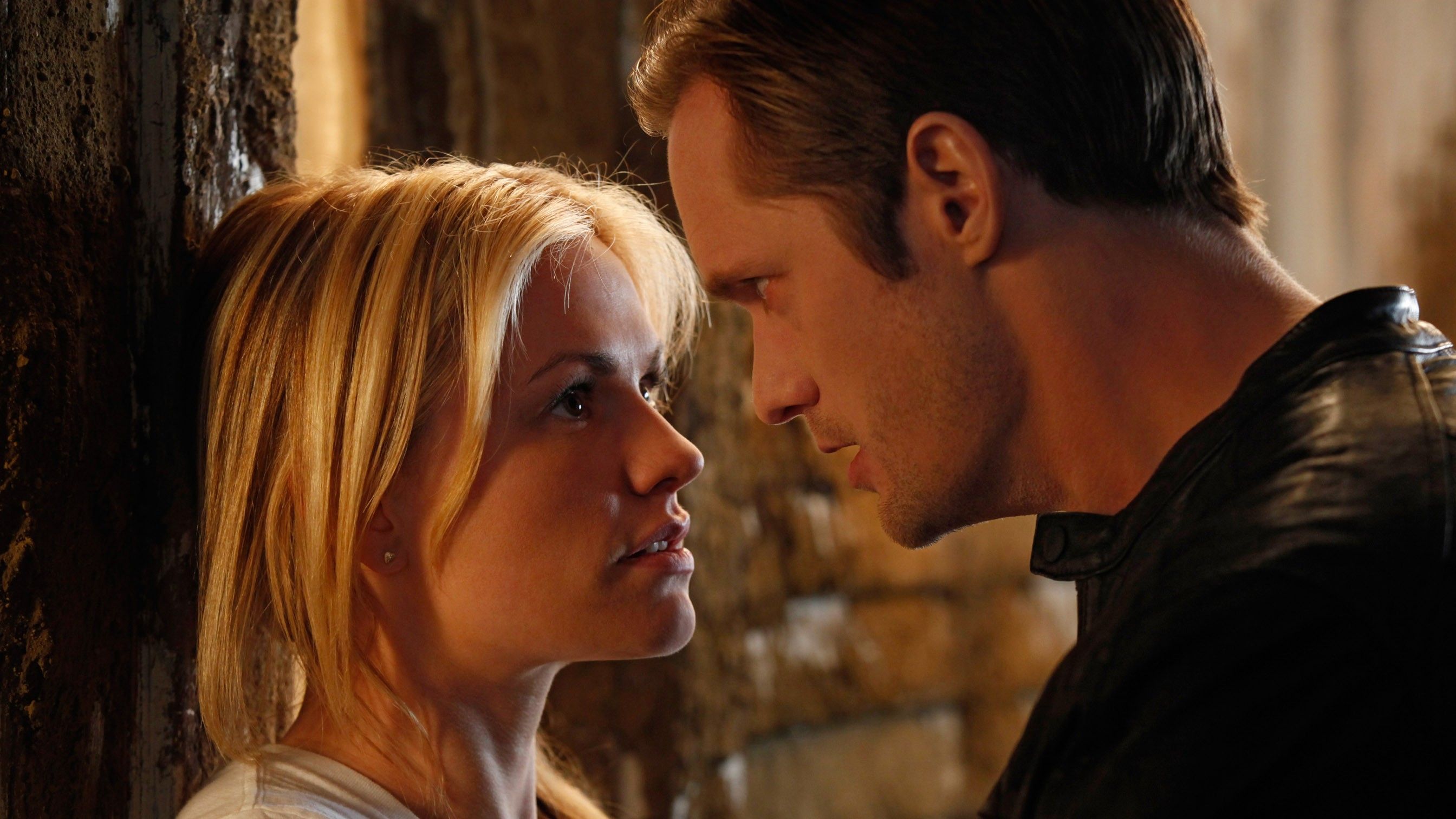
When audiences think of HBO's best fantasy series, True Blood should come to mind. Groundbreaking, dark, romantic, and an explosively popular addition to the vampire canon, True Blood is just as fun to watch today as it was in 2008 when the show first premiered. However, as much as we love True Blood, it's impossible to ignore that the series has some glaring flaws. Plenty of vampire TV shows are masterpieces, whether they came after True Blood or were one of the series' inspirations.
It would be impossible to make True Blood today, as the series is transgressive and isn't afraid to step over the line at times. While this intensity is part of why fans love the vampire genre, there are other shows that find a better balance between the high drama of a supernatural world and the universal narratives required to anchor the story. The best vampire TV shows use their monsters and demons as a metaphor for the trials and tribulations of being human.
Being Human (2008–2013)

The original British version of Being Human is one of the best examples of a supernatural series that struck the perfect tone, blending the drama, comedy, and darkness of a world where vampires and other monsters try to coexist with humans. Like all vampire series, Being Human uses the monstrous natures of its characters as a metaphor. The show explores how the characters have to hide their true selves, curb their impulses, and integrate the different sides of themselves that they can't always accept.
Being Human is an underrated classic within the vampire genre. The series is at its best when it digs into the sharp dichotomy between the mundanity of the characters' everyday existences and the fantastical lives they're grappling with internally. It's a fantasy series that relies on character first and lets the supernatural elements elevate the development of the individuals the audience comes to care for so deeply. It's also hilarious to watch a vampire, werewolf, and ghost struggle through the doldrums we all face.
The Vampire Diaries (2009–2017)

Due to its position as a teen drama and the decline in quality of the later seasons, The Vampire Diaries doesn't typically get the recognition it deserves for its contributions to vampire television. Though the high drama and teenage angst that's viscerally present throughout the series won't appeal to everyone, The Vampire Diaries is self-aware and unafraid to have some fun with its premise. With some of the best vampire villains in TV history and an all-time great love triangle, there's a lot to love about The Vampire Diaries.
While True Blood has a compelling love triangle of its own and some shocking villains, Elena and Damon's relationship will stand the test of time as one of the most tumultuous love stories in the vampire genre. However, it's these thrilling ups and downs in The Vampire Diaries that make it so hard to stop watching. It's true that The Vampire Diaries lost steam in the later seasons, after Nina Dobrev departed the show, but there are very few fantasy series that have been perfect through to the end.
Interview With The Vampire (2022–)
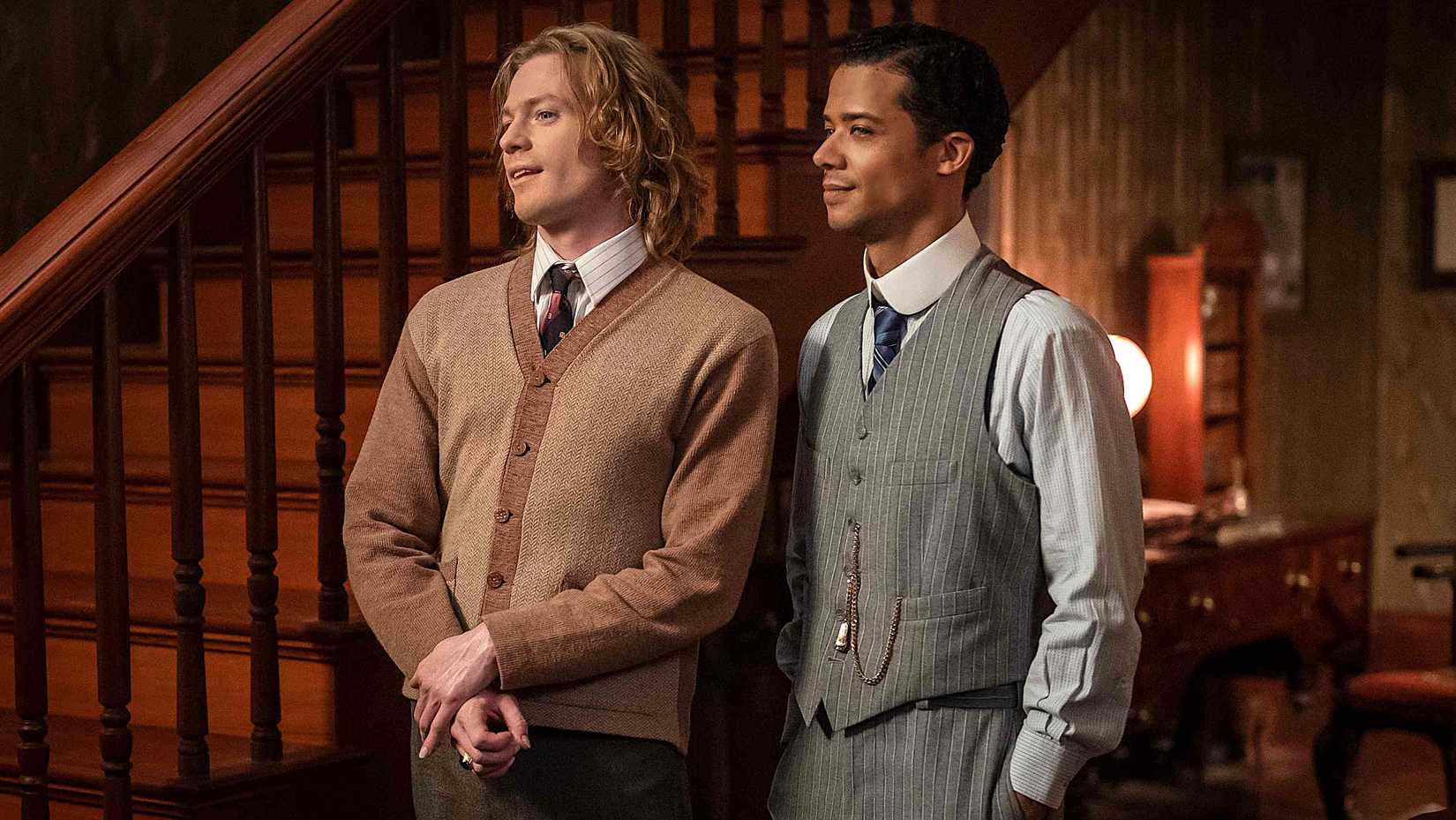
While the movie adaptation of Anne Rice's seminal vampire novel is a fun, campy take on the story, Interview with the Vampire was in desperate need of a TV show that could do the story justice. The series makes some deliberate changes to update and modernize certain aspects of the narrative. Interview with the Vampire explicitly grapples with queerness across history as well as race and class, and their impact on the characters. It helps that the chemistry between Jacob Anderson and Sam Reid as Louis and Lestat is so palpable that it jumps off the screen.
Interview with the Vampire finds a successful balance between the historical elements of the vampire world and the modern storyline in which Louis chronicles his past. Though the series takes the relationship between its leads seriously and isn't afraid of the melodramatic aspects of Rice's story, the show isn't afraid to have fun with its premise. Full of plenty of indulgent scenes of blood drinking and gorgeous sets and costumes, Interview with the Vampire transports the audience to a fantastical version of our world.
Castlevania (2017–2021)

Castlevania is Netflix's best original show within the animation and fantasy genres. Viewers who don't typically find themselves drawn to anime or supernatural horror will quickly make an exception for this gorgeously crafted and thrilling story inspired by the video game series of the same name. Featuring a depiction of one of the most famous vampires of all time, Dracula, Castlevania sees its characters fight against the all-powerful creature of the night as he attempts to bring about the end of the world.
Proving successful enough to warrant a spinoff, Castlevania: Nocturne, the first show in the franchise, remains the definitive take on the narrative. Though Castlevania has high stakes and plenty of violence, it's a nuanced take on the apocalypse trope in a vampire show. The audience fears Dracula, but finds it easy to sympathize with him within the context of the story. Without Castlevania, it's unlikely that Netflix's other iconic animated series, like Arcane, would've made it to screens.
Angel (1999–2004)

It might sound like blasphemy, but there are some fans of Angel who claim that the Buffy the Vampire Slayer spinoff is the better series. While this is still up for debate, there's no question that Angel did an amazing job of expanding the world of Buffy and leaning into an even darker tone to match Angel's history and redemption arc. Though Angel has been criticized for its decline in season 4, the series cemented its legacy in the vampire canon with a sharp final storyline in season 5.
Fans of Buffy the Vampire Slayer will appreciate the many connections Angel has to the original series, as well as the familiar faces who appear throughout the show. However, Angel is a distinct project that delves into questions about the point of fighting evil and being a hero in the face of overwhelming odds, questioning the nature of fate and free will. It's a complex and searching series that begs deep existential questions while still providing plenty of monsters, action, and blood-sucking.
What We Do In The Shadows (2019–2024)

The sign that a genre has made it in pop culture is when series start to poke fun at it and mine the tropes for satire. There is no greater sign of respect for the history of vampire TV shows than a series that isn't afraid to point out its flaws while maintaining a clear love for the genre. What We Do in the Shadows hits this mark in every way. Based on the 2014 comedy film of the same name by Jemaine Clement and Taika Waititi, the TV adaptation is a seamless extension of the story.
Following a group of vampires living in present-day Staten Island, What We Do in the Shadows mines its humor from putting the bloodsuckers in contemporary situations they're not prepared for. Though mockumentaries are everywhere on television today, What We Do in the Shadows upends viewers' expectations with its fantasy twist and delightful characters. Most fans of vampire stories are well aware that the genre can be a touch self-serious, and What We Do in the Shadows is a much-needed antidote to this fact.
Midnight Mass (2021)

Midnight Mass is Mike Flanagan's best TV show, combining his signature horror style with plenty of tributes to the classic vampire narrative. The truth behind the vampires in Midnight Mass is shrouded in mystery for much of the series, making it a tense, atmospheric watch that will get under the viewers' skin. Exploring the relationship between faith and the forces that take advantage of it, Midnight Mass has a darkly relevant message.
Starring Zach Gilford, Hamish Linklater, and Kate Siegel, Midnight Mass is set against the backdrop of an isolated island community primed to be infiltrated by Linklater's Father Paul Hill. While Father Paul is doubtlessly the most compelling character in Midnight Mass, everyone has a secret. The series subverts expectations whenever possible, paving the way for a different kind of vampire story that audiences won't see coming. While True Blood rehashes many of the genre's tropes, Midnight Mass leaves them behind.
Buffy The Vampire Slayer (1997–2003)

Widely regarded as the definitive vampire TV show, Buffy the Vampire Slayer is as relevant today as it was when the series was airing. Audiences will be hard-pressed to find any modern vampire or supernatural series that doesn't reference Buffy in some way, or draw inspiration from one of its many innovative episodes. Always on the cutting edge of not only horror, but the structure and boundaries of making television, Buffy made the adage that high school is hell a reality, and did so with some of the best-written characters of all time.
Without Buffy, there's no way that True Blood would've been made, as Buffy the Vampire Slayer helped repopularize vampire narratives and demonstrated how the fantasy genre can stay relevant and modern with the changing times. Few fantasy heroes are as complex, cool, and fully developed as Sarah Michelle Gellar's Buffy. While other heroines in vampire shows wait to be rescued, it's Buffy who does the rescuing, and she always does it in style.
- Release Date
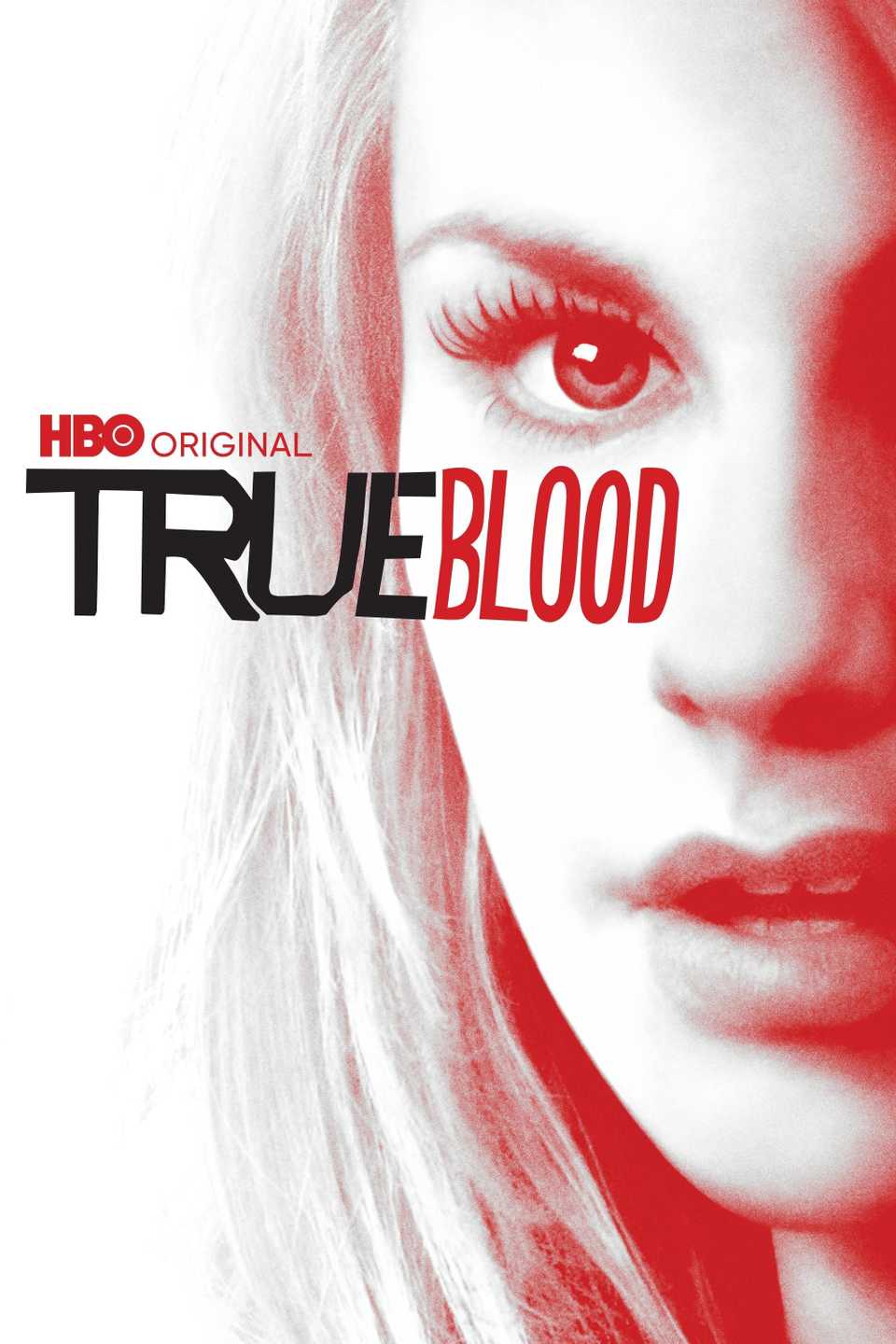
- 2008 - 2014-00-00
- Network
- HBO Max
- Showrunner
- Alan Ball
- Directors
- Daniel Minahan
- Writers
- Raelle Tucker, charlaine harris, Brian Buckner, Alan Ball, Alexander Woo
KioskNews shows a cleaned-up reading view extracted from the publisher’s page — the original always lives on their site, not ours.