DepEd taps AI to screen pupils for learning difficulties
Make this your preferred source to get more updates from this publisher on Google.
The Department of Education (DepEd) has developed an artificial intelligence-powered screening tool that can identify possible learning and communication difficulties among Grade 2 pupils in about 15 minutes, Education Secretary Sonny Angara said.
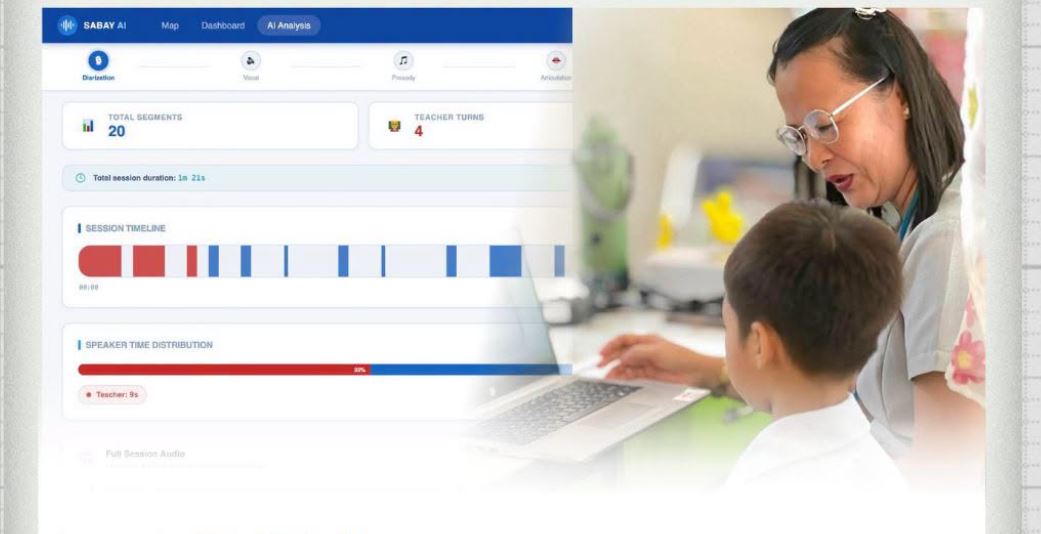
Dubbed Project SABAY (Screening using AI-Based Assistance for Young Children), the tool aims to help teachers identify learners who may need additional support and facilitate early intervention.
Angara said the AI-powered application significantly reduces the time needed for screening compared with traditional assessment methods, such as the Multi-Factored Assessment Tool (MFAT), which can take up to two hours per learner.
“Technology must work for our most vulnerable learners and the teachers who guide them,” Angara said.
He said Project SABAY makes the screening process more engaging for children while reducing teachers' workload and helping parents better understand their children's developmental needs.
“By providing them with transparent, data-driven tools that show step-by-step results, we are giving our teachers the confidence and clarity they need to partner effectively with parents and secure early interventions,” Angara said.
Developed by the Bureau of Learning Delivery–Student Inclusion Division and the Education Center for AI Research, Project SABAY uses interactive, story-based activities to make screening more engaging and less stressful for young learners.
With teacher assistance, pupils complete gamified speech exercises, including picture naming, word dictation, nonsense word dictation and spontaneous vocalization.
Teachers who have used the platform said it has made assessments faster and easier to administer.
The platform also provides step-by-step assessment results, allowing teachers to better explain findings to parents and discuss appropriate interventions.
DepEd said the tool could help address delays in identifying children who need specialist attention, particularly as shortages of developmental specialists have resulted in waiting periods of up to a year or longer.
Early screening could help flag children who may need further assessment and ensure they receive appropriate support sooner.
After initial pilot testing in the National Capital Region, DepEd has expanded data collection to the Visayas and Mindanao, with additional areas in Luzon expected to participate. —LDF, GMA News
KioskNews shows a cleaned-up reading view extracted from the publisher’s page — the original always lives on their site, not ours.