Hong Kong must show real remorse for the Tai Po fire tragedy
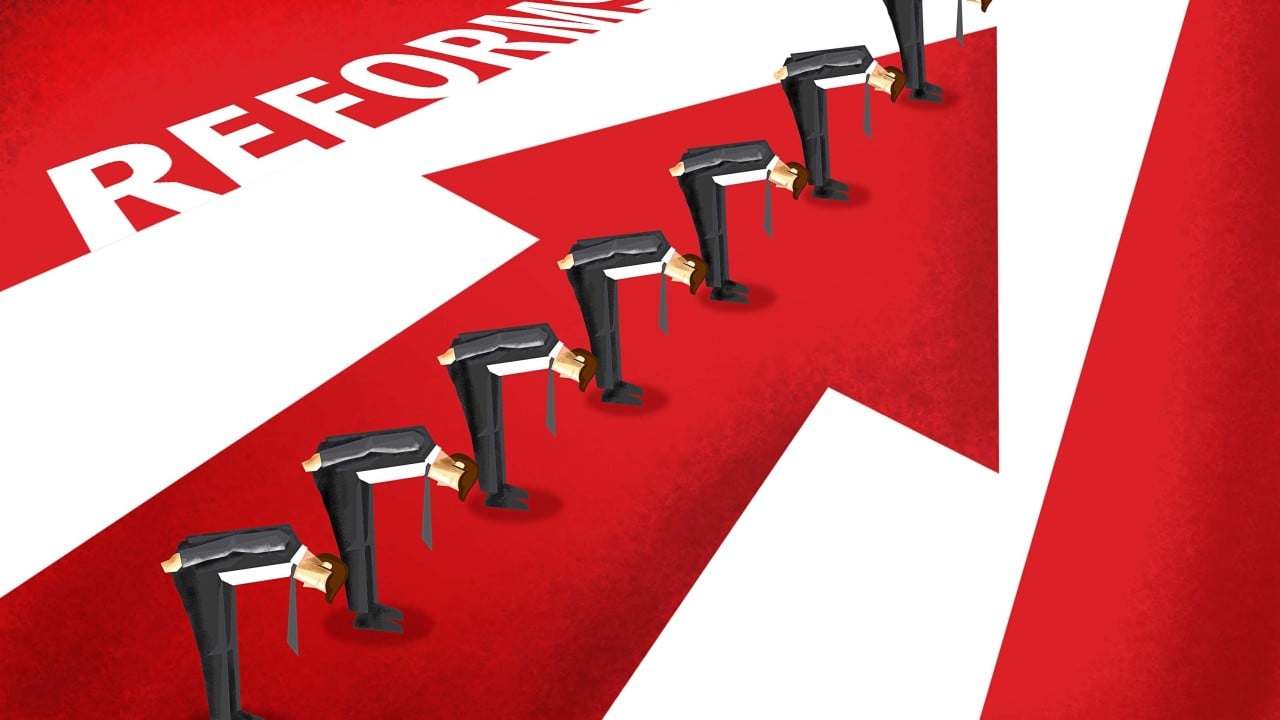
When Chief Executive John Lee Ka-chiu and seven principal officials bowed deeply before the cameras on October 29, Hong Kong witnessed something rare: a collective government apology.
It came 11 months after the Wang Fuk Court fire claimed 168 lives and uprooted 1,984 households. A minister has resigned. Many reforms have been promised. Yet public reaction remains divided. That division reveals what people expect an apology to achieve, and how differently they understand political responsibility.
A political apology should acknowledge failure, accept responsibility and express remorse. It should also commit the government to preventing a recurrence. The purpose of a political apology is to bring closure. While the chief executive would like closure, he cannot yet declare that it has been achieved.
That judgment belongs first to those who lost loved ones and homes, and then to the wider public. The fire was a terrible tragedy for Hong Kong as a whole.
Much of the criticism concerns timing. Why now, rather than in the first days after the fire? The question is fair. The delay has diminished the apology’s impact. There is, however, a defensible reason for waiting. In the immediate aftermath, many facts remained unclear. The government chose to await the findings of the judge-led independent inquiry committee.
Its extensive report reached the government a few days before the apology, allowing officials to acknowledge specific departmental failures. An early apology could have offered comfort and acknowledged that the system had failed residents. A later one could be tied to established findings. People are entitled to wish they had received the former as well.
06:48
Hong Kong government apologises for deadly Wang Fuk Court fire, housing secretary Winnie Ho resigns
Others dismiss the apology as stage-managed. Of course it was. The bow may have been rehearsed and the words weighed by lawyers and press officers. Stagecraft alone tells us little about sincerity. The more useful questions are whether the government accepted fault and whether it will act on that acceptance.
It acknowledged that four departments – the Buildings Department, Independent Checking Unit, Fire Services Department and Labour Department – failed in their supervisory duties. That acknowledgement matters.
So will the many reforms in the pipeline, from regulating scaffolding materials and overhauling fire safety installation rules to criminalising bid-rigging. The apology begins the reckoning. Reform must sustain it, long after the cameras have moved on.
The sharper dispute concerns resignations. Why has only one minister stepped down? Expectations differ because political responsibility is understood differently across systems and cultures.
Under the Westminster convention, ministers can be expected to resign following departmental failures regardless of personal culpability. The principle reflects the idea that ultimate responsibility rests with those at the top.
Yet there is also a view that public expectations in Hong Kong are shaped by a different understanding of accountability. Rather than expecting ministers to step down simply because they head a policy bureau, this perspective holds that resignation should be linked to personal fault. Accountability is therefore understood as requiring those directly responsible for a mistake or failure to bear the consequences.
Others have drawn comparisons with mainland China, where senior local officials have sometimes left office after major disasters as a demonstration of responsibility.
These competing understandings of accountability help explain why judgments about an appropriate response can differ. Whether a resignation is considered necessary may depend on whether accountability is understood primarily in terms of hierarchical responsibility, personal culpability or public demonstrations of responsibility after a failure.
Lee’s position was explicit. The decision that Secretary for Housing Winnie Ho Wing-yin alone should bear political responsibility was his “personal political decision”. He said she was not personally at fault.
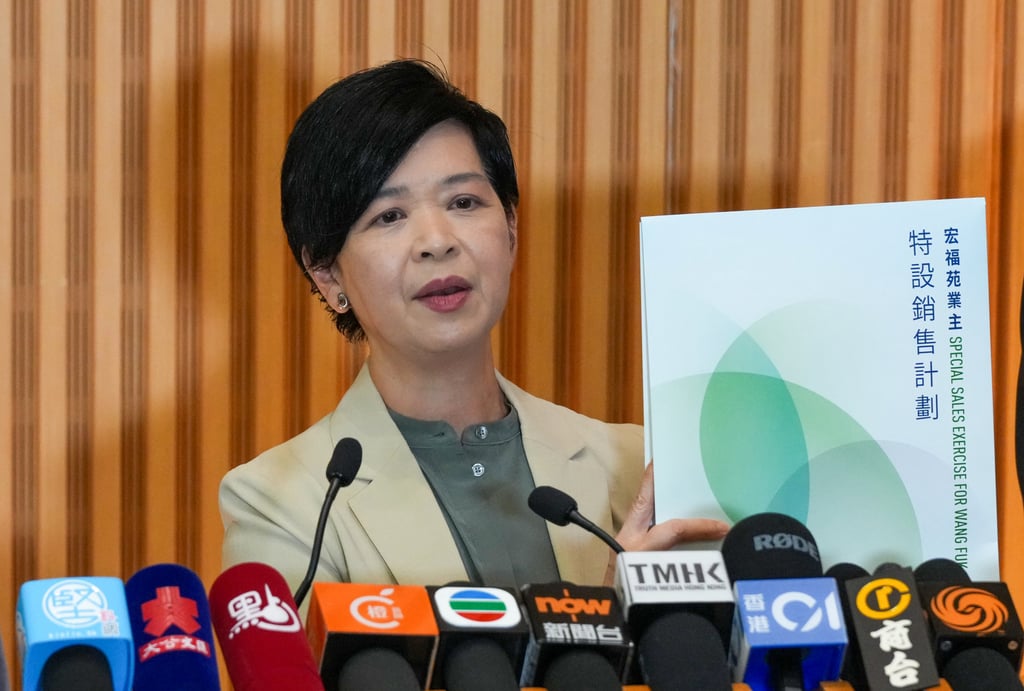
Secretary for Development Bernadette Linn Hon-ho disclosed that she had considered resigning but followed the chief executive’s instruction to remain. Secretary for Security Chris Tang Ping-keung and Secretary for Labour and Welfare Chris Sun Yuk-han, whose portfolios also cover departments named in the report, similarly said they had been asked to stay and deliver the reforms.
This arrangement invites two readings. Critics see one official carrying the burden of a wider failure. Supporters see a division of responsibility: one minister leaves to mark the gravity of what happened, while others remain answerable for putting things right.
Both views deserve a hearing. Whether the arrangement earns public confidence will depend on what follows, including how clearly the government accounts for the work of those who remain.

17
Ho’s resignation is significant precisely because no personal wrongdoing was attributed to her. It gives concrete expression to the principle that a minister can bear responsibility for what happens under her authority, even without personal fault. Her departure is also a loss, given her contributions in office. Political responsibility can carry a real cost for a capable official.
For those who believe the same principle should apply more widely, one resignation will remain insufficient. That disagreement will not be settled by the ceremony of apology. Nor should the officials who remain assume that being asked to stay settles their accountability. It gives them an obligation to deliver.
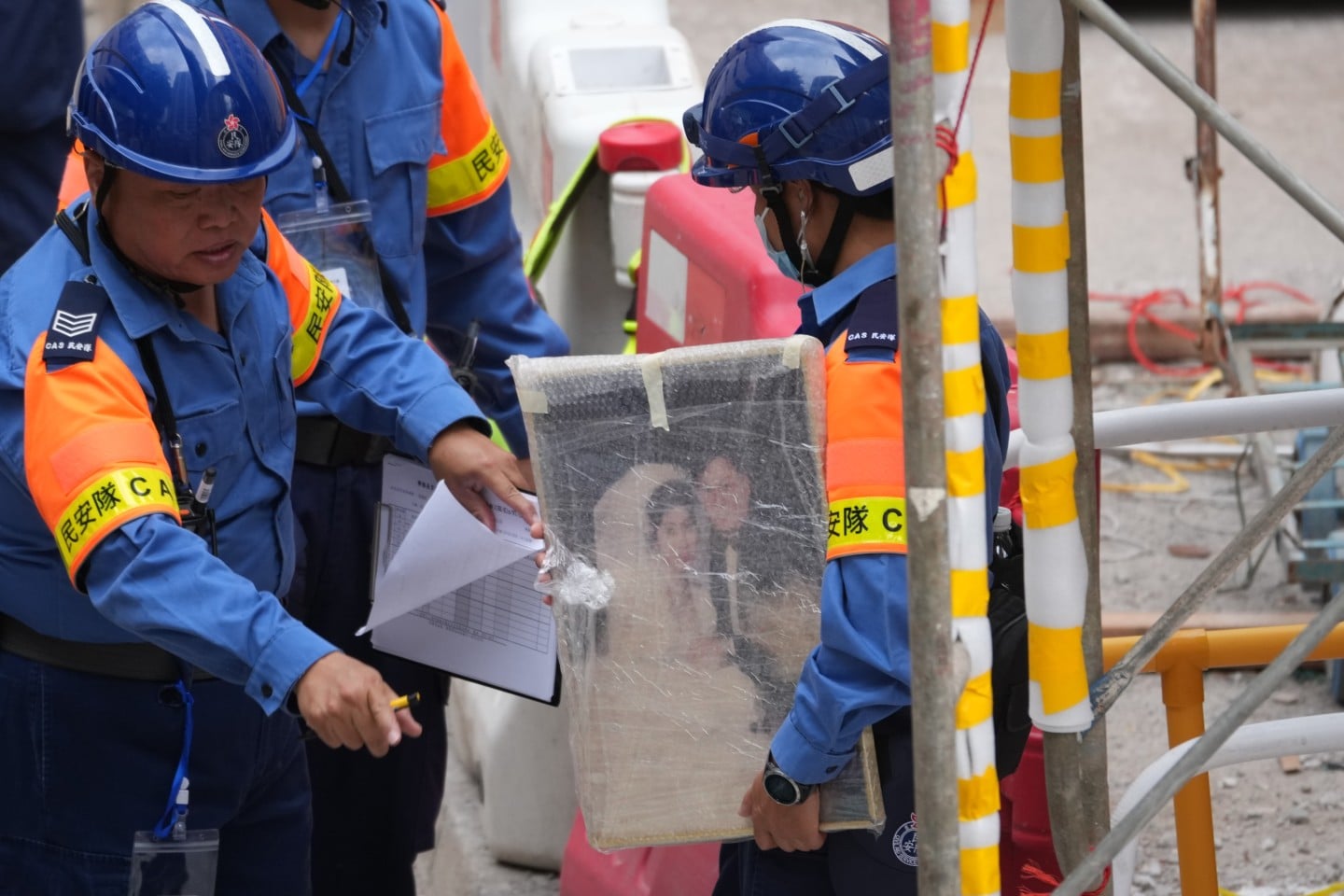
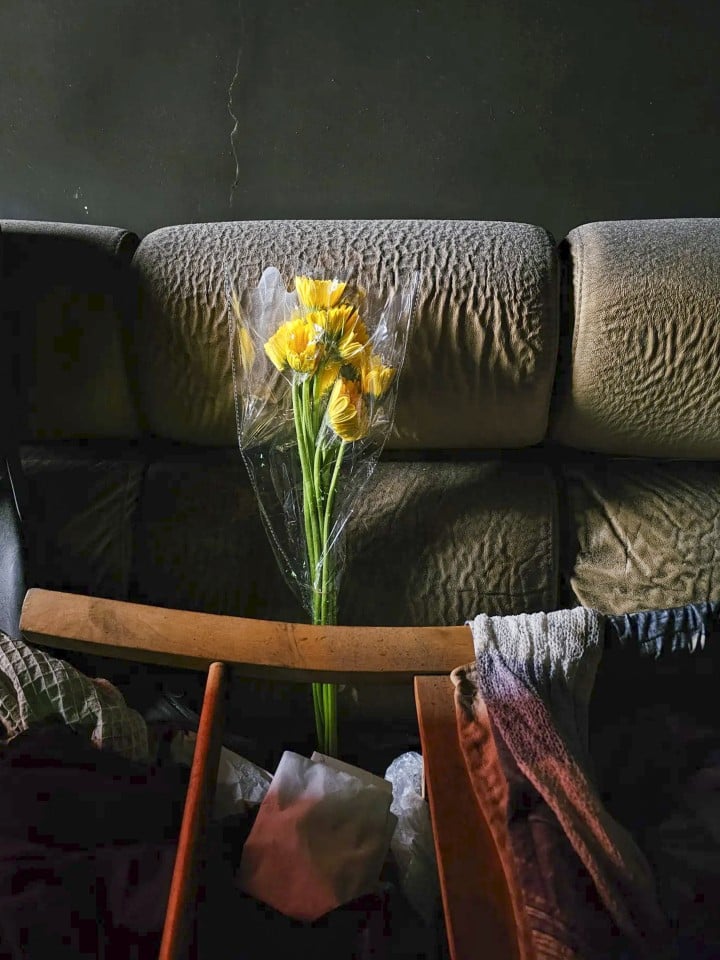
For the bereaved and displaced, the task of rebuilding lives continues. They deserve sustained support, clear answers and evidence that the failures identified are being corrected. The wider public will judge whether responsibility produces lasting changes in how government works.
Near the end of the committee report are words that should guide every official who bowed: “The fire has been put out, but the reform has only just begun.”
The government has said sorry. It must now show what accepting responsibility means.
KioskNews shows a cleaned-up reading view extracted from the publisher’s page — the original always lives on their site, not ours.