Booked solid: How Booker judges survived 163 novels, sleepless nights and literary battles
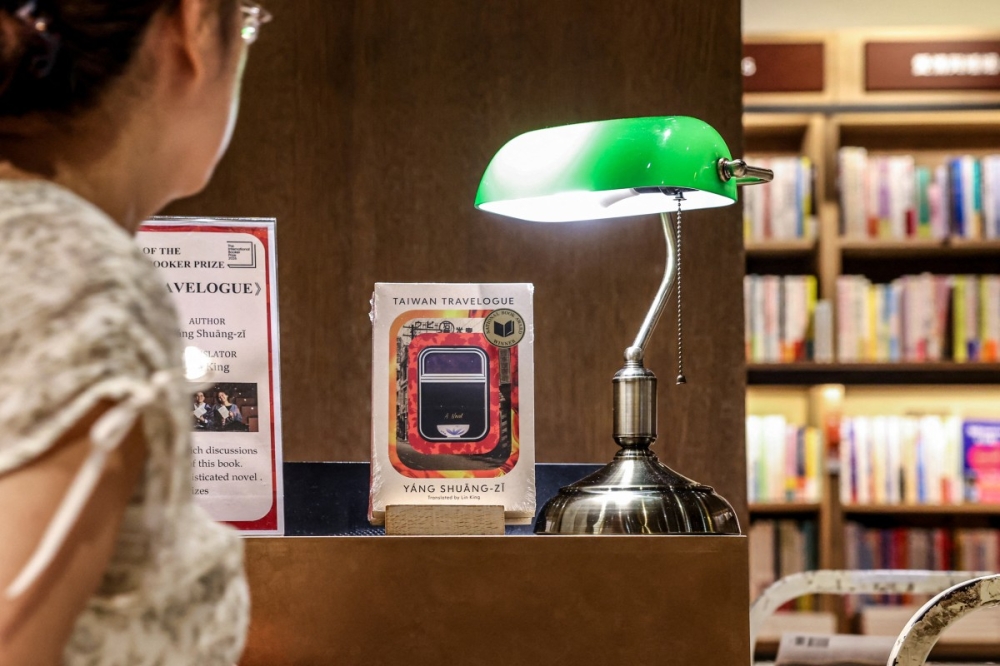

Copies of the ‘Taiwan Travelogue’ book, which received the International Booker Prize 2026, are seen at a bookstore in Taipei on May 21, 2026. — AFP pic
First Published: Friday, 06 Nov 2026 7:03 PM MYT
LONDON, Nov 6 — British classicist Mary Beard has read and lectured about Homer and Virgil’s epics countless times. This year she embarked on an odyssey of her own: reading 163 works of fiction in six months to judge the Booker prize.
“I’ve never worked as hard in my life. I mean, writing a book is easier than that. It was a revelation and a privilege,” Beard, who is chairing the Booker prize judges, told AFP.
For the prize — which celebrates the best long-form fiction by writers of any nationality, written in English and published in the last year — the panel of five judges whittled down 163 entries to a shortlist of six books.
The winner will be announced in London on Monday, with six authors, including previous winners Douglas Stuart and Marlon James in the running. The person who wins the Booker crown will walk away with £50,000 (RM271,695) and see their careers transformed.
The gruelling judging process behind one of the most coveted prizes in the literary calendar has been a source of intrigue and drama since it launched in 1969.
Around December last year, the judges began receiving cartons of some 30 books at a time to digest on a strict schedule, reading one a day or more.
They’re not allowed to divulge what books they’re reading, working under a shroud of secrecy. “It’s proved to be terribly easy to keep mum,” said Beard.
When she slipped behind at one point, Beard sequestered herself in a seaside hotel in Greece reading 12 hours a day. But the judging routines, for the most part, were far from glamorous.
“You just end up taking a book with you wherever you go,” Rebecca Liu, a writer and critic, told AFP. Once she ended up reading a few pages while waiting in a nightclub line.
‘Tossing books’
Pulp frontman Jarvis Cocker meanwhile had to squeeze in his reading while on tour with his legendary Britpop band, exchanging boxes of books for digital iPad versions.
“It is quite dull when you’re travelling,” Cocker told a September press conference. The books “took me somewhere, it was like having somebody”.
He recalled one judges’ meeting while in Australia on tour, when he joined in the middle of the night in a bathrobe with a glass of wine.
Poet Raymond Antrobus said he would “cry” every night a month into the process, and the books began affecting his dreams.
“You’re trying to enter these people’s universes that they’ve created, but also their ambition, that’s a very human thing,” Antrobus said.
In recent years, the Booker prize has expanded its pool of judges beyond novelists and literary critics to include celebrities such as Cocker and American actor Sarah Jessica Parker.
Over six months, each of the five judges reads every entry, so “every book gets five chances to be noticed”, said Beard.
They create a longlist of 13 books, known as the Booker Dozen, then re-read them for the shortlist and repeat the process to pick a winner.
Then, during three-hour closed door meetings — this year hosted at London’s Fortnum & Mason luxury store — the judges hash it out.
“I was standing up a lot and tossing books across the room,” American poet Patricia Lockwood said.
‘Celebrating flaws’
There were disagreements — Lockwood said at one point they tussled like “pigs in the mud” — but the judges found ways to reach consensus.
One system, the “traffic light” method, involved each judge classing a book as green, amber or red. “The really interesting ones are where you get mixtures of red and green,” said Beard.
There is no fixed judging criteria, which has resulted in the prize being criticised as arbitrary in the past. Judges this year settled on two questions: “Would you read it again?” and “would you recommend it?”
Lockwood joked her cat helped pick a book by “bleeding over it”.
Ultimately, the judges found themselves looking for “distinctly human” books, Liu said, wary of the threat of artificial intelligence.
“I think we consciously towards the end wanted to make a human shortlist... things that celebrated the flaws, that were strange and weird,” said Liu. — AFP
KioskNews shows a cleaned-up reading view extracted from the publisher’s page — the original always lives on their site, not ours.