LEO gets a birthday bash, 75 years after clocking in
Cambridge museum celebrates the world's first business computer with films, family activities, and a little Python
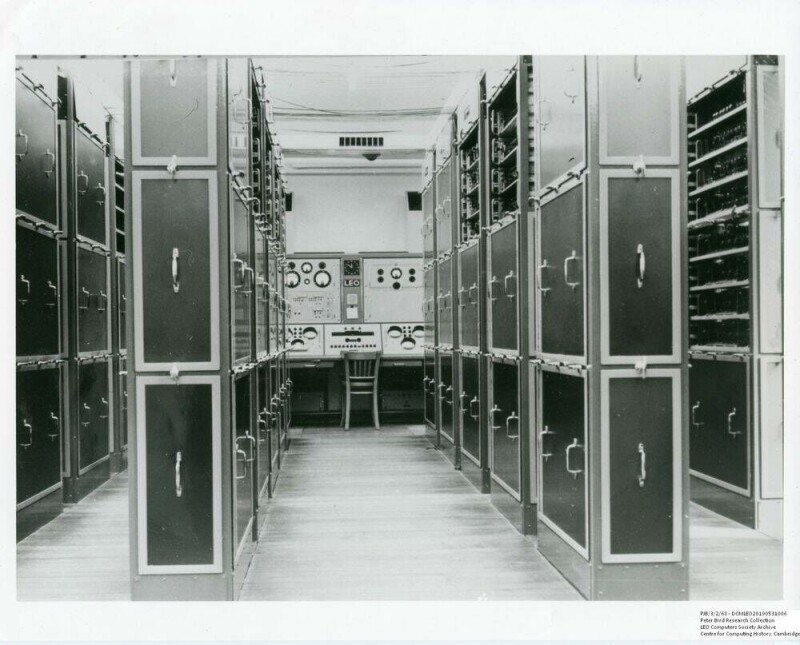
Business computing turns 75 this month, and Cambridge's Centre for Computing History is throwing a party for LEO, the machine that helped start it all.
The LEO@75 event takes place on Saturday, November 28, from 10am to 5pm, with film screenings, historical displays, and hands-on activities for children.
The Register has written about the Centre for Computing History a few times. It's an interactive computer museum just off Coldhams Lane in Cambridge, and back in 2018 it won National Lottery funding to help it "preserve, archive and digitise a range of LEO Computers artefacts, documents and personal memories."
REG AD
Admission supports the museum charity, with student and concession tickets at £10 and family tickets starting at £15. As well as stuff for the grown-ups, including a film screening, it will include events for smaller children (5-7) and a Python coding event for older (12-16) kids.
REG AD
Regular readers might recall our story about the Lyons Electronic Office back in 2021, celebrating its 70th anniversary. The Reg also published an obituary for Mary Coombs, the first female commercial programmer the following year. Coombs started programming LEO in 1952. Both stories offer more on the machine and the people behind it.
LEO was an early computer, but from three-quarters of a century away, it's easy to miss just how early. Its design was based on Cambridge University's EDSAC, developed by a team led by the late, great Sir Maurice Wilkes. The Reg mentioned EDSAC in our obituary for Wilkes, and went into more detail for his centenary in 2013. It also crops up in our Geek's Guide to Cambridge.
The design of EDSAC was directly inspired by John von Neumann's famous, and incomplete, "First Draft of a Report on the EDVAC" – which The Reg talked about in 2011. The draft report was circulated in 1945, based on the proposal for EDVAC, four years before the hardware was delivered. That was also the year John Mauchly and J. Presper Eckert completed its predecessor, ENIAC. In its original form, ENIAC was programmed by setting switches and reconnecting cables; EDVAC, by contrast, was designed to store its instructions in memory.
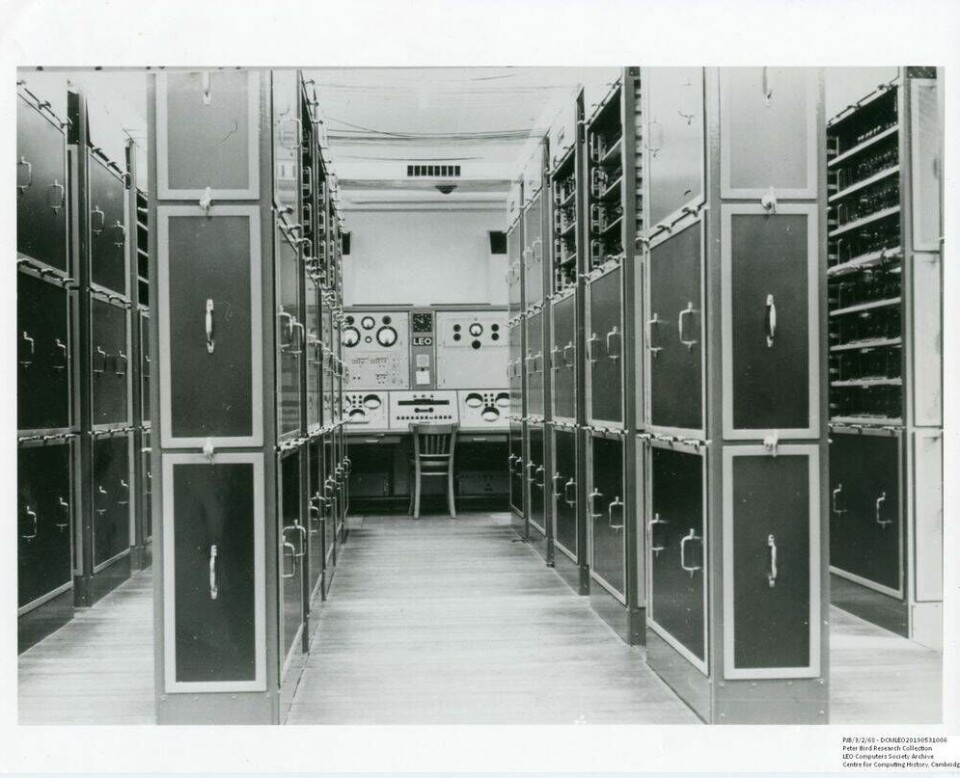
The report set out what's now called the "von Neumann architecture." Wilkes and Douglas Hartree drew on those ideas in developing EDSAC, LEO's immediate forerunner and one of the world's earliest practical stored-program computers. The first working electronic stored-program machine was the Manchester "Baby," the Small-Scale Experimental Machine, which ran its first program in 1948.
EDSAC ran its first program in May 1949 – a few months before the delivery of BINAC, Eckert and Mauchly's first stored-program machine. LEO ran its first commercial application in 1951. That was also the year the US Census Bureau took delivery of Eckert and Mauchly's UNIVAC I. ®
KioskNews shows a cleaned-up reading view extracted from the publisher’s page — the original always lives on their site, not ours.