How SARS is using AI to keep an eye on South African taxpayers
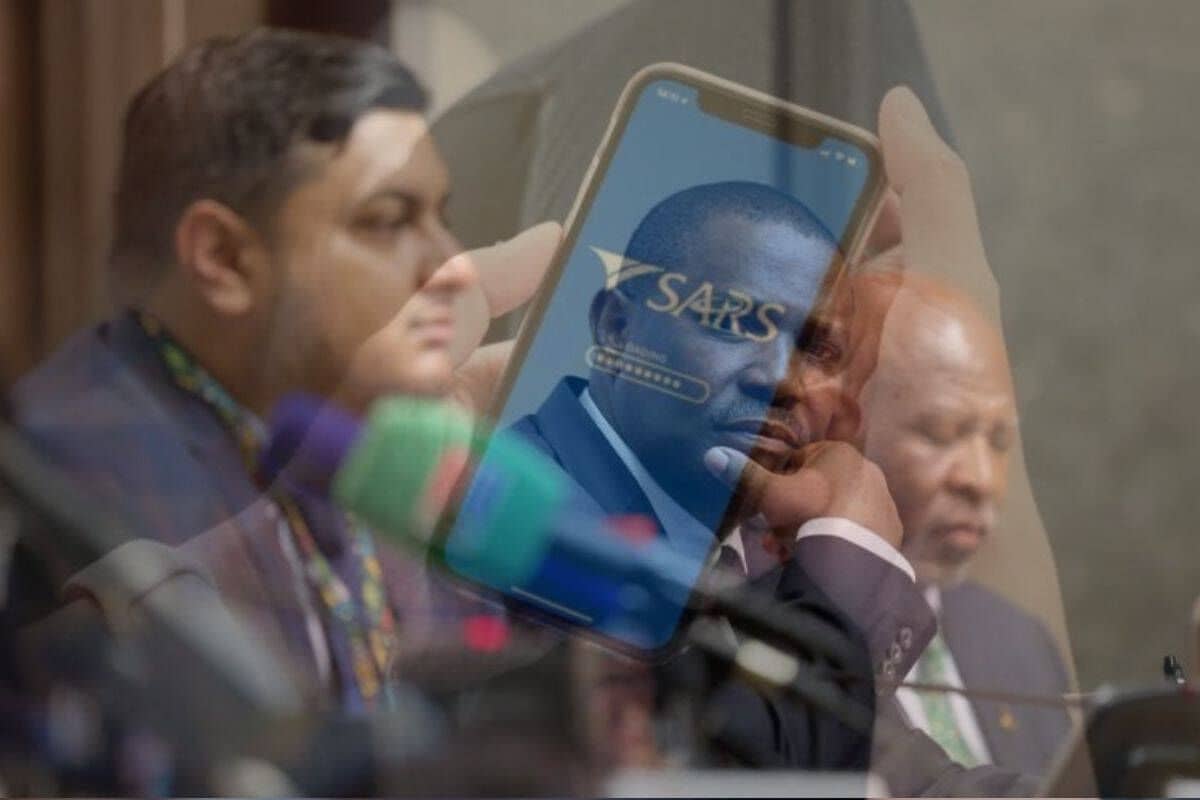
The South African Revenue Service (SARS) is increasingly turning to technology to identify potential tax non-compliance, assess taxpayers and decide where to focus its attention.
And while some of these changes are making it easier to deal with the revenue service, others could mean more questions for South Africans about their finances.
As per recent reports, SARS is increasingly identifying discrepancies between taxpayers’ declared income and the money deposited into their bank accounts.
According to Tax Consulting SA, taxpayers flagged by these checks may be asked to explain deposits and banking transactions throughout the year of assessment, including loans and transfers between their own accounts.
This comes as SARS expands its use of artificial intelligence (AI) and other technology to modernise its operations.
THE SOUTH AFRICAN REVENUE SERVICE is using AI to monitor taxpayers
SARS Commissioner Johnstone Makhubu has backed President Cyril Ramaphosa’s call for South Africa to move beyond exploring AI and start using it to support economic growth and improve public services.
SARS says it has already been using AI solutions for more than a decade, with the technology playing an increasingly important role in its operations.
Its Modernisation 3.0 strategy, launched earlier this year, identifies AI as a key part of its transformation.
One example is Ask Lwazi, the digital assistant that handles more than three million taxpayer and trader interactions every year. These are queries that would previously have required assistance from SARS officials.
AI is also being used in the assessment process. SARS says more than six million taxpayers have been auto-assessed, with nearly 98% accepting their assessments.
How SARS identifies possible tax discrepancies
Behind the scenes, SARS uses compliance models to analyse a tax base of more than 36 million entities.
These models help identify unusual patterns and potential fraud, while helping the revenue service decide whether taxpayers need assistance, education or further enforcement.
The reported banking checks provide another example of the scrutiny taxpayers may face.
BusinessTech recently reported that SARS may request a detailed breakdown of deposits when the total credits into a taxpayer’s bank accounts do not match the income declared in their tax return.
Tax Consulting SA says the requested documents can include 12 months of bank statements, explanations for deposits, loan agreements and details of transfers between accounts.
Importantly, not every deposit is taxable income. Money transferred between a person’s own accounts or received as a loan can create an apparent discrepancy without representing undeclared earnings.
However, taxpayers may still have to provide supporting documents to explain these transactions.
Tax Consulting SA also warned that the checks are not necessarily limited to high-net-worth individuals. Anyone whose banking credits appear higher than their declared income could be asked to account for the difference.
SARS is empowered under section 46 of the Tax Administration Act to request relevant material for tax administration purposes. However, requests must be foreseeably relevant, and taxpayers must be given a reasonable time to respond.
SARS is using technology beyond tax returns
The revenue service’s modernisation efforts also extend to debt collection and customs operations.
SARS uses models to help assess outstanding tax debt and identify which collection efforts are most likely to succeed. It collects more than R110 billion in debt annually, although this figure relates to its wider operations rather than AI alone.
Its customs modernisation programme processes more than 23 million declarations and trade worth R3.95 trillion annually. SARS is also working with the Border Management Authority and other institutions to improve coordination and risk management at the country’s borders.
KioskNews shows a cleaned-up reading view extracted from the publisher’s page — the original always lives on their site, not ours.