Want a taste of Pangkor Island ‘nasi lemak’? Alee Kopitiam in Taman Sri Segambut is the place to go for that plus awesome stuffed chili fish, yam cake and ‘tong sui’
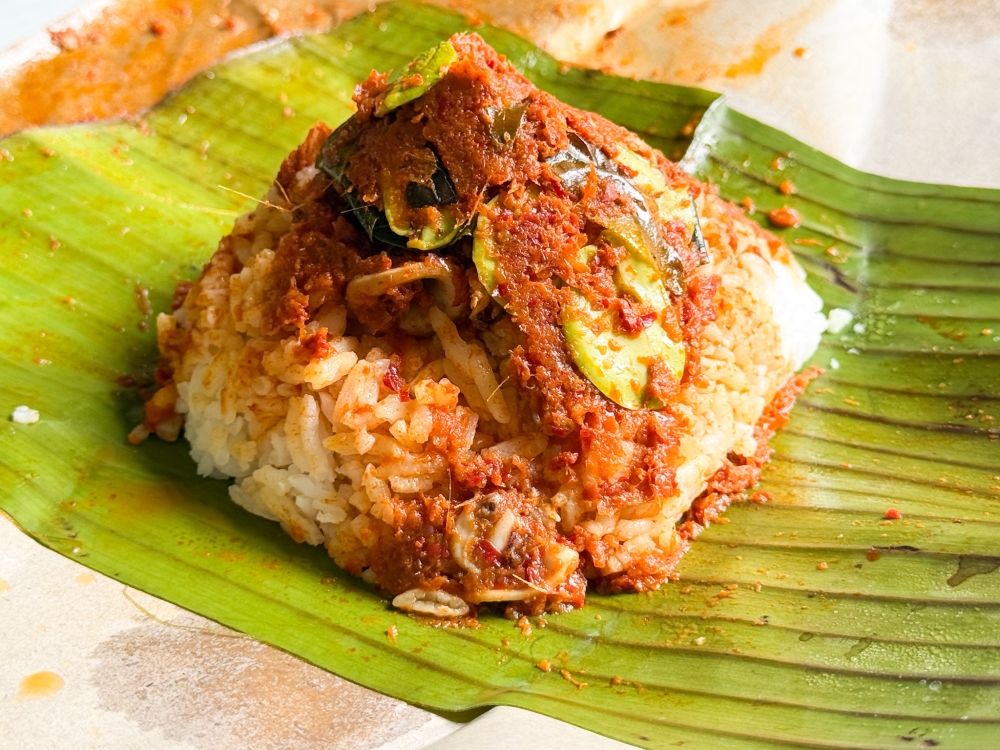

It may look simple but the Pangkor Island ‘nasi lemak’ served in a packet is a bundle of joy with the fragrant ‘sambal’, ‘petai’ and ‘sotong’ on top of rice. — Picture by Lee Khang Yi
By Lee Khang Yi
First Published: Friday, 02 Oct 2026 8:57 AM MYT
KUALA LUMPUR, Oct 2 — Nasi lemak is ubiquitous in Malaysia: there’s the Malay classic or a Chinese version where the rice has less santan or even a Melaka Chetti version where nasi lemak kukus with an assortment of dishes laid on a banana leaf is part of their annual ancestor worship ritual known as Parchu Bhogi.
Like all dishes, practicality rules the kitchen; ingredients used depend on what is abundant locally rather than seeking a special item from far away.
That’s why Pangkor Island nasi lemak uses fish, prawns and sotong, all wrapped in a triangular banana leaf packet to infuse the rice with its distinct sambal.
Recreating the island’s nasi lemak in the Klang Valley is a different story, as some of the ingredients must be brought in.
We’ve tasted Pangkor Island nasi lemak in the Klang Valley before; nine years ago, a shop offered it, but it sadly didn’t survive.
Another one, a home-based business that started in Cheras during the Covid-19 lockdown, has grown into a proper cafe located at EkoCheras Mall.
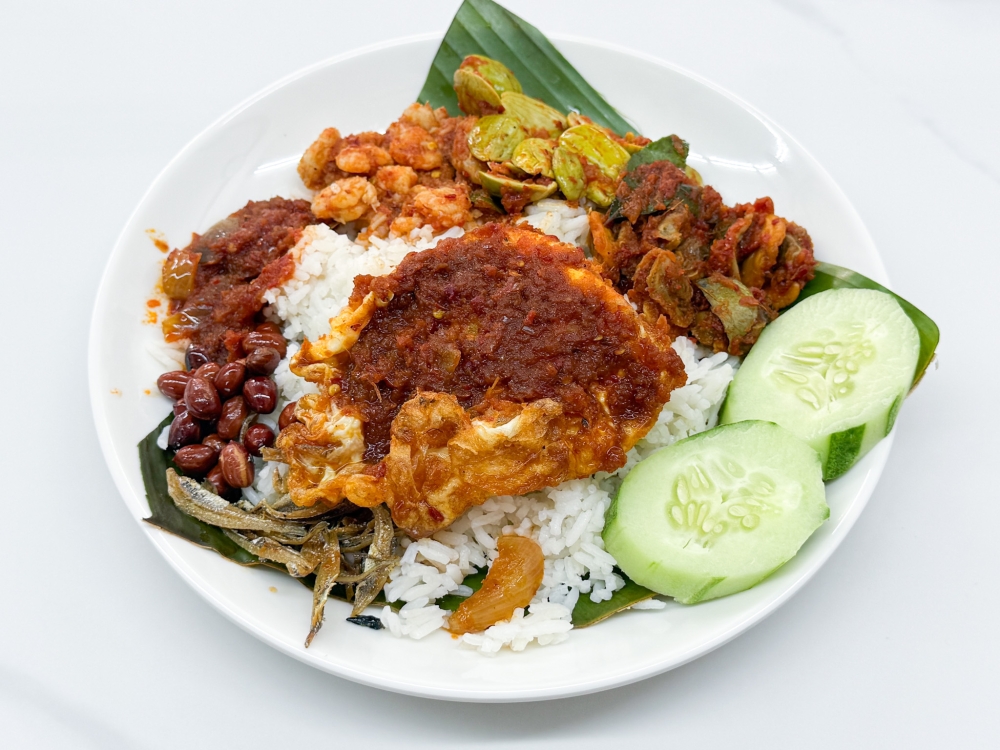
Should you prefer the conventional way to eat ‘nasi lemak’ with ‘ikan bilis’ and peanuts, ask for it plated and topped with ‘petai’, baby prawns, clams and a ‘sambal’ fried egg. — Picture by Lee Khang Yi
The latest to open is in Taman Sri Segambut, set up by a home-based caterer who once ran a home goods store in Taman Usahawan, Kepong.
By day, they serve nasi lemak, fried noodles and various dishes; at night, another family member takes over to grill fish and seafood.
It’s a family business where every member pitches in to help the lady boss who cooks the dishes using her own recipes.
A small selection of the nasi lemak packed in familiar triangular parcels greets you at the counter.
If nothing appeals to you, look at the menu and order your preferred flavour combination, whether it’s fried fish, sotong, small prawns, chicken, petai, ikan bilis, or a hard-boiled egg.
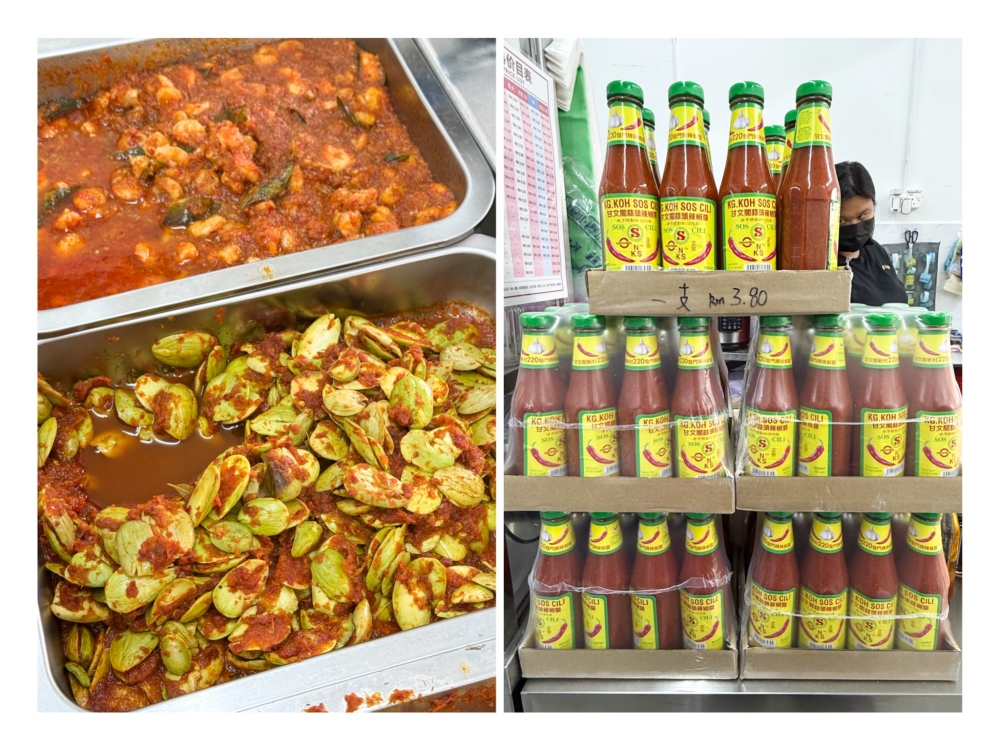
Baby prawns and ‘petai’ (left) are the best combinations for your ‘nasi lemak’ packet. You know you have walked into the right place as they sell the famous Sitiawan Kampung Koh chilli sauce (right). — Pictures by Lee Khang Yi
Prices range from RM2.20 for ikan bilis to RM5 for petai sotong.
I had selected the petai sotong combination and as I unwrapped the parcel, a glorious pyramid of rice covered with reddish orange sambal with green petai peeked out, mingling with curry leaves as the baby sotong hid inside the rice.
Not all combinations worked well; for instance, their siham used frozen shelled white clams that felt rubbery, and the fried fish was a bit hard.
The petai and baby prawns combination worked best for me with its textures and sweet flavour from the shelled crustacean.
Baby prawns and ‘petai’ (left) are the best combinations for your ‘nasi lemak’ packet. You know you have walked into the right place as they sell the famous Sitiawan Kampung Koh chilli sauce (right). — Pictures by Lee Khang Yi
For those who prefer eating their nasi lemak with fried ikan bilis, peanuts, cucumbers and sambal on a plate, that option is also available.
There are two types of sambal: one that is easier to pour over the rice, which has an orange-reddish hue fragrant with lemongrass and is used for the nasi lemak packets, and a darker red sambal with sliced onions used for the fried noodles and nasi lemak served on a plate.
A small selection of side dishes is also cooked daily, allowing you to add on to the nasi lemak or fried noodles.
Available side dishes include petai, baby prawns, clams, fried egg sambal and fried chicken with some items rotating, depending on availability.
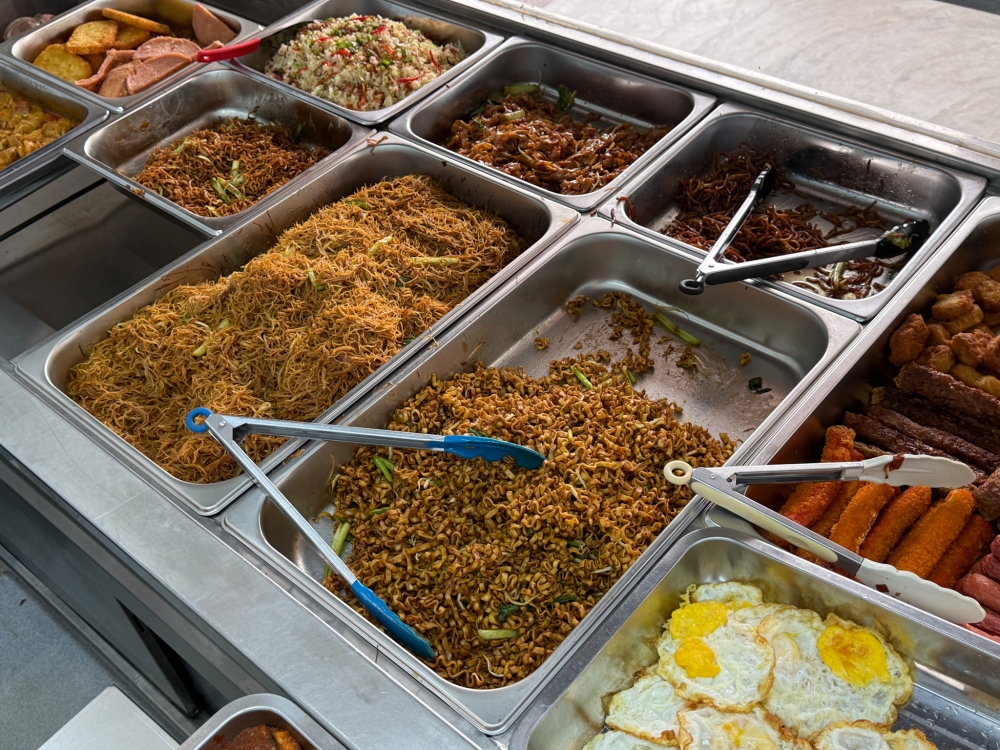
Various economy fried noodles can be selected and combined with fried egg, sausages, luncheon meat for your breakfast or lunch. — Picture by Lee Khang Yi
Befitting its island status where access to the freshest catch is easy and relatively inexpensive compared to other proteins, fish dishes dominate the counter.
Zoom in on their best selling chilli fish (RM12), which is essentially cencaru sumbat.
A simple fried fish is elevated by a stuffing of sambal inside its cavity, which needs to be shallow fried until almost burnt black to bring out its flavour.
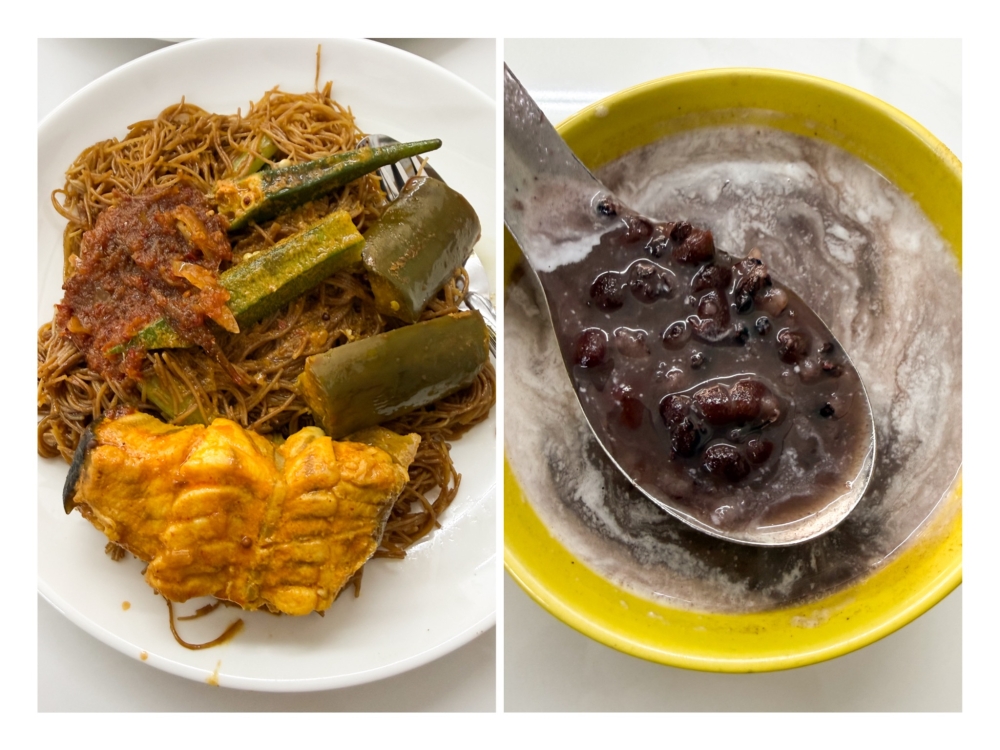
Economy fried ‘beehoon’ combined with stingray fish curry (left). Make sure you get a piping hot bowl of ‘tong sui’ (right) with red beans and black glutinous rice laced with ‘santan’. — Pictures by Lee Khang Yi
It’s their homemade sambal that makes this dish exceptional; they use a blended chilli, herbs and spice paste slowly cooked in oil until it becomes fragrant.
Just peel the hard outer skin to find firm flesh and relish it with the punchy sambal. Be warned, you may not stop at just one fish and end up ordering more.
Previously, they sold this fish frozen in batch orders, allowing customers the convenience of frying it at home.
There’s also a meaty stingray curry with various vegetables and another fried fish cooked in a thick santan-rich gravy, which you can order with their fried economy style noodles.
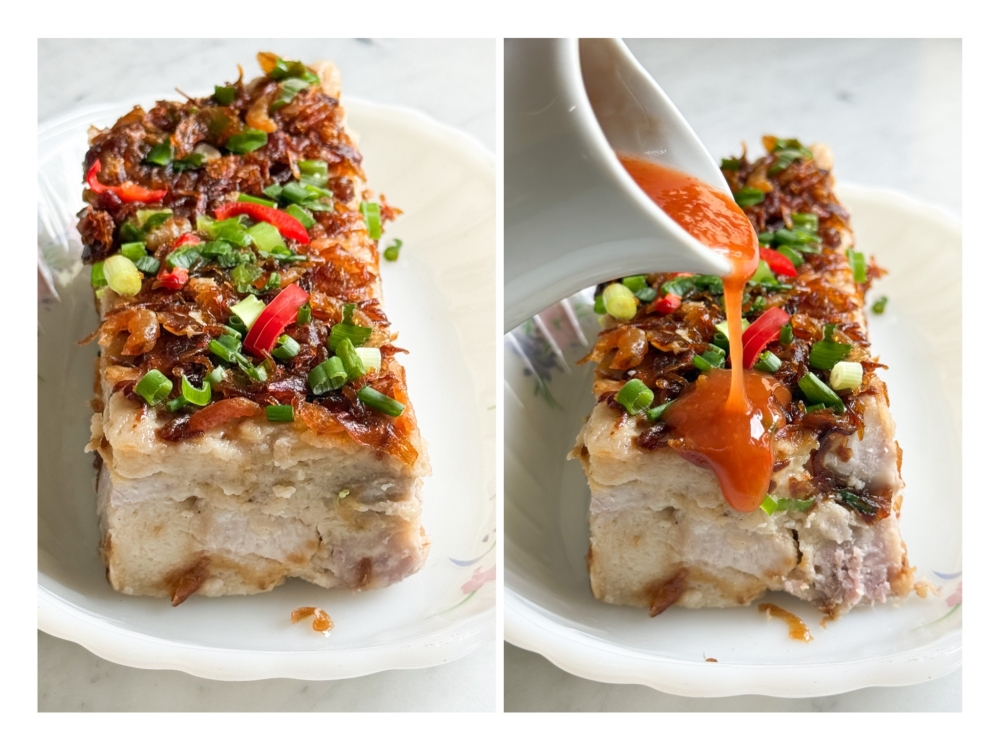
Yam cake is made in-house with chunks of taro, fried shallots, dried prawns, chopped spring onions and chillies. — Picture by Lee Khang Yi
On the counter, there are a whopping six different choices for the economy style noodles, each with a different texture.
The fried beehoon I picked was soft and lightly flavoured with soy sauce, given a touch of spiciness with their sambal.
Don’t miss out on the handmade yam cake (RM12), which features chunks of taro inside the steamed cake topped with fried shallots and dried prawns, and is best eaten with their homemade chilli sauce.
On weekends, they offer a dry chicken curry noodles and chicken drumstick cordyceps soup served with noodles.
Remember to also add a bowl of tong sui (RM2.50) to your meal; it’s a combination of red beans and black glutinous rice that arrives piping hot and laced with a cloud-white drizzle of santan for a touch of creaminess.
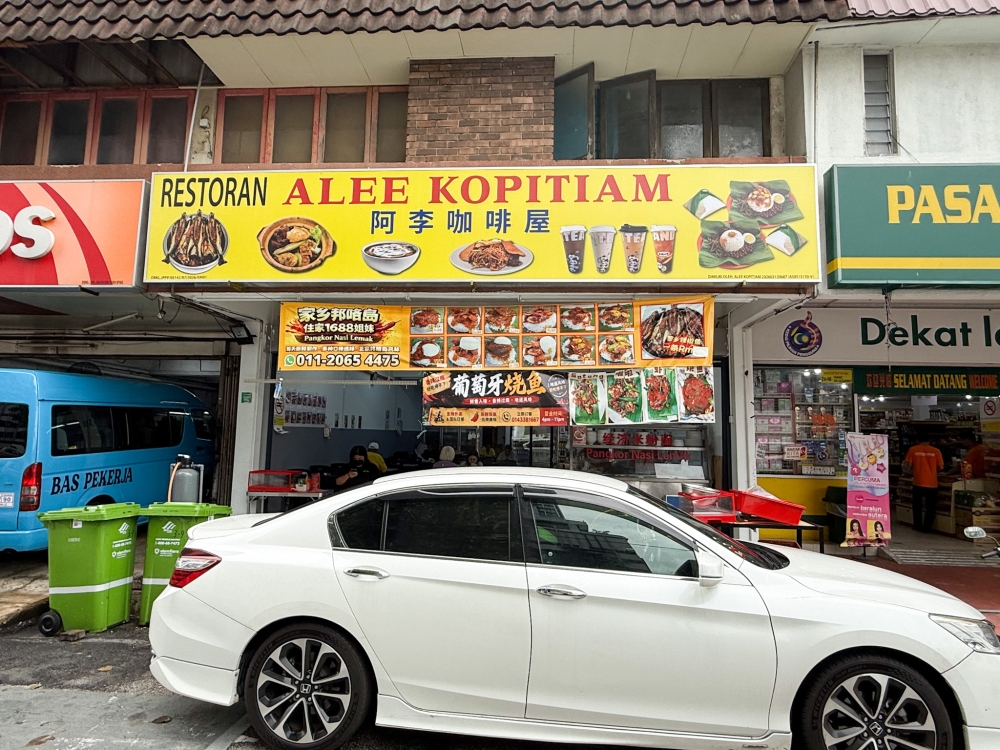
Look for this coffee shop well hidden inside this housing estate right opposite Legend Heights condominium. — Picture by Lee Khang Yi
Alee Kopitiam
Taman Sri Segambut, Kuala Lumpur.
Open: 6am to 3pm, 4pm to 11pm. Closed on Mondays.
Tel:017-3947703
Facebook: @Alee88Enterprise1688
*This is an independent review where the writer paid for the meal.
KioskNews shows a cleaned-up reading view extracted from the publisher’s page — the original always lives on their site, not ours.