Two medals, lessons from defeat and a bigger goal: Archer Ganesh Mani Ratnam sets sights on LA 2028
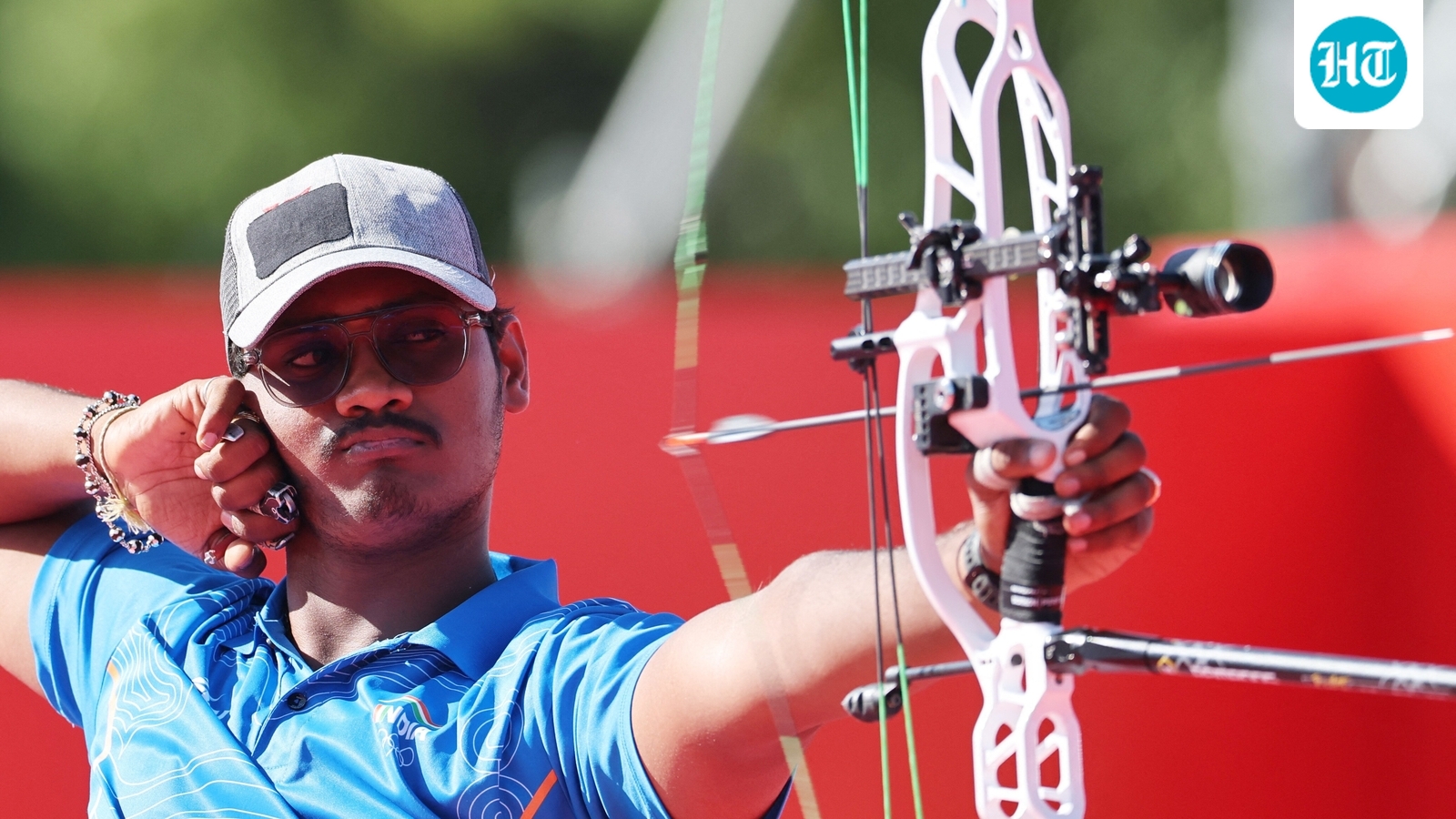
The first thing Ganesh Mani Ratnam Thirumuru did after returning home from the Asian Games with two medals was take some time off. Not much, just a couple of days. While that may not seem like much, given Ganesh’s gruelling practice schedule, 48 hours was enough breathing room.
He wakes up at 6.30 every morning and spends four hours training. After an hour-long break, he is back at the archery range from noon to 6 pm.
Which is why, in those two days, Ganesh soaked in the magnitude of what he had achieved. Within hours, the archer won an individual bronze medal to go with a gold in the team compound event. This came hours after the women’s and mixed teams had also bagged top honours. Ganesh, Kushal Dalal and Sahil Rajesh Jadhav then made it three out of three by securing a thrilling come-from-behind win over China.
“We had gone through simulations of these situations, especially for the Asian Games. We also had our psychologist helping us understand how to approach such situations, what we needed to think about and do, and how our language and communication should be during the competition,” told HT in a chat at Gurugram's Satya School on Wednesday.
Kushal and Ganesh opened with 9s as India trailed China by two points after the first series. India then bounced back, shooting a perfect 180 across the remaining three series to edge China 238-237. China remained impressive, but an 8 in the fourth series proved costly. India did not miss thereafter.
Yet, a flood of thoughts was running through Ganesh’s mind.
“In the final match, especially when we were shooting those final arrows, there were a lot of thoughts running through our minds. Thoughts are not something we can control. We just wanted to focus on our actions, on what we had practised and what we had done in the past to get to this stage. It was about processing the situation and staying calm in the moment,” he said.
The overall result could have been even better. Ganesh had a chance to clinch individual gold but lost to South Korea’s Kim Jong-ho. He trailed throughout the final four stages before eventually going down. However, Ganesh took valuable lessons from that defeat and put them into practice to beat Vietnam’s Cong Duc Dang 149-144.
“It was unfortunate to have lost the final. But I hit reset by reminding myself that I had one more match and was still in the game. I hadn't lost it yet. I took a lesson from the silver-medal match and then found success in the bronze-medal match. I would say it was a mixed experience, a 50-50 situation, but I'm happy to have won bronze,” he added.
Korea's influence, India's breakthrough
Indian archery’s success at Aichi-Nagoya would be incomplete without mentioning the women’s recurve team. It achieved something that hadn’t been done in 28 years: beat powerhouse South Korea to clinch gold. Indian archery teams have often struggled to overcome the psychological barrier of facing the Koreans. With that barrier finally broken, the significance of this leap is immense.
“I didn’t look at it from a point of view that Korea were at the top. Once you're on the shooting line, it's just a game. Nobody is above or below anyone else; everybody is equal. That is the mindset that helped me stay grounded and execute my shots the way I had planned.”
The bigger target: LA 2028
For Ganesh, it is the plan and structure of his training that matter most as he prepares for major events, with the Asian Games medal serving as a major motivation heading into the grandest sporting event of all, the 2028 Olympics. With compound archery set to make its debut at the LA Games, Ganesh is determined to keep working just as hard.
“For me, winning an Asian Games medal was a big motivation to look ahead to the 2028 Olympics. My training schedule will remain the same, and I will continue giving the best I can towards the Olympics,” he said.
There’s more to Ganesh’s learning from the South Koreans than just skills. Archers often use wearable technology to monitor how their bodies respond under pressure. The heart-rate metrics, benchmarks, simulations and hours of practice that go into this process involve far more than meets the eye.
“They observe what we do at different stages, particularly during the draw and release, and monitor our heart rates. During competitions, we may not be allowed to use these devices, but in training, they help us track our heart rates. I've seen many Korean archers train this way. They simulate competition conditions while wearing these devices and try to keep their heart rates at 100, 80 or 90 beats per minute. This helps them develop better stability and control. If your heart rate increases too much, you tend to tremble more, and your breathing rate also goes up. So these metrics help us assess and improve our performance during training,” he said.
As the road ahead takes shape, Ganesh understands that competition at home is fierce. Then again, he shares a strong camaraderie with Ojas Deotale, Rishabh Yadav and the experienced Abhishek Verma, and has only benefited from being around them.
“They are great seniors, and I have immense respect for them. They have been sharing their knowledge with me ever since I started seeking their guidance. Working with them and learning from their experience has been a great motivation. Abhishek Verma is also my idol, so getting the opportunity to work and interact with him has motivated me further and inspired me to think about what I want to achieve.”
KioskNews shows a cleaned-up reading view extracted from the publisher’s page — the original always lives on their site, not ours.