When everything is a trigger
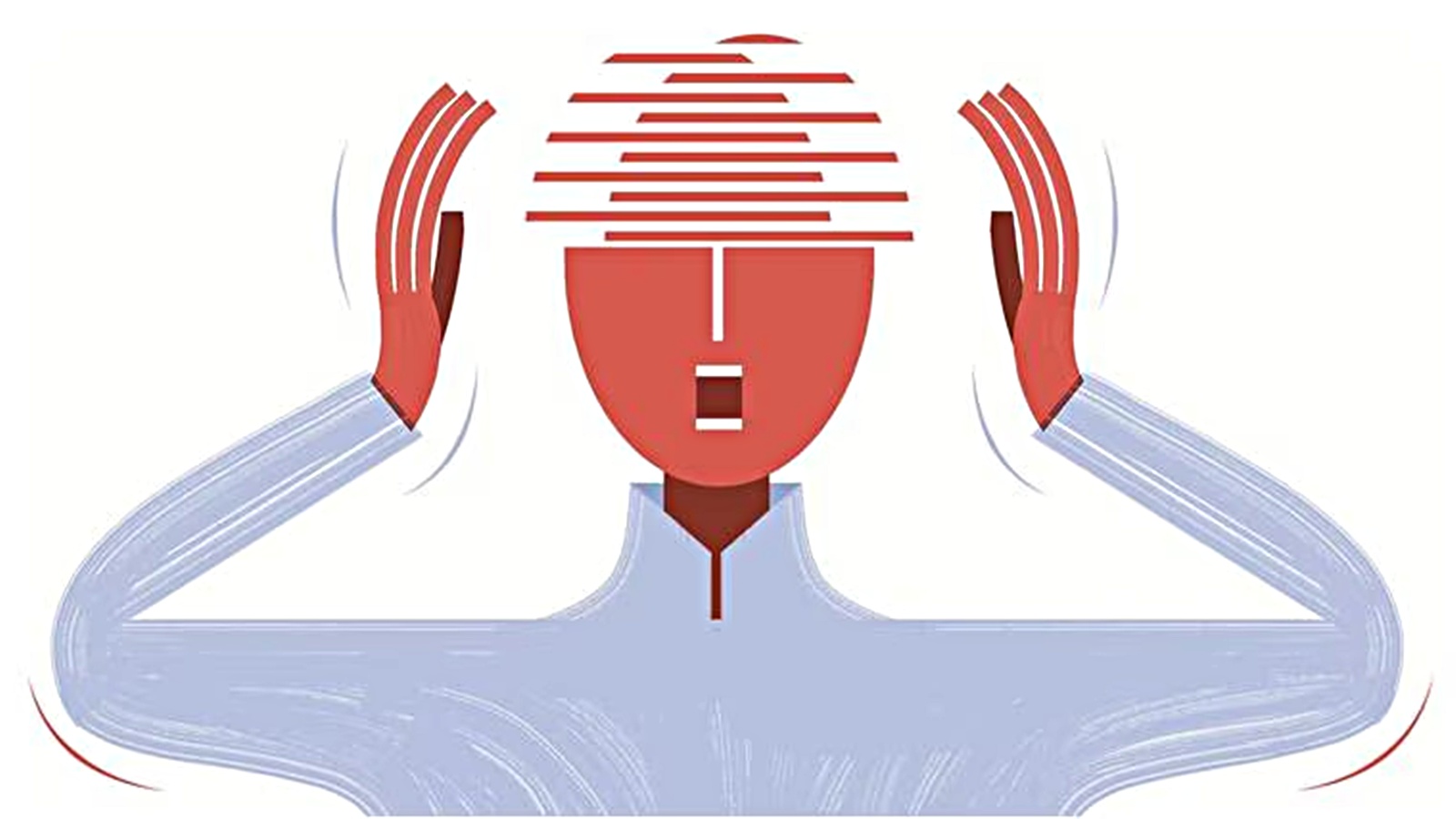
The actor RJ Mitte, best known for playing drug kingpin Walter White’s son on Breaking Bad, died by suicide recently. In reports on his death across print and TV news, the case was summarily dealt with in one line, with no information provided on the why and how. According to the WHO’s latest media guidelines for covering suicides, details on the method used, the location where it was committed or revealing the contents of a note falls under irresponsible reportage, not to be disclosed in a news story.
Perhaps it had to come to this. Smoking in movies carries the ominous tagline ‘smoking kills’. Alcohol advertisements are banned in India because youth exposed to those ads may engage in risky drinking. Mercifully, the violence in our favourite TV shows isn’t a public health issue yet, though they all carry content warnings. Watching White’s drug deals go violently wrong is far more frightening than a predictable two-column note on a farmer’s despair just before he ended his misery — we see that depressingly regularly.
Fans of Breaking Bad will remember White’s transformation from a meek chemistry teacher to the ruthless “Heisenberg”, the pseudonym a fitting ode to the physicist whose uncertainty principle says the presence of an observer changes the nature of the observed. Indeed, that revelation, that it is impossible to measure and calculate the impact of momentum, has now infiltrated everything. We live in highly sensitive times with strict protocols for what we’re allowed to ask, or can expect to know, about people’s motivations for suicides.
A journalist’s first duty is reporting the facts. In my opinion, fully, however macabre or upsetting they might be. As the old adage goes, better to be slapped by the truth than to be kissed by a lie. However, the oldest rule of journalism is giving way to a hypersensitivity crisis since the thinking goes, guarding people’s mental health matters more than facing reality (apparently, merely reading about a gunshot injury can evoke old wounds and be “re-traumatising” for someone with a history of abuse). God forbid a news story inadvertently provokes copycat suicides, so nowadays, journalists too have to ensure their content does no harm.
No one is suggesting that readers need a lurid Kill Bill-type of depiction of someone else’s despair. Stories of child abuse and sexual assault need to be handled with empathetic nuance, but that doesn’t have to mean skirting around relevant details because some people don’t have the stomach for it. Terrible things happen all the time and life goes on for the rest of us. As it should. It could be argued that shutting ourselves off from the tragedies befalling our brethren is cowardly and selfish, the implication being that it’s okay to engage with good news, but one must run a mile from anything negative. Actually, those who seek to see the world clearly struggle more because awareness is a bigger burden than dreamy illusions, which provide a false sense of solace.
It is worth noting, though, how far the world has pivoted into political correctness since 1983, when a copyeditor at the New York Post came up with the legendary headline, ‘Headless Body in Topless Bar’. Long considered one of the greatest lines of all time both for clarity and evoking some chuckles, today, a journalist wouldn’t dare attempt such vivid prose. In fact, referencing a decapitation so blithely in 2026 is likely to warrant the wrath of the online outrage mob (my PTSD!) and, almost certainly, a sacking.
We live in an era where even Romeo and Juliet is staged with a trigger warning (for revenge). Truly, that’s a woke tragedy, no pun intended. In Japan, teaching children about hell or using fear-based religious lessons to make a point is condemned as a form of psychological abuse. All us victims of our own solipsistic narratives, may please rise.
KioskNews shows a cleaned-up reading view extracted from the publisher’s page — the original always lives on their site, not ours.